Are you ready to stand out in your next interview? Understanding and preparing for Pancreatectomy interview questions is a game-changer. In this blog, we’ve compiled key questions and expert advice to help you showcase your skills with confidence and precision. Let’s get started on your journey to acing the interview.
Questions Asked in Pancreatectomy Interview
Q 1. Describe the different types of pancreatectomies and their indications.
Pancreatectomy refers to the surgical removal of all or part of the pancreas. The type of pancreatectomy performed depends entirely on the location and extent of the disease. Here are the main types:
- Distal Pancreatectomy: Removal of the tail and sometimes part of the body of the pancreas. Indicated for tumors confined to the distal pancreas, often benign or low-grade malignant.
- Subtotal Pancreatectomy: Removal of a larger portion of the pancreas, usually excluding the head. Used for more extensive tumors involving the body and tail, but sparing the head.
- Pancreaticoduodenectomy (Whipple procedure): The most extensive procedure, involving removal of the head of the pancreas, the duodenum, the gallbladder, and a portion of the bile duct and stomach. This is the standard treatment for most pancreatic cancers in the head of the pancreas.
- Total Pancreatectomy: Removal of the entire pancreas. Rarely performed, usually only for very extensive cancers or specific rare conditions. Requires lifelong enzyme and insulin replacement.
The choice of procedure is determined by the location and extent of the disease, the patient’s overall health, and the surgeon’s experience. Preoperative imaging such as CT scans and MRI are crucial in determining the optimal surgical strategy.
Q 2. Explain the surgical approach for a distal pancreatectomy.
A distal pancreatectomy is typically performed laparoscopically or open. The laparoscopic approach minimizes invasiveness. Here’s a simplified overview:
Laparoscopic Approach: Multiple small incisions are made. Specialized instruments and a camera are used to visualize the surgical field. The splenic artery and vein, splenic flexure of the colon, and the tail of the pancreas are dissected and transected. The pancreas is then divided at the neck of the pancreas using staplers or sutures. The spleen is usually removed along with the distal pancreas. The surgical site is then closed.
Open Approach: A larger incision is made in the abdomen, allowing direct access to the pancreas. The dissection and transection steps are similar, but more open, direct visualization and manipulation are possible.
Regardless of the approach, meticulous hemostasis (control of bleeding) is critical to prevent postoperative complications. The surgeon ensures proper closure of the pancreatic duct to minimize the risk of pancreatic leak. Post-op management includes pain control, close monitoring of pancreatic enzymes, and nutritional support.
Q 3. What are the key anatomical considerations during a pancreaticoduodenectomy (Whipple procedure)?
The Whipple procedure requires intricate knowledge of pancreaticobiliary anatomy. Key considerations include:
- Precise identification and preservation of the common bile duct, portal vein, and superior mesenteric vein: These structures are intimately related to the pancreas and duodenum. Damage can lead to catastrophic consequences.
- Careful dissection of the celiac axis and superior mesenteric artery: These vessels supply blood to the pancreas and surrounding organs. Maintaining their integrity is vital.
- Safe division of the pancreatic head and uncinate process: This step requires careful assessment to prevent bleeding and pancreatic duct injury.
- Reconstruction of the biliary-enteric and pancreaticojejunostomy anastomoses: This involves reconnecting the bile duct and pancreatic duct to the jejunum (a part of the small intestine). Leakage at these sites is a major complication. Techniques like using pancreaticojejunostomy stents are utilized to reduce this risk.
Thorough preoperative imaging and intraoperative navigation using ultrasound are often crucial in planning and executing a safe and successful Whipple procedure. Simulation and robotic assistance are also increasing in this procedure.
Q 4. Discuss the management of pancreatic fistula.
Pancreatic fistula is a dreaded complication following pancreatectomy, defined as leakage of pancreatic fluid from the surgical site. Management depends on the severity:
- Grade A Fistula (Minor): Usually asymptomatic or minimally symptomatic, often resolving spontaneously with conservative management involving regular monitoring of amylase levels, nutritional support, and supportive care.
- Grade B Fistula (Moderate): Requires more intensive management, such as drainage via percutaneous drainage catheters, close monitoring, nutritional support, and possibly antibiotics if infection is present.
- Grade C Fistula (Severe): Often associated with significant complications like sepsis and organ failure. Requires aggressive intervention, including endoscopic or surgical intervention, such as placement of stents, drain revisions, and nutritional support to combat sepsis and ensure proper nutrition and fluid balance.
Early identification and prompt management are key to minimizing morbidity and mortality. Prophylactic measures, such as using pancreatic duct stents during surgery, contribute significantly to fistula prevention.
Q 5. How do you manage bleeding during a pancreatectomy?
Bleeding during pancreatectomy is a major concern. Management involves a combination of:
- Meticulous surgical technique: Careful dissection with proper use of electrocautery, ligatures, and clips minimizes bleeding throughout the operation.
- Hemostatic agents: Substances like Surgicel or Gelfoam are used to control minor bleeding sites.
- Vascular clamps and sutures: Major bleeding vessels require immediate clamping and ligation using absorbable sutures.
- Angiography: If bleeding is severe or difficult to control during surgery, intraoperative angiography might be used to pinpoint and embolize the bleeding vessels.
- Postoperative monitoring: Close monitoring of vital signs and hematocrit levels is crucial in the postoperative period to detect delayed bleeding.
The surgeon’s experience and expertise in vascular surgery are vital in effective bleeding control during these complex procedures.
Q 6. What are the potential complications of a pancreatectomy?
Pancreatectomy carries a significant risk of complications, including:
- Pancreatic fistula:
- Bleeding:
- Infection:
- Delayed gastric emptying:
- Abdominal abscesses:
- Hepatic failure:
- Renal failure:
- Diabetes:
- Malnutrition:
- Mortality:
The risk profile varies depending on the type of pancreatectomy, the patient’s overall health, and the surgeon’s experience. Preoperative optimization and meticulous surgical techniques are employed to minimize these risks. Postoperative care plays a vital role in mitigating potential complications. Multidisciplinary management, including endocrinology, gastroenterology, critical care and nutrition support teams are critical in patient care and the management of potential complications.
Q 7. Describe your experience with minimally invasive pancreatectomy.
Minimally invasive pancreatectomy (MIP), including laparoscopic and robotic approaches, has become increasingly common. My experience demonstrates its advantages in reducing postoperative pain, hospital stay, and complications compared to open surgery. While the learning curve is steeper and technical expertise is crucial, the benefits for suitable candidates are substantial. For example, I’ve personally seen a marked reduction in postoperative ileus and decreased need for postoperative narcotics in patients undergoing laparoscopic distal pancreatectomies. However, conversion to open surgery remains a possibility, particularly in cases of unforeseen difficulties during the procedure, such as unexpected vascular anomalies or difficult tumor dissection.
Careful patient selection remains paramount. Cases with significant inflammation, large tumors, or extensive vascular involvement may be less suitable candidates for MIP. Further research and technological advancements will continue to refine the techniques and expand the applicability of minimally invasive approaches in pancreatectomy.
Q 8. How do you assess the resectability of a pancreatic tumor pre-operatively?
Assessing the resectability of a pancreatic tumor pre-operatively is crucial for determining the suitability of surgery. It’s a multi-faceted process involving a thorough review of the patient’s medical history, physical examination, and advanced imaging. We look for evidence of local invasion into critical structures, distant metastases, and the overall health of the patient to withstand the surgery. Think of it like checking the structural integrity of a building before demolition – you need to assess its foundations (major blood vessels, bile duct), supporting structures (adjacent organs), and the extent of damage (tumor size and spread) before deciding if it can be safely demolished (resected).
Specifically, we assess:
- Tumor size and location: Larger tumors or those involving major vessels like the superior mesenteric artery or portal vein are often unresectable. The location within the pancreas itself dictates the type of surgery that might be feasible.
- Lymph node involvement: Extensive lymph node metastases suggest widespread disease, rendering the tumor unresectable.
- Vascular involvement: Encasement or invasion of major blood vessels severely limits resectability. We use imaging to carefully assess the relationship between the tumor and these vessels.
- Local invasion: Invasion into adjacent organs such as the duodenum, stomach, colon, or liver usually makes complete resection impossible.
- Distant metastases: Evidence of distant spread (e.g., liver metastases) on imaging studies excludes surgical resection.
- Patient’s overall health: Patients must be fit enough to tolerate a major operation like a pancreatectomy. We assess their cardiac, pulmonary, and renal function.
This comprehensive assessment allows us to determine whether the tumor is resectable, borderline resectable, or unresectable, guiding us towards the most appropriate treatment plan.
Q 9. What imaging modalities are essential in planning a pancreatectomy?
Imaging plays a pivotal role in planning a pancreatectomy. It helps us precisely delineate the tumor’s extent, assess its relationship with vital structures, and identify potential complications. We utilize a combination of modalities for a comprehensive evaluation.
- Multiphasic CT scan: This is our workhorse. It provides detailed anatomical information about the pancreas, tumor size, location, and its relationship with surrounding vessels and organs. The multiphasic approach (arterial, portal venous, and delayed phases) enhances visualization of vascular involvement.
- Magnetic Resonance Imaging (MRI): MRI, particularly with MRCP (Magnetic Resonance Cholangiopancreatography), offers superior soft tissue contrast and detailed visualization of the biliary and pancreatic ducts. This helps in assessing ductal involvement and planning for biliary reconstruction.
- Endoscopic Ultrasound (EUS): EUS provides high-resolution images, allowing precise assessment of the tumor’s depth of invasion and involvement of adjacent structures. It’s especially valuable for characterizing small tumors or those close to major vessels.
- Positron Emission Tomography (PET) scan: A PET scan helps to detect distant metastases, a critical factor in determining resectability. It identifies areas of high metabolic activity, indicative of tumor presence.
The combined use of these modalities creates a detailed roadmap for the surgery, minimizing surgical complications and maximizing the chances of a successful outcome. We often have multidisciplinary conferences where radiologists, surgeons, oncologists and gastroenterologists come together to review the imaging and decide upon the best treatment strategy.
Q 10. Explain your approach to postoperative pain management in pancreatectomy patients.
Postoperative pain management after a pancreatectomy is a critical aspect of patient care, as these patients experience significant pain due to the extensive surgical procedure and the manipulation of sensitive structures. We utilize a multimodal approach, combining different analgesic modalities to optimize pain relief and minimize side effects.
- Analgesic ladder: We start with non-opioid analgesics (e.g., acetaminophen) and gradually add opioid analgesics (e.g., morphine or hydromorphone) as needed. This tiered approach allows for effective pain control while minimizing the risk of opioid-related complications.
- Regional anesthesia techniques: Epidural or paravertebral blocks can provide excellent analgesia by targeting nerve pathways. These are often used in conjunction with systemic analgesics.
- Patient-controlled analgesia (PCA): PCA pumps empower patients to control their pain medication administration, providing a sense of empowerment and potentially reducing pain scores.
- Early mobilization: Encouraging early mobilization can minimize the risk of complications, such as pneumonia and ileus, and improve pain control.
- Regular assessment and titration: Close monitoring of pain levels and adjusting medication doses accordingly is crucial. We use validated pain scales to assess the patient’s experience and adjust treatment plans as needed.
Our goal is to achieve adequate pain control while minimizing side effects, ensuring patients can recover comfortably and efficiently. We take into account the patient’s individual needs and risk factors, tailoring the pain management plan accordingly. For example, patients with a history of substance abuse would require a tailored approach to prevent issues related to opioid addiction.
Q 11. How do you manage pancreatic pseudocysts?
Pancreatic pseudocysts are fluid-filled collections that form after pancreatitis or other pancreatic injuries. Management depends on the size, symptoms, and presence of complications. Asymptomatic, small pseudocysts (<3cm) often resolve spontaneously and require only observation with serial imaging.
Larger or symptomatic pseudocysts may require intervention. The options include:
- Endoscopic drainage: This minimally invasive procedure involves placing a stent into the pseudocyst to drain the fluid. It’s often the preferred method for accessible pseudocysts.
- Surgical drainage: If endoscopic drainage fails or isn’t feasible, surgical cystogastrostomy or cystjejunostomy is an option. This involves surgically creating a connection between the cyst and the stomach or jejunum to allow for drainage.
- Percutaneous drainage: This involves placing a drain directly into the pseudocyst under imaging guidance. It’s generally used as a temporary measure or for inaccessible cysts.
The choice of treatment depends on several factors, including the size and location of the pseudocyst, the presence of complications (infection, bleeding), and the patient’s overall health. We weigh the risks and benefits of each intervention carefully to select the most appropriate approach for each individual patient. For instance, a patient with a large, infected pseudocyst will require urgent surgical intervention, whereas a smaller, asymptomatic one can be managed conservatively.
Q 12. Describe your experience with neoadjuvant therapy in pancreatic cancer.
Neoadjuvant therapy, consisting of chemotherapy and/or radiation, is increasingly used in locally advanced pancreatic cancer before surgery. The goal is to shrink the tumor, making it potentially resectable, and to eliminate microscopic disease that might be present outside the main tumor mass. Think of it like softening the ground before excavation – it makes the ‘excavation’ (surgical resection) easier and potentially safer.
My experience shows that neoadjuvant therapy can improve surgical outcomes. Patients who respond well to neoadjuvant treatment might achieve better resection rates, improved survival, and potentially reduced recurrence rates. However, it’s not suitable for all patients. We carefully select patients who are likely to benefit from neoadjuvant therapy based on factors such as tumor biology, overall health, and performance status. We use imaging to carefully assess tumor response to treatment before proceeding with surgery. It also allows us to evaluate whether the surgery will be potentially more feasible after the neoadjuvant therapy.
The selection of the optimal neoadjuvant regimen remains an area of active research, with ongoing clinical trials comparing different combinations of chemotherapy and radiation. We continually stay up-to-date with the latest advancements in this field to provide our patients with the most effective treatments available.
Q 13. Discuss the role of adjuvant therapy after a pancreatectomy.
Adjuvant therapy after a pancreatectomy plays a vital role in improving long-term survival rates for pancreatic cancer patients. It aims to eliminate any remaining microscopic cancer cells that might have spread beyond the resected area. This approach is similar to weeding a garden after harvesting – you need to remove any lingering weeds (cancer cells) to prevent future growth.
The standard adjuvant therapy regimen typically involves gemcitabine-based chemotherapy. The duration and specific regimen depend on various factors including the patient’s overall health, the tumor’s characteristics (e.g., grade, stage), and the surgical margins. We also take into account any patient-specific comorbidities and preferences in developing the post-operative treatment plan.
Clinical trials are exploring various adjuvant therapies including newer chemotherapeutic agents, targeted therapies, and immunotherapy. Participation in these trials might provide patients with access to innovative treatment approaches and contribute to advancements in pancreatic cancer care. Close monitoring of the patient’s overall health post-surgery and during adjuvant therapy is crucial. Regular blood tests, imaging studies, and follow-up consultations allow early detection and management of any potential complications or recurrence.
Q 14. What are the criteria for surgical resection of pancreatic cancer?
The criteria for surgical resection of pancreatic cancer are stringent. The goal is to achieve R0 resection, meaning complete removal of the tumor with negative microscopic margins. This maximizes the chances of long-term survival and reduces the risk of recurrence. The decision-making process involves careful consideration of several factors:
- Resectability: The tumor must be technically resectable, meaning it can be completely removed without compromising vital structures such as major blood vessels or bile ducts. This is assessed through detailed imaging studies and potentially intraoperative exploration.
- Macroscopic completeness: The surgeon must be confident in achieving complete macroscopic resection of the tumor. This means removing all visible tumor tissue.
- Microscopic completeness (R0 resection): Pathologic examination after surgery must confirm that the microscopic margins are clear of cancer cells (R0 resection).
- Patient fitness: The patient must be medically fit to tolerate the rigorous demands of pancreatic surgery, including potential complications.
- Absence of distant metastases: Evidence of distant metastases (e.g., liver metastases) excludes surgical resection.
When all these criteria are met, surgical resection offers the best chance for long-term survival. Borderline resectable or unresectable cancers might require neoadjuvant therapy or other approaches, such as palliative care, depending on the patient’s overall condition and prognosis. The decision-making process usually involves a multidisciplinary team of surgeons, oncologists, radiologists, and gastroenterologists to optimize patient care.
Q 15. How do you assess the margins of resection during a pancreatectomy?
Assessing surgical margins during a pancreatectomy is crucial to determine the completeness of tumor resection and predict recurrence. We meticulously examine the resected specimen, paying close attention to the inked margins. This involves a macroscopic assessment followed by microscopic examination of the inked sections.
Macroscopic Assessment: We visually inspect the cut surfaces of the pancreas, noting any suspicious areas extending to the margins. We carefully examine the resection lines of the pancreas, common bile duct, portal vein, superior mesenteric vein, and any other involved structures. Ink is used to mark the resection margins before the specimen is sent to pathology.
Microscopic Assessment: Pathology then performs a detailed microscopic examination of the inked margins. The presence of cancer cells at the edge of the resection is considered a positive margin, indicating incomplete resection and a higher risk of recurrence. A negative margin means no cancer cells were found at the edge, suggesting complete resection.
For example, if we suspect involvement of the superior mesenteric vein, a wider resection margin is taken to ensure negative microscopic margins, even if it means sacrificing a portion of healthy vein. This careful margin assessment directly impacts the patient’s prognosis and future treatment plan.
Career Expert Tips:
- Ace those interviews! Prepare effectively by reviewing the Top 50 Most Common Interview Questions on ResumeGemini.
- Navigate your job search with confidence! Explore a wide range of Career Tips on ResumeGemini. Learn about common challenges and recommendations to overcome them.
- Craft the perfect resume! Master the Art of Resume Writing with ResumeGemini’s guide. Showcase your unique qualifications and achievements effectively.
- Don’t miss out on holiday savings! Build your dream resume with ResumeGemini’s ATS optimized templates.
Q 16. What are the common causes of mortality following pancreatectomy?
Mortality after pancreatectomy, while thankfully decreasing with advances in surgical technique and perioperative care, remains a significant concern. The leading causes are typically related to postoperative complications.
- Pancreatic fistula: Leakage of pancreatic fluid from the surgical site is a major source of morbidity and mortality, leading to sepsis, prolonged hospital stay and potentially multi-organ failure.
- Infection: Surgical site infections, pneumonia, and intra-abdominal abscesses are serious complications that can prove fatal.
- Bleeding: Significant hemorrhage, either from the surgical site or from other sources can lead to hypovolemic shock and death.
- Organ failure: Multiple organ dysfunction syndrome (MODS), often stemming from sepsis or other complications, significantly increases mortality risk.
- Cardiovascular complications: Postoperative cardiac events, including arrhythmias and myocardial infarction, are a concern, especially in patients with pre-existing heart disease.
- Deep vein thrombosis (DVT) and pulmonary embolism (PE): These thromboembolic events are major concerns in post-surgical patients, particularly given the reduced mobility following pancreatectomy.
Minimizing these risks requires meticulous surgical technique, aggressive perioperative care, and close monitoring of the patient’s hemodynamic status, nutritional status, and organ function.
Q 17. How do you manage a pancreatic leak post-pancreatectomy?
Management of a pancreatic fistula post-pancreatectomy is a complex and challenging aspect of surgical care. Early detection is crucial. We typically use a combination of strategies, tailored to the severity of the leak.
- Conservative Management: For small, low-output fistulas, conservative management may be sufficient. This includes close monitoring of the patient’s clinical status, serum amylase and lipase levels, nutritional support, and supportive care. Regular imaging studies are often required to track the leak.
- Drainage: Larger fistulas often require drainage, using techniques such as percutaneous drainage or placement of drains during the initial surgery. This reduces the accumulation of pancreatic fluid and decreases the risk of infection.
- Surgical Intervention: If conservative and drainage methods fail to resolve the fistula, surgical intervention may be necessary. This could involve revision of the anastomosis, debridement of infected tissue, or other procedures tailored to the specific situation.
- Nutritional Support: Enteral nutrition is usually temporarily stopped, and parenteral nutrition is provided. This reduces the pancreatic output and provides nutritional support.
Each case is unique, and the treatment plan must be individualized based on factors such as the size and location of the leak, the patient’s overall health, and response to initial management strategies.
Q 18. Describe your approach to nutritional support in pancreatectomy patients.
Nutritional support in pancreatectomy patients is paramount, given the significant impact of the procedure on the digestive system. Preoperative nutritional optimization is crucial. Postoperatively, the approach is often multi-faceted.
- Preoperative Optimization: Patients often undergo preoperative nutritional assessment to address any nutritional deficiencies. This may involve dietary counseling, nutritional supplements, or even parenteral nutrition if needed. The goal is to optimize the patient’s nutritional status before surgery to improve outcomes.
- Postoperative Approach: The initial focus is often on bowel rest, achieved using intravenous fluids and parenteral nutrition. Once bowel function returns, we gradually introduce enteral nutrition, often through a nasojejunal tube, bypassing the potentially compromised duodenum. As tolerance improves, patients transition to a soft, easily digestible diet. The goal is to maintain adequate caloric and protein intake while avoiding excessive stimulation of the pancreaticobiliary system.
- Monitoring: Close monitoring of weight, serum albumin levels, and nutrient intake is essential to ensure the effectiveness of the nutritional support.
Nutritional support is tailored to the individual needs of the patient, considering factors such as the extent of the resection, the presence of complications, and the patient’s overall health. Nutritional deficiencies can increase the risk of complications, prolong recovery, and negatively impact long-term outcomes.
Q 19. What are the different techniques for pancreatic anastomosis?
Several techniques exist for pancreatic anastomosis, each with its own advantages and disadvantages. The choice depends on various factors, including the surgeon’s experience, the type of pancreatectomy performed, and the patient’s overall condition.
- End-to-side pancreaticojejunostomy: This is a common technique where the cut end of the pancreatic duct is anastomosed to the side of the jejunum. It’s relatively straightforward but may be associated with a higher risk of leaks.
- End-to-end pancreaticojejunostomy: In this method, the pancreatic duct is sutured directly to the end of the jejunum. It can be technically challenging but may offer some advantages in certain situations.
- Pancreaticojejunostomy with duct-to-mucosa anastomosis: This is used to reduce the risk of leak and involves a precise suturing technique to ensure airtight closure.
- Roux-en-Y pancreaticojejunostomy: This technique uses a Roux-en-Y loop of the jejunum, diverting pancreatic secretions away from the primary anastomosis site, reducing the risk of complications.
The specific technique selected is often influenced by the surgeon’s experience and the characteristics of the individual case. It’s important to note that meticulous surgical technique and careful handling of the pancreatic tissues are essential regardless of the chosen anastomosis technique to minimize the risk of complications.
Q 20. Discuss the advantages and disadvantages of robotic-assisted pancreatectomy.
Robotic-assisted pancreatectomy (RAP) has emerged as an alternative approach to open pancreatectomy, offering potential advantages and disadvantages.
Advantages:
- Enhanced Visualization: The magnified, high-definition 3D vision provided by the robotic system allows for better visualization of the delicate pancreatic anatomy, facilitating precise dissection and minimizing injury to surrounding structures.
- Improved Dexterity and Precision: The robotic arms offer increased dexterity and precision compared to traditional laparoscopic instruments, enabling complex maneuvers in a confined surgical space.
- Minimally Invasive Approach: RAP is a minimally invasive procedure, leading to smaller incisions, reduced pain, shorter hospital stays, and faster recovery times compared to open surgery.
Disadvantages:
- Steeper Learning Curve: The use of robotics requires specialized training and a longer learning curve for surgeons compared to open or standard laparoscopic procedures.
- Cost: RAP is more expensive than open or standard laparoscopic surgery because of the specialized equipment and operating room setup.
- Potential for Technical Challenges: In complex cases with significant tumor involvement, or in cases with difficult anatomy, robotic assistance may not always be advantageous.
Ultimately, the decision to use RAP versus open or laparoscopic pancreatectomy is made on a case-by-case basis, considering the patient’s specific characteristics, tumor location and extent, surgeon’s expertise, and the availability of robotic surgery facilities.
Q 21. What are the key elements of perioperative care in pancreatectomy?
Perioperative care in pancreatectomy is critical for optimal patient outcomes. It involves a multidisciplinary approach that begins before surgery and continues well into the postoperative period.
- Preoperative Optimization: This includes careful patient selection, thorough preoperative assessment to identify and manage comorbidities (diabetes, cardiovascular disease, etc.), nutritional optimization, and psychological preparation.
- Intraoperative Management: This focuses on meticulous surgical technique, minimizing bleeding and trauma, and selecting the appropriate surgical approach. Careful attention is given to achieving negative surgical margins and maintaining homeostasis.
- Postoperative Care: This includes aggressive pain management, close monitoring of vital signs, and early detection and management of complications (pancreatic fistula, infection, bleeding, etc.). Postoperative nutritional support, early mobilization, and multidisciplinary assessment by surgeons, gastroenterologists, and other specialists are crucial. Pain management strategies must be proactive to minimize the patient’s suffering and promote early ambulation.
- Ongoing Monitoring: Even after discharge, ongoing monitoring is essential. Regular follow-up appointments, imaging studies, and tumor marker surveillance are critical for early detection of recurrence or complications.
A multidisciplinary team approach involving surgeons, gastroenterologists, oncologists, anesthesiologists, nurses, and dietitians, etc. is vital for optimal perioperative management of patients undergoing pancreatectomy.
Q 22. How do you monitor patients post-pancreatectomy for complications?
Post-pancreatectomy monitoring is crucial for early detection and management of life-threatening complications. We utilize a multi-faceted approach, beginning in the immediate postoperative period and continuing through outpatient follow-up.
- Intensive Care Unit (ICU) Monitoring: In the immediate post-operative period, patients are closely monitored in the ICU for vital signs, including heart rate, blood pressure, respiratory rate, oxygen saturation, and temperature. We meticulously track fluid balance, urine output, and electrolyte levels, as these are vital indicators of pancreatic fistula formation or other complications. We also closely monitor for signs of infection.
- Pancreatic Fistula Detection: We regularly check amylase levels in drains and serum amylase levels to detect pancreatic fistula, a common and potentially serious complication. Abdominal CT scans may be used for confirmation. Management depends on the severity; some fistulas resolve spontaneously while others require intervention such as endoscopic drainage or surgical revision.
- Gastrointestinal Issues: Postoperative ileus (paralysis of the bowel) and delayed gastric emptying are monitored with regular abdominal examinations and assessments of bowel sounds. Nausea, vomiting, and abdominal distension are carefully managed with appropriate medications and supportive care. Nutritional support may be necessary.
- Hemorrhage and Infection: We vigilantly monitor for signs of internal bleeding (hematoma formation) and infection (fever, leukocytosis, wound drainage). Blood counts, inflammatory markers (CRP, WBC), and imaging studies (CT scans) are used to detect these complications promptly.
- Long-Term Follow-up: Post-discharge, patients are monitored for pancreatic insufficiency (diabetes, malabsorption), recurrent disease, and other long-term complications. Regular blood work, imaging studies, and follow-up appointments are crucial.
This comprehensive approach ensures prompt identification and management of complications, ultimately improving patient outcomes and survival.
Q 23. What are the challenges in performing pancreatectomy in patients with severe comorbidities?
Performing pancreatectomy in patients with severe comorbidities presents significant challenges. These patients often have reduced physiological reserve, making them more vulnerable to complications.
- Increased Operative Risk: Comorbidities such as cardiovascular disease, chronic obstructive pulmonary disease (COPD), diabetes, and renal insufficiency increase the risk of perioperative complications, including cardiac events, respiratory failure, infections, and delayed wound healing. Preoperative optimization is therefore critical and may involve consultation with cardiology, pulmonology, and other specialists.
- Surgical Technique Modification: The surgical approach may need to be tailored to the patient’s specific comorbidities. For instance, a minimally invasive approach (laparoscopic or robotic) might be considered to reduce trauma and the overall risk, though not always feasible. The extent of resection might also be limited if the patient’s overall health warrants it.
- Enhanced Postoperative Care: Postoperative management needs to be even more rigorous. Close monitoring, aggressive supportive care, and prompt intervention are paramount to prevent complications and improve survival. This may include more frequent monitoring, longer ICU stays, and the use of advanced respiratory support.
- Difficult Decision-Making: The decision of whether or not to proceed with surgery in patients with significant comorbidities is complex and involves careful consideration of the risks and benefits. Shared decision-making with the patient and their family is crucial. The potential benefits of surgery must be carefully weighed against the risks, particularly for those with limited life expectancy due to their comorbidities.
Careful patient selection, meticulous preoperative planning, and a highly experienced surgical team are essential for mitigating the challenges associated with pancreatectomy in high-risk patients.
Q 24. Discuss your experience with pancreatic cancer in specific patient populations (e.g., elderly, obese).
Pancreatic cancer presents unique challenges in specific patient populations.
- Elderly Patients: Elderly patients often have multiple comorbidities, making them high-risk for pancreatectomy. The decision to operate requires a careful assessment of their overall health and functional status. Less extensive procedures, such as distal pancreatectomy, may be preferred to minimize surgical morbidity. Palliative care considerations often take precedence.
- Obese Patients: Obesity increases the technical difficulty of pancreatectomy, due to anatomical distortion and increased risk of surgical site infections. Minimally invasive techniques may be advantageous, though conversion to open surgery is sometimes necessary. Careful perioperative management is essential, including meticulous attention to blood sugar control and prevention of venous thromboembolism (VTE).
In both these populations, careful multidisciplinary assessment, including input from surgeons, oncologists, anesthesiologists, and geriatricians (for the elderly), is critical to personalize the treatment plan. The focus may shift towards maximizing quality of life rather than solely pursuing aggressive curative surgery. Palliative care plays a significant role in the management of these patients.
Q 25. What advancements in pancreatectomy techniques have you utilized?
Significant advancements in pancreatectomy techniques have improved outcomes. I have integrated several into my practice:
- Minimally Invasive Techniques (Laparoscopic and Robotic): These techniques offer several advantages, including smaller incisions, reduced pain, faster recovery times, and decreased hospital stays. While not suitable for all patients, they are increasingly utilized when feasible.
- Improved Intraoperative Imaging: Intraoperative ultrasound (IOUS) and near-infrared fluorescence (NIRF) imaging allow for better visualization of the pancreatic tumor and surrounding vasculature, leading to more precise resection and reduced risk of injury to vital structures.
- Enhanced Surgical Instruments: The development of advanced surgical instruments, including specialized staplers and energy devices, improves precision and reduces the risk of complications.
- Total Pancreaticoduodenectomy (Whipple Procedure) Modifications: Variations of the Whipple procedure, such as the pylorus-preserving Whipple, reduce post-operative complications such as pyloric stenosis.
Adopting these advancements requires ongoing training and a commitment to staying at the forefront of surgical innovation. The goal is to constantly strive for safer and less invasive procedures with improved patient outcomes.
Q 26. Explain your understanding of the latest research on pancreatic cancer.
Research in pancreatic cancer is constantly evolving, focusing on several key areas:
- Targeted Therapies: Research continues to identify specific molecular targets within pancreatic cancer cells, leading to the development of targeted therapies that can selectively kill cancer cells while sparing healthy cells. These therapies show promise in improving treatment responses and survival.
- Immunotherapy: Immunotherapy aims to harness the power of the patient’s own immune system to fight cancer. Several immunotherapeutic approaches are being investigated, showing early signs of success in combination with chemotherapy.
- Neoadjuvant Therapy: Giving chemotherapy or radiation therapy before surgery (neoadjuvant therapy) has shown to improve outcomes in some patients by shrinking the tumor and making surgery easier and safer.
- Early Detection: Research is focusing on developing improved screening methods to detect pancreatic cancer earlier, when it is more treatable. This involves developing better imaging techniques and identifying potential biomarkers.
- Personalized Medicine: A deeper understanding of the genomic and molecular heterogeneity of pancreatic cancer is guiding the development of personalized treatment strategies, tailoring treatment to the specific characteristics of an individual’s tumor.
These ongoing research efforts hold promise for significant improvements in the prevention, diagnosis, and treatment of pancreatic cancer in the coming years.
Q 27. Describe a challenging case involving a pancreatectomy and how you managed it.
One particularly challenging case involved a 68-year-old patient with a large pancreatic head tumor invading the superior mesenteric vein (SMV). This is a complex scenario as the SMV is a major blood vessel that requires meticulous dissection.
The challenge lay in safely removing the tumor without compromising the blood supply to the intestines. Traditional resection would have required sacrificing a significant portion of the SMV, potentially causing intestinal ischemia and necrosis.
We utilized a technique involving partial SMV resection with reconstruction using a venous graft from the patient’s leg. This allowed us to remove the tumor while preserving the patency of the SMV. The procedure was technically demanding and required careful planning and precise execution. Post-operatively, the patient experienced some expected complications, but these were managed successfully, and she ultimately recovered well, demonstrating the benefits of careful surgical planning and execution of complex techniques.
Q 28. How do you prioritize patient safety during a pancreatectomy?
Prioritizing patient safety during pancreatectomy is paramount. Our approach incorporates multiple strategies:
- Preoperative Assessment: A thorough preoperative evaluation, including cardiac and pulmonary assessments, is critical to identify and manage potential risks. Patients are optimized for surgery before proceeding.
- Minimally Invasive Techniques When Appropriate: When feasible, we utilize minimally invasive approaches to reduce surgical trauma and accelerate recovery.
- Careful Surgical Technique: Meticulous dissection and meticulous attention to detail during the procedure minimize the risk of complications such as bleeding, injury to surrounding organs, and pancreatic fistula.
- Intraoperative Monitoring: Close monitoring of vital signs, blood loss, and fluid balance is essential throughout the surgery.
- Postoperative Care: Careful postoperative monitoring for complications, including pancreatic fistula, infection, and bleeding, and prompt management of these complications are critical.
- Multidisciplinary Approach: Collaboration with anesthesiologists, intensivists, gastroenterologists, and other specialists provides a comprehensive approach to patient care, ensuring the best possible outcome.
Patient safety is not merely a checklist but a fundamental principle that guides every aspect of our approach, from preoperative planning to long-term follow-up.
Key Topics to Learn for Pancreatectomy Interview
- Surgical Techniques: Distinguishing between different pancreatectomy approaches (distal, pancreaticoduodenectomy (Whipple), total), including indications, contraindications, and potential complications for each.
- Anatomy and Physiology: Deep understanding of pancreatic anatomy, including vasculature, biliary system, and surrounding structures. Thorough knowledge of pancreatic function and its impact on the body.
- Pre-operative Assessment and Planning: Evaluating patient suitability for pancreatectomy, including imaging interpretation (CT, MRI, EUS), laboratory tests, and multidisciplinary team collaboration.
- Intraoperative Management: Detailed knowledge of surgical steps, including techniques for vascular control, biliary reconstruction, and pancreaticogastrostomy/pancreaticojejunostomy.
- Post-operative Care and Complications: Managing potential complications like pancreatic fistula, bleeding, infection, and diabetes. Understanding post-operative monitoring strategies and recovery pathways.
- Neoadjuvant and Adjuvant Therapy: Familiarity with the role of chemotherapy, radiation therapy, and targeted therapy in the management of pancreatic cancer, both before and after surgery.
- Minimally Invasive Techniques: Understanding the application and advantages of laparoscopic and robotic-assisted pancreatectomy.
- Long-Term Outcomes and Follow-up: Knowledge of long-term survival rates, recurrence patterns, and the importance of regular surveillance.
- Ethical and Legal Considerations: Understanding informed consent, decision-making in complex cases, and managing patient expectations.
Next Steps
Mastering the intricacies of pancreatectomy significantly enhances your career prospects in surgical oncology and related fields. A strong understanding of this complex procedure demonstrates advanced surgical skills and comprehensive medical knowledge, making you a highly competitive candidate. To further boost your job applications, crafting an ATS-friendly resume is crucial. ResumeGemini is a trusted resource that can help you build a professional resume that highlights your unique skills and experience. Examples of resumes tailored to Pancreatectomy are available through ResumeGemini to help guide your resume development.
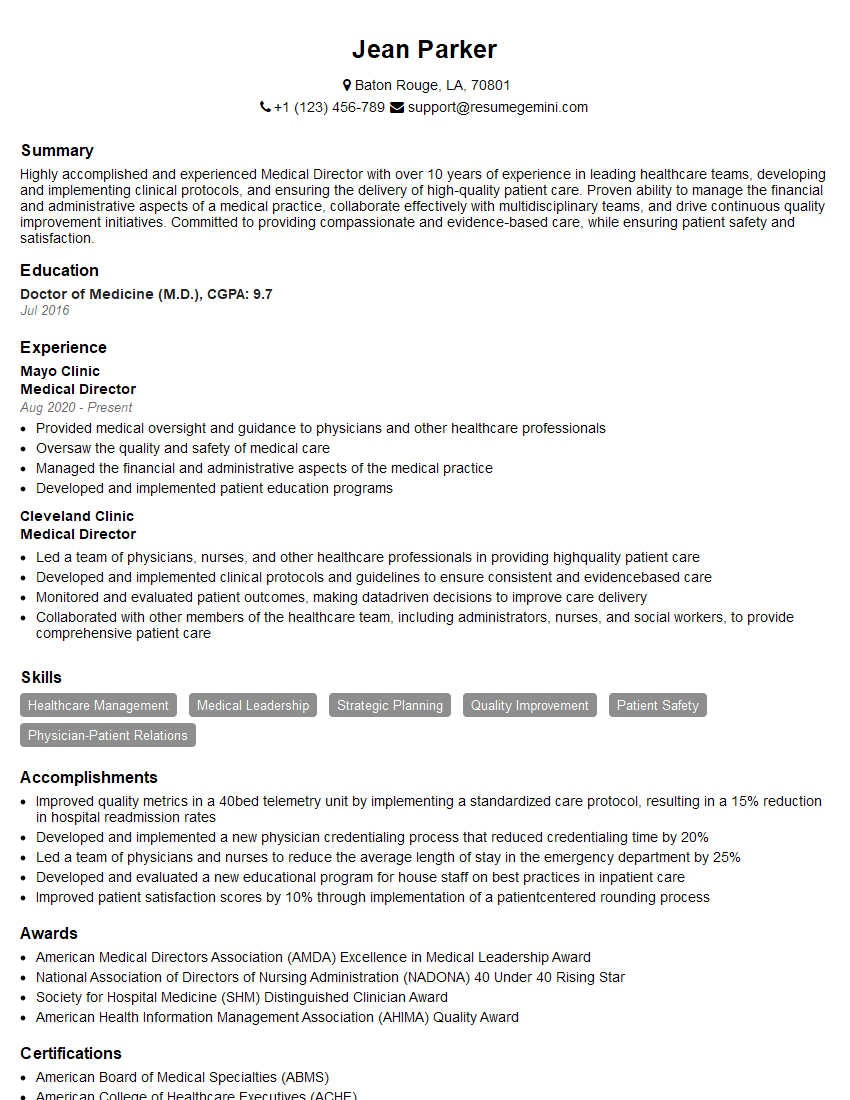
Medical Director Resume Sample
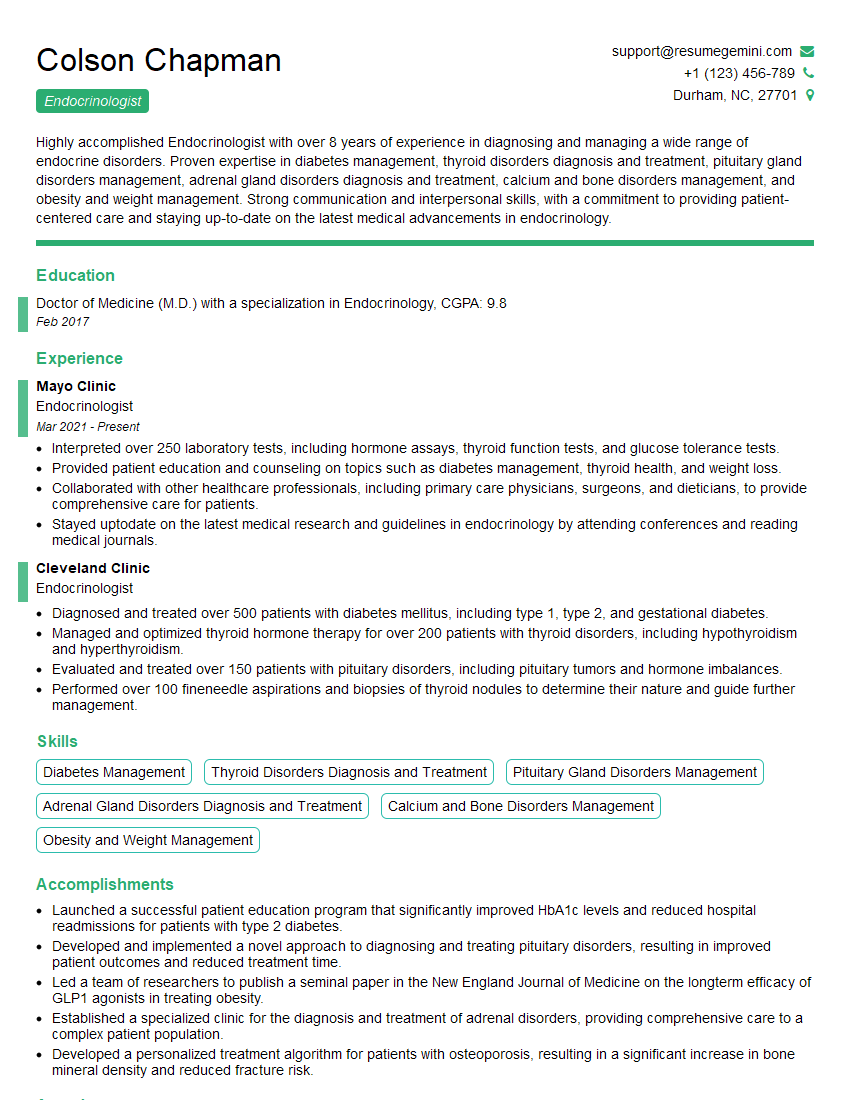
Endocrinologist Resume Sample

Associate Professor of Surgery Resume Sample
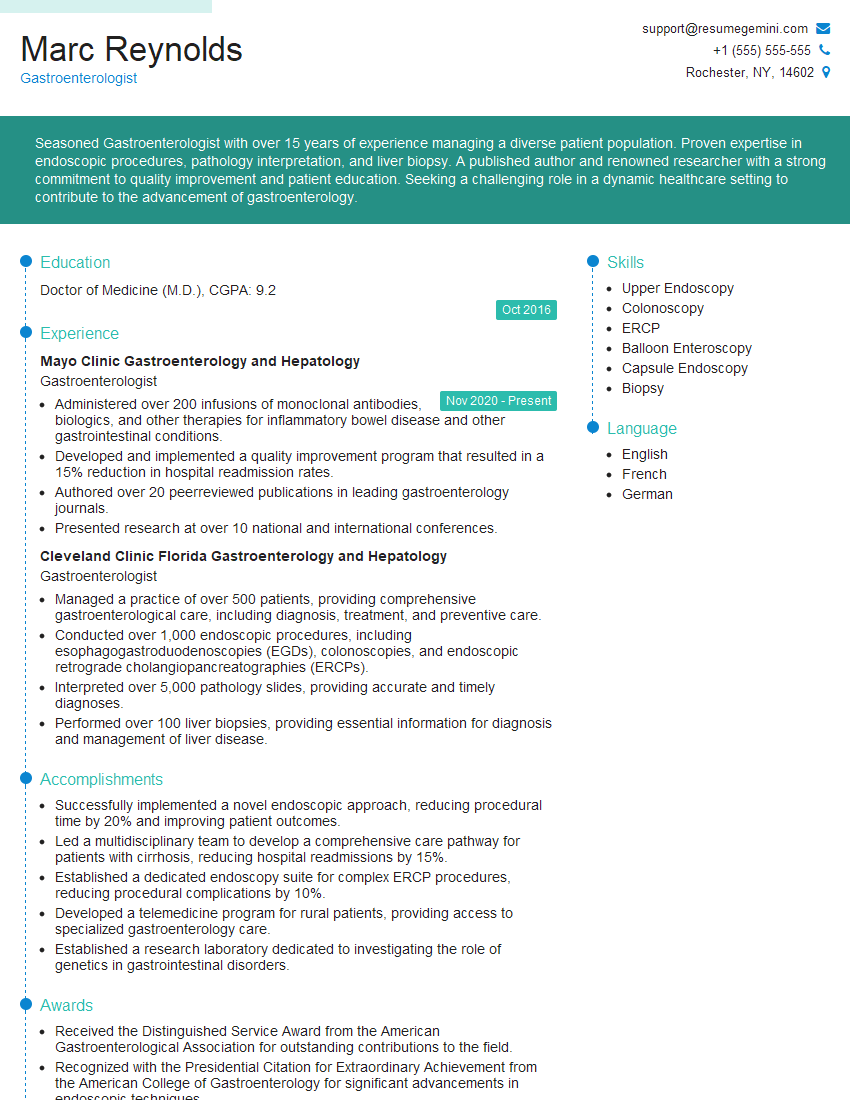
Gastroenterologist Resume Sample
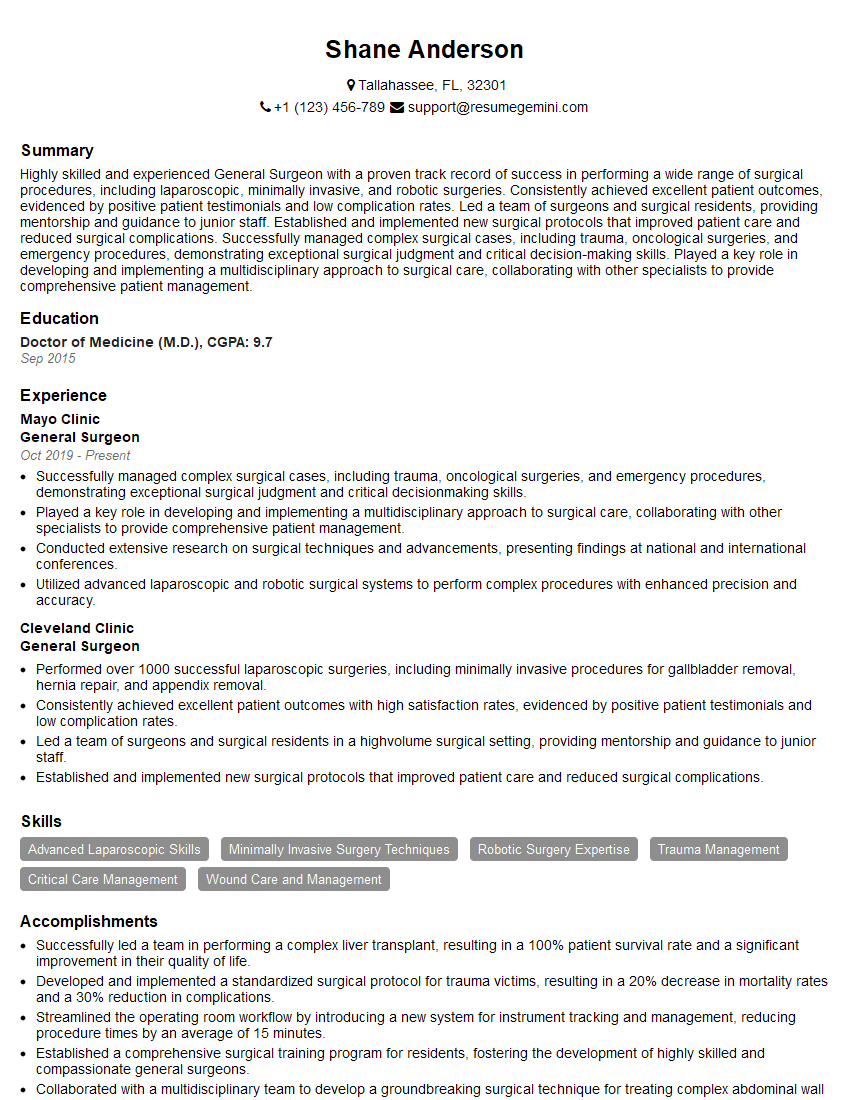
General Surgeon Resume Sample
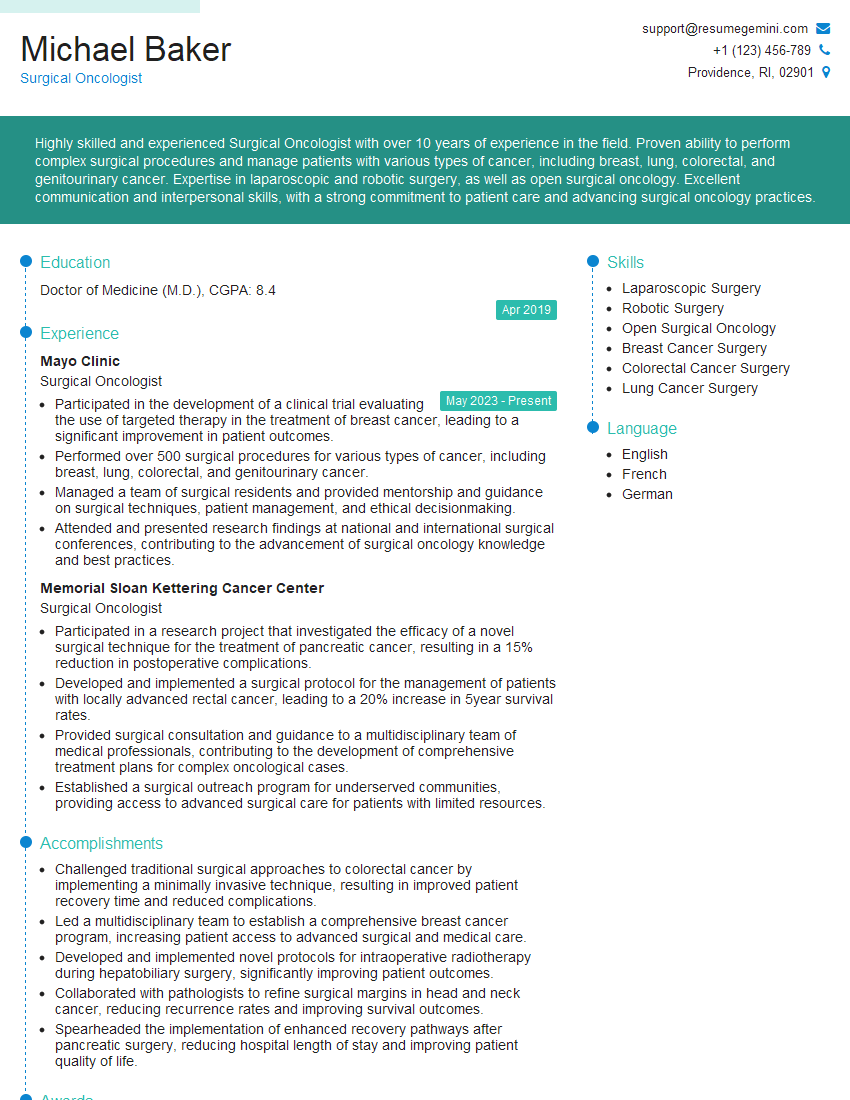
Surgical Oncologist Resume Sample
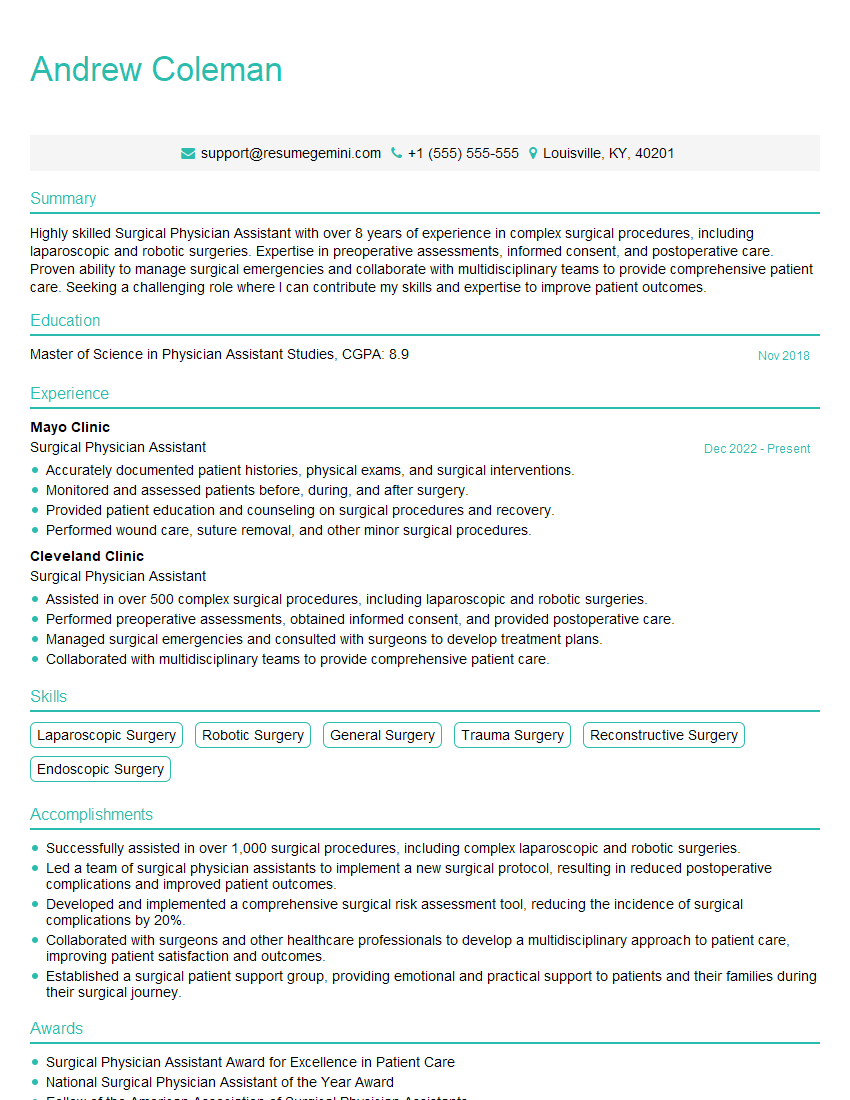
Surgical Physician Assistant Resume Sample

Surgical Nurse Practitioner Resume Sample
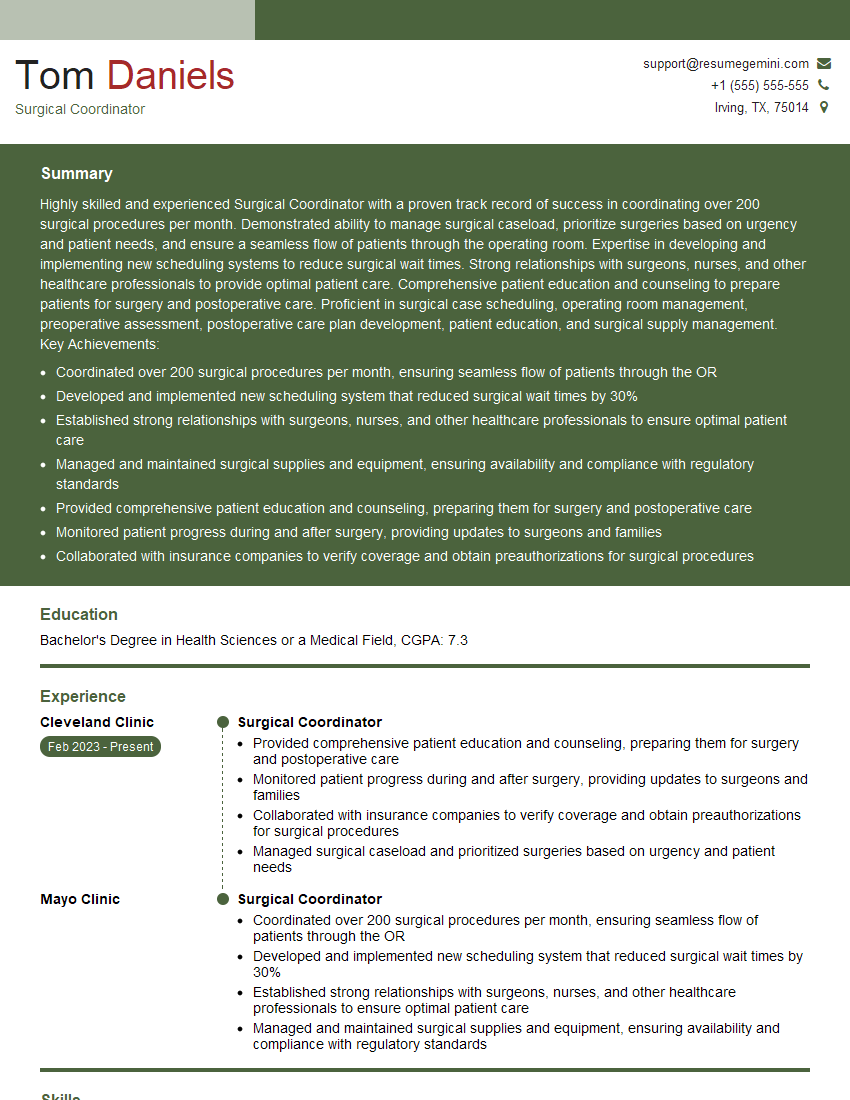
Surgical Coordinator Resume Sample
Explore more articles
Users Rating of Our Blogs
Share Your Experience
We value your feedback! Please rate our content and share your thoughts (optional).
What Readers Say About Our Blog
To the interviewgemini.com Webmaster.
Very helpful and content specific questions to help prepare me for my interview!
Thank you
To the interviewgemini.com Webmaster.
This was kind of a unique content I found around the specialized skills. Very helpful questions and good detailed answers.
Very Helpful blog, thank you Interviewgemini team.