Preparation is the key to success in any interview. In this post, we’ll explore crucial Pediatric Exercise interview questions and equip you with strategies to craft impactful answers. Whether you’re a beginner or a pro, these tips will elevate your preparation.
Questions Asked in Pediatric Exercise Interview
Q 1. Explain the physiological differences in exercise response between children and adults.
Children’s physiological responses to exercise differ significantly from adults’. Their cardiovascular systems are still developing, leading to higher resting heart rates and faster recovery times after exertion. Their thermoregulatory systems are less efficient, making them more susceptible to overheating. Their musculoskeletal systems are also still growing, requiring careful consideration of exercise intensity and type to avoid injury. For instance, a child’s bone is more pliable and susceptible to overuse injuries like stress fractures than an adult’s. Their energy systems are also less developed, meaning they might fatigue more quickly during prolonged exercise. Finally, children’s hormonal responses to exercise are different, impacting growth and development. Understanding these differences is crucial for designing safe and effective exercise programs.
Q 2. Describe the appropriate methods for assessing fitness in children of varying ages and abilities.
Assessing fitness in children requires age-appropriate methods. For young children (preschool – early elementary), observation of movement skills and participation in play-based activities is often sufficient. Simple tests like the run-jump-throw assessment can be used. For older children and adolescents, more formal assessments become appropriate, including:
- Cardiovascular fitness: The most common is the pacer test (beep test), which measures endurance. Other tests like the 1-mile run or a submaximal cycle ergometer test can also be used, adapting the duration and intensity based on the child’s age and fitness level.
- Muscular strength and endurance: Tests like push-ups, pull-ups (modified for younger children), sit-ups, and curl-ups are common. The number of repetitions completed within a specific time frame is recorded.
- Flexibility: Sit-and-reach tests or other range-of-motion assessments can assess flexibility.
- Body Composition: While less frequently used in children due to potential psychological implications, body mass index (BMI) and skinfold measurements can provide estimates of body fat percentage. These should always be interpreted cautiously and within a holistic assessment of the child’s health.
It’s vital to consider the child’s developmental stage and any existing medical conditions when choosing assessment methods. Always prioritize a positive and encouraging environment to foster a healthy relationship with physical activity.
Q 3. What are the key considerations for designing safe and effective exercise programs for children with chronic conditions (e.g., asthma, diabetes)?
Designing exercise programs for children with chronic conditions necessitates careful consideration of their specific needs. For children with asthma, exercise should be gradual, avoiding triggers like cold air and high pollen levels. Warm-ups and cool-downs are crucial. Inhaled bronchodilators may be necessary before activity. For children with diabetes, blood glucose monitoring before, during, and after exercise is vital. Exercise intensity and timing should be adjusted based on blood glucose levels. Carbohydrate intake may need to be modified to prevent hypoglycemia. Always consult with the child’s physician and other relevant healthcare professionals (e.g., a registered dietitian) before developing an exercise program. Collaboration is key to ensure safety and effectiveness, and the program should be individualized.
For example, a child with asthma might benefit from swimming, as the humid environment reduces the risk of bronchospasm, while a child with Type 1 Diabetes might need to adjust their insulin dosage before and after intense activity. Regular check-ins and modifications based on feedback from the child and their medical team are essential.
Q 4. How would you modify an exercise program for a child experiencing pain or injury?
Modifying an exercise program for a child experiencing pain or injury requires a cautious and individualized approach. The first step is to identify the source and nature of the pain through a thorough assessment, potentially involving a medical professional. The exercise program must then be adapted to avoid aggravating the injury. This might involve:
- Rest: Allowing the injured area to rest is crucial in the initial phase of healing.
- Ice: Applying ice packs to reduce inflammation and pain.
- Compression: Using bandages or sleeves to minimize swelling.
- Elevation: Keeping the injured area elevated to reduce swelling.
- Modification of exercises: Altering the intensity, duration, or type of exercise to minimize stress on the affected area. This might involve replacing high-impact activities with low-impact alternatives, reducing weight loads, or substituting exercises that don’t put strain on the injured area.
- Gradual progression: Slowly increasing the intensity and duration of exercise as the child’s condition improves, preventing re-injury.
In some cases, physical therapy may be necessary. Always prioritize the child’s comfort and safety, ensuring that the modified program is both effective and avoids causing further harm.
Q 5. Outline the principles of exercise prescription for children, including FITT principles.
Exercise prescription for children follows the FITT principles, but with modifications to account for their unique physiological characteristics and developmental stage. These principles include:
- Frequency: Aim for at least 60 minutes of moderate-to-vigorous physical activity most days of the week. This can be accumulated throughout the day in shorter bursts.
- Intensity: Moderate intensity is generally recommended, allowing the child to talk but not sing during activity. Vigorous intensity activities should also be incorporated. The target heart rate zone can be used as a guide, but should be adjusted based on individual factors.
- Time: At least 60 minutes of daily physical activity is recommended, which can be accumulated throughout the day.
- Type: A variety of activities, including aerobic, muscle-strengthening, and bone-strengthening exercises, are encouraged. Children should participate in activities they enjoy to enhance adherence.
It is crucial to individualize exercise prescription based on factors such as age, fitness level, health status, and personal preferences. The program should be progressive, gradually increasing the intensity and duration of exercise to prevent overtraining and injury. Prioritizing fun and enjoyment is paramount.
Q 6. Discuss the importance of parental involvement in children’s exercise programs.
Parental involvement is essential for successful children’s exercise programs. Parents play a crucial role in:
- Modeling healthy behaviors: Children are more likely to adopt healthy lifestyles if their parents also engage in regular physical activity.
- Providing support and encouragement: Positive reinforcement and emotional support from parents can significantly improve a child’s motivation and adherence to the program.
- Ensuring safety: Parents can supervise activities, ensuring safe environments and proper equipment use.
- Facilitating access to opportunities: Parents can help their children access resources such as parks, sports facilities, and organized activities.
- Monitoring progress: Parents can track their child’s progress and provide feedback, making adjustments as needed.
Open communication between parents, children, and healthcare professionals is crucial for creating a supportive and effective environment for physical activity. Parents should understand the importance of age-appropriate exercise, safety precautions, and the potential benefits of regular physical activity for their child’s overall health and well-being.
Q 7. How do you motivate children to participate in and adhere to exercise programs?
Motivating children to participate in and adhere to exercise programs requires a multifaceted approach that focuses on making physical activity fun, engaging, and rewarding:
- Make it fun: Incorporate games, sports, and other enjoyable activities into the exercise program.
- Set realistic goals: Start with achievable goals and gradually increase the challenge as the child progresses. Celebrate achievements along the way.
- Provide positive reinforcement: Offer praise and encouragement for effort and progress, rather than solely focusing on results.
- Involve the child in decision-making: Allow the child to choose activities they enjoy, fostering a sense of ownership and autonomy.
- Promote social interaction: Encourage participation in group activities or sports to enhance motivation and social interaction.
- Use technology: Fitness trackers or apps can make exercise more engaging and track progress.
- Be a role model: Parents and caregivers should model healthy behaviors and actively participate in physical activity.
Remember, consistency is key. Building positive associations with exercise early in life is crucial for fostering healthy habits that last a lifetime.
Q 8. Describe different methods for assessing a child’s physical activity level.
Assessing a child’s physical activity level requires a multi-faceted approach, combining objective and subjective measures. We can’t simply rely on a child’s self-report, as their understanding of activity levels might be limited.
Objective Measures: These provide quantifiable data. Accelerometers are small devices worn on the wrist or hip that track movement throughout the day, providing data on intensity, duration, and frequency of activity. Pedometers measure steps taken, offering a simpler, more affordable option, though less precise in terms of intensity. Direct observation, although time-consuming, provides valuable insights into the type and quality of movement during play or structured activities. For example, observing a child’s participation in PE class reveals their engagement and effort.
Subjective Measures: These rely on self-reporting or parental reports, often using questionnaires or diaries. Parent-reported questionnaires are crucial, as parents observe their child’s activity outside of structured settings. These questionnaires usually assess the child’s participation in various activities (e.g., organized sports, active play) and the time spent engaged in these activities. However, reliance on subjective measures alone may be unreliable due to recall bias or inaccurate perceptions.
Combined Approach: The most comprehensive assessment combines both objective and subjective methods. For example, using accelerometry data alongside a parental activity questionnaire provides a richer, more accurate picture of the child’s overall physical activity levels. This allows for a more nuanced understanding of the child’s activity patterns and helps identify areas for improvement.
Q 9. What are the common barriers to physical activity in children, and how can these be overcome?
Many barriers hinder children’s physical activity. These can be categorized broadly into individual, social, and environmental factors.
Individual Barriers: These include lack of motivation, low self-esteem, perceived lack of skill, health conditions (e.g., obesity, asthma), and lack of enjoyment in physical activities. Addressing these involves tailoring activities to the child’s interests, focusing on building self-efficacy and promoting positive self-perception.
Social Barriers: Peer influence, lack of social support from family or friends, and social isolation can all discourage participation. Encouraging participation in group sports or activities, and building positive social connections related to activity can be highly effective here. Creating a supportive home environment where physical activity is valued and modeled by parents is vital.
Environmental Barriers: These include lack of safe places to be active (e.g., parks, playgrounds), unsafe neighborhoods, limited access to recreational facilities, weather conditions, and even technology overuse. Addressing this requires community interventions such as improving access to parks and recreational facilities, promoting active transportation (walking or cycling to school), and providing opportunities for physical activity in various settings.
Overcoming these barriers requires a multi-pronged approach involving interventions at individual, family, school, and community levels. For instance, a school could introduce a more engaging PE curriculum while the community provides safe play areas, complemented by parental encouragement at home.
Q 10. How would you address the concerns of a parent hesitant about their child’s participation in a structured exercise program?
Parental concerns about structured exercise programs are valid and should be addressed with empathy and understanding. A key element is building trust and providing reassurance.
Address Specific Concerns: Actively listen to the parent’s concerns. Are they worried about injury, time constraints, or the intensity of the program? Addressing these directly shows you understand their perspective.
Highlight Age-Appropriateness: Emphasize that the program is designed to be safe and developmentally appropriate for their child’s age and abilities. Explain how the program gradually increases intensity and how qualified instructors supervise activities. Provide examples of modifications for various skill levels.
Emphasize Fun and Enjoyment: Focus on the fun aspects of physical activity and highlight the program’s emphasis on play and enjoyment, rather than just rigorous training. Show them how the program encourages social interaction and teamwork.
Provide Clear Communication: Provide detailed information about the program’s structure, scheduling, and supervision. This transparency builds trust and reduces anxiety.
Offer a Trial Period: If possible, offer a trial period where the child can participate in a few sessions to assess if the program is a good fit. This allows the parent to observe the program firsthand and address any remaining doubts.
Ultimately, the goal is to build a collaborative partnership with the parent, ensuring they feel comfortable and confident in their child’s participation.
Q 11. Explain the role of exercise in promoting healthy bone development in children.
Exercise plays a crucial role in healthy bone development in children, primarily by stimulating bone growth and increasing bone density. Weight-bearing and high-impact activities are particularly effective.
Stimulating Bone Growth: Weight-bearing exercises, where the bones bear the weight of the body, stimulate osteoblast activity (the bone-forming cells). Examples include running, jumping, hopping, and climbing. These activities create micro-stress on the bones, which trigger growth and remodeling.
Increasing Bone Density: High-impact exercises, those involving forceful ground reactions, are especially potent in increasing bone density. This is because they generate greater stress on the bones, further stimulating osteoblast activity. Activities like jumping jacks, skipping, and playing basketball fall under this category.
Improving Bone Strength: Regular exercise improves bone strength and reduces the risk of fractures later in life. Strong bones are essential to support movement and withstand stress. This is why it is important to introduce age-appropriate weight-bearing and high-impact exercise from a young age.
It’s crucial to remember that adequate calcium and vitamin D intake are essential to support bone growth, alongside exercise. The combination of a healthy diet and regular physical activity is the ideal recipe for healthy bone development.
Q 12. How would you incorporate play-based activities into an exercise program for young children?
Incorporating play-based activities into exercise programs for young children is essential for engagement and enjoyment. It transforms exercise from a chore into a fun experience.
Games and Activities: Use games like tag, hide-and-seek, and obstacle courses to encourage running, jumping, and climbing. These games naturally incorporate various movement patterns and improve cardiovascular fitness and coordination.
Dance and Movement: Music and dance are great ways to engage young children. They encourage rhythmic movement, coordination, and cardiovascular exercise, while providing a creative and enjoyable experience.
Outdoor Play: Encourage outdoor play, such as exploring nature, building sandcastles, or playing ball games. This exposes children to a variety of movement patterns and fosters a positive relationship with physical activity.
Imaginative Play: Incorporate imaginative scenarios, like pretending to be animals or superheroes, into the activities to make them more engaging. This encourages creativity and boosts motivation.
Structured Play with Variations: Even structured activities can be playful. Instead of repetitive drills, vary the exercises, introducing different challenges or obstacles to maintain interest. For example, vary the jump rope routines or introduce different variations of crab walks.
Remember to adapt the activities based on the children’s ages and abilities, emphasizing fun and inclusivity. Short, frequent sessions are often more effective than long, intense ones for young children.
Q 13. What are the signs and symptoms of exercise-induced asthma, and how should it be managed?
Exercise-induced asthma (EIA) is a condition where physical activity triggers asthma symptoms. It’s crucial to differentiate it from other causes of respiratory distress during exercise.
Signs and Symptoms: Common symptoms include wheezing, coughing, shortness of breath, chest tightness, and increased mucus production. These symptoms typically begin during or shortly after exercise and can vary in severity. The onset might be delayed by 15-20 minutes following physical exertion.
Management: Management involves a multi-pronged approach. A proper diagnosis from a physician is the first step. This typically involves a detailed medical history, physical examination, and possibly pulmonary function tests. Regular use of prophylactic medication, such as inhaled bronchodilators before exercise, is often prescribed to prevent symptoms. A well-structured exercise plan that gradually increases intensity is crucial. Warm-up and cool-down periods are particularly important to help regulate breathing. Children might need to avoid triggers that worsen symptoms, such as cold air or allergens.
Parents and coaches must be educated about EIA and learn how to recognize its signs. Early identification and proper management are crucial to prevent severe symptoms and ensure the child can participate in physical activities safely.
Q 14. Discuss the benefits of exercise for children with attention deficit hyperactivity disorder (ADHD).
Exercise provides significant benefits for children with Attention Deficit Hyperactivity Disorder (ADHD). It’s not a cure, but a powerful tool in improving various aspects of their lives.
Improved Attention and Focus: Regular physical activity improves attention and focus, potentially by increasing blood flow to the brain and stimulating neurotransmitter production. Studies show improvements in attention span and task performance after exercise in children with ADHD.
Reduced Hyperactivity and Impulsivity: Exercise can help reduce hyperactivity and impulsivity symptoms. Physical exertion provides an outlet for excess energy, leading to calmer behavior and improved self-regulation. Engaging in regular physical activities can assist in managing the symptoms of ADHD more effectively.
Improved Mood and Self-Esteem: Exercise releases endorphins, which have mood-boosting effects. Physical activity can improve self-esteem and confidence by helping children achieve physical goals and experience a sense of accomplishment. The benefits extend beyond just physical fitness, positively impacting their emotional well-being.
Better Sleep Quality: Regular physical activity can improve sleep quality, which is often disrupted in children with ADHD. Sufficient sleep is vital for attention, behavior, and overall well-being, and exercise can help manage sleep problems associated with ADHD.
When incorporating exercise for children with ADHD, it’s essential to consider their individual needs and preferences. Short, high-intensity activities might be more effective than long, low-intensity sessions, keeping them engaged and minimizing boredom. Positive reinforcement and structured routines are also important. A collaborative approach involving parents, educators, and healthcare professionals is crucial to ensure the program is safe, effective, and enjoyable.
Q 15. Describe the role of exercise in managing childhood obesity.
Exercise plays a crucial role in managing childhood obesity by combating its underlying causes and improving overall health. It helps increase energy expenditure, burning more calories than consumed, contributing to weight loss or maintenance. Beyond weight management, exercise strengthens muscles and bones, improves cardiovascular health, and regulates blood sugar levels – all vital factors in obesity management.
Practical application: A comprehensive program might include aerobic activities like swimming or cycling (at least 60 minutes most days of the week), strength training exercises (2-3 days per week), and recreational activities to promote enjoyment and adherence. Individualized programs are crucial, considering age, fitness level, and health conditions. For example, a child with asthma might benefit from low-impact activities like swimming, whereas a child with joint pain might find adapted yoga more suitable.
Example: A 10-year-old struggling with obesity could participate in a soccer league, incorporate family walks into their routine, and engage in age-appropriate strength training exercises using bodyweight or light resistance bands. Progress should be monitored, and the program adjusted as needed.
Career Expert Tips:
- Ace those interviews! Prepare effectively by reviewing the Top 50 Most Common Interview Questions on ResumeGemini.
- Navigate your job search with confidence! Explore a wide range of Career Tips on ResumeGemini. Learn about common challenges and recommendations to overcome them.
- Craft the perfect resume! Master the Art of Resume Writing with ResumeGemini’s guide. Showcase your unique qualifications and achievements effectively.
- Don’t miss out on holiday savings! Build your dream resume with ResumeGemini’s ATS optimized templates.
Q 16. How would you adapt exercise programs to accommodate children with developmental delays or disabilities?
Adapting exercise programs for children with developmental delays or disabilities requires careful consideration of their individual needs and abilities. The key is to focus on functional fitness, promoting skills relevant to daily life and improving their quality of life. We must avoid comparisons with typically developing children.
- Assessment: A thorough assessment is crucial to identify strengths, weaknesses, and any physical limitations. This often involves collaboration with therapists and specialists.
- Individualized goals: Goals should be realistic, achievable, and tailored to the child’s specific needs. Focus on progress rather than perfection.
- Adaptive equipment and modifications: Specialized equipment, such as adaptive bikes or modified exercise routines, might be necessary. Simple modifications, like altering exercise intensity or duration, can also be highly effective.
- Therapeutic approaches: Integrating therapeutic approaches such as aquatic therapy or hippotherapy (horseback riding) can be beneficial.
- Positive reinforcement: Emphasize encouragement and positive reinforcement, celebrating achievements no matter how small.
Example: A child with cerebral palsy might benefit from adapted swimming lessons, focusing on improving range of motion and strength. A child with autism spectrum disorder might respond well to structured routines with clear visual cues and predictable activities.
Q 17. What are the ethical considerations related to conducting research involving children in exercise settings?
Ethical considerations in research involving children in exercise settings are paramount. The primary focus must always be the child’s well-being and protection.
- Informed consent: Obtaining informed consent from parents or guardians is essential, ensuring they fully understand the study’s purpose, procedures, risks, and benefits.
- Assent from children: Depending on the child’s age and maturity, their assent (agreement to participate) should be sought as well.
- Minimizing risk: Researchers must take all necessary precautions to minimize risks to the child’s physical and psychological health. This includes appropriate supervision and emergency protocols.
- Confidentiality: Maintaining the confidentiality of the child’s data and protecting their privacy is crucial.
- Equity and inclusion: Studies should strive for equitable representation of children from diverse backgrounds, ensuring that findings are relevant and applicable to all children.
- Benefits outweigh risks: The potential benefits of the research must justify any potential risks to the child.
Example: A study on the effects of a new exercise program for children with obesity should clearly explain the procedures, including the possibility of discomfort during exercise, to parents and obtain their informed consent. It should also ensure the child understands and agrees to participate (assent) in age-appropriate terms.
Q 18. Explain the importance of obtaining informed consent from parents and/or guardians before starting an exercise program.
Obtaining informed consent from parents and/or guardians before initiating any exercise program for a child is not just a legal requirement but also an ethical imperative. It ensures that parents are fully aware of the program’s goals, methods, potential risks, and benefits. This collaborative approach builds trust and fosters a positive relationship between the healthcare provider and the family.
Process: A comprehensive consent form should clearly outline all aspects of the program, including the type of exercises, frequency, duration, potential risks (e.g., minor injuries), and the expected outcomes. It should also address issues of confidentiality and data use. The process should involve open communication, answering any questions the parents may have, and allowing them ample time to make an informed decision.
Example: Before enrolling a child in a youth sports program, parents should receive detailed information about the training schedule, safety protocols, and the coach’s qualifications. They should also be informed about the potential risks of injury and the steps taken to mitigate those risks.
Q 19. Describe your experience working with children from diverse cultural backgrounds.
My experience working with children from diverse cultural backgrounds has highlighted the importance of cultural sensitivity and tailoring interventions to meet individual needs. Understanding cultural norms regarding physical activity, diet, and family involvement is essential for creating effective and acceptable programs.
Example: In working with families from certain cultures where extended family plays a significant role, I’ve found success by incorporating family members into the exercise program, making it a shared experience. In other communities, I might need to adapt the types of exercises offered to reflect culturally relevant activities.
Approach: Building trust and rapport is key. This includes showing respect for their beliefs and practices, using culturally appropriate language and communication styles, and actively involving the family in the decision-making process. Understanding diverse health beliefs and potential barriers to participation are crucial factors for success.
Q 20. How would you communicate effectively with children and their parents about exercise recommendations?
Effective communication with children and their parents about exercise recommendations involves using age-appropriate language, visual aids, and positive reinforcement.
- Age-appropriate communication: Explaining exercise benefits in terms children can understand, using stories or games, helps engagement. For parents, more detailed information about the physiological and psychological benefits can be provided.
- Visual aids: Charts, graphs, or videos depicting activities can help children understand the goals and make the experience more enjoyable.
- Positive reinforcement: Celebrating milestones and achievements boosts motivation. Tracking progress through fun methods, like sticker charts, can be very engaging for children.
- Collaborative approach: Involving the child and parents in setting goals and choosing activities helps create ownership and increases adherence.
- Active listening: Addressing concerns and questions patiently and empathetically builds trust and rapport.
Example: Instead of saying, “You need to exercise for 60 minutes,” I might say, “Let’s aim for 30 minutes of running around and 30 minutes of playing your favorite game today!” For parents, I would explain the long-term benefits of physical activity, such as reduced risk of chronic diseases and improved mental health.
Q 21. Explain your understanding of the psychological benefits of exercise for children.
Exercise offers significant psychological benefits for children, extending beyond physical health. Regular physical activity has been linked to improved mood, reduced anxiety and depression, increased self-esteem, and enhanced cognitive function.
Mood regulation: Exercise releases endorphins, which have mood-boosting effects, helping children manage stress and improve emotional well-being.
Self-esteem: Achieving fitness goals and mastering new skills build confidence and self-esteem, particularly important during childhood development.
Cognitive function: Physical activity improves blood flow to the brain, enhancing focus, concentration, and academic performance. It’s also been associated with better sleep quality, leading to improved cognitive function.
Social interaction: Team sports and group fitness activities provide opportunities for socialization, building social skills and friendships.
Stress reduction: Exercise serves as a healthy outlet for releasing pent-up energy and stress, which is particularly important in today’s demanding environments.
Example: A child who participates regularly in sports might experience an improvement in mood, increased self-confidence, and better concentration in school.
Q 22. How would you monitor and evaluate the progress of a child’s exercise program?
Monitoring a child’s progress in an exercise program requires a multifaceted approach that goes beyond simply tracking weight or distance. We need to consider several key areas:
- Subjective Measures: We’ll regularly check in with the child and their parents to gauge their enjoyment, motivation, and perceived exertion. A simple rating scale (e.g., 1-10, with 1 being very easy and 10 being very hard) for perceived exertion during exercise is very helpful. We’ll also listen to any feedback about pain, fatigue, or other issues.
- Objective Measures: This involves quantifiable data. Depending on the program’s goals, this might include:
- Fitness Tests: We can use age-appropriate fitness tests like the PACER test (for aerobic fitness), sit-and-reach (for flexibility), and push-ups/pull-ups (for muscular strength).
- Heart Rate Monitoring: Tracking heart rate during exercise helps ensure the child is working at the appropriate intensity (usually within a target heart rate zone calculated based on their age and fitness level).
- Activity Trackers: Wearable devices can objectively track steps, sleep, and overall activity levels. These provide valuable insights into daily habits.
- Behavioral Observations: We’ll observe the child’s form, technique, and overall participation during exercise sessions. Are they exhibiting proper form? Are they engaging in the activities enthusiastically? This helps identify areas needing improvement or modifications.
- Regular Check-ins: Consistent communication with parents and the child is crucial. Regular progress reviews allow us to adjust the program as needed, ensuring it remains challenging yet achievable.
For example, if a child’s heart rate consistently stays below their target zone during aerobic exercise, we might increase the intensity or duration. Conversely, if they consistently report high perceived exertion, we may need to reduce the intensity.
Q 23. What are the potential risks associated with childhood exercise, and how can these be mitigated?
Childhood exercise, while overwhelmingly beneficial, does carry some potential risks. However, most risks can be significantly mitigated through proper planning and supervision:
- Overuse Injuries: These are common in children who participate in repetitive activities without adequate rest. This can lead to stress fractures, tendinitis, or other musculoskeletal issues. Mitigation involves gradual progression of exercise intensity and volume, incorporating rest days, and ensuring proper technique.
- Heatstroke/Dehydration: Children are more susceptible to heat-related illnesses than adults. Mitigation involves scheduling exercise during cooler parts of the day, encouraging frequent water breaks, and monitoring for signs of heat exhaustion (e.g., dizziness, nausea).
- Sudden Cardiac Death: Though rare, it’s crucial to screen children with a history of cardiac conditions before starting an intense exercise program. This involves a comprehensive medical history and potentially an electrocardiogram (ECG).
- Injuries due to improper technique or equipment use: This can range from minor bruises and scrapes to serious fractures. Proper instruction in safe exercise techniques and supervision during exercise are essential for prevention.
For instance, a child participating in a long-distance run should gradually increase their running distance to avoid overuse injuries. Similarly, proper hydration strategies, including regular water intake during and after exercise, are vital to prevent heatstroke. Careful supervision and equipment checks are critical throughout all exercise activities.
Q 24. Describe your knowledge of current research in pediatric exercise science.
Current research in pediatric exercise science is a vibrant field focusing on various aspects of children’s physical activity and health. Here are some key areas:
- The impact of physical activity on cognitive function: Studies are increasingly showing the positive impact of exercise on children’s brain development, academic performance, and attention spans. This highlights the importance of incorporating physical activity into the school curriculum.
- The role of exercise in preventing and managing chronic diseases: Research emphasizes the vital role of exercise in mitigating childhood obesity, type 2 diabetes, and cardiovascular disease risk factors. This leads to strategies promoting healthy lifestyles from an early age.
- The development of age-appropriate exercise guidelines: Researchers are working to create guidelines and recommendations tailored to specific age groups and developmental stages, ensuring safe and effective exercise programs for all children.
- The influence of technology and sedentary behavior on children’s health: Studies explore the negative effects of excessive screen time and sedentary lifestyles on children’s physical and mental health, driving the development of interventions promoting active play and limiting screen time.
- The effects of exercise on children with disabilities or chronic conditions: Research focuses on creating adaptive exercise programs tailored to children with specific needs, promoting physical activity and improved quality of life.
For example, recent studies demonstrate that even short bursts of physical activity throughout the day can significantly benefit children’s cognitive function. This research influences recommendations for incorporating movement breaks into school days and encouraging active playtime.
Q 25. How would you respond to a child who is reluctant to participate in physical activity?
A child’s reluctance to participate in physical activity often stems from various factors, requiring a sensitive and individualized approach. I would:
- Identify the Underlying Reason: Through open conversation, I would try to understand why the child is hesitant. Is it fear of failure, lack of enjoyment, peer pressure, or a previous negative experience?
- Make it Fun and Engaging: I’d focus on activities the child finds enjoyable, perhaps games, sports, or dance, rather than structured workouts. Incorporating elements of play and choice empowers children and boosts their intrinsic motivation.
- Set Realistic Goals and Expectations: Starting with short, achievable goals is crucial to prevent frustration and build confidence. Gradually increasing the intensity and duration of activity fosters a sense of accomplishment.
- Positive Reinforcement and Encouragement: Focusing on effort and progress rather than solely on outcomes fosters positive self-perception and reduces pressure. Celebrating small victories keeps the child motivated.
- Involve the Child in the Process: Allowing the child to participate in choosing activities, setting goals, and selecting the exercise environment empowers them and increases their sense of ownership.
- Positive Role Modeling: Parents and caregivers are influential role models. Their active participation in physical activity sets a positive example for the child.
For instance, a child who dislikes running might enjoy swimming or dancing. By collaborating with the child, we can tailor the program to their preferences, making exercise a positive experience rather than a chore.
Q 26. Discuss your familiarity with different types of exercise equipment and their appropriate use with children.
Selecting and using exercise equipment with children requires careful consideration of safety and age-appropriateness. Here are some examples:
- Adaptive Equipment: For children with disabilities, adaptive equipment such as modified bicycles, specialized wheelchairs, or accessible playground equipment are crucial for inclusive participation.
- Bodyweight Exercises: These are excellent for building strength and coordination, requiring no equipment other than the child’s body. Examples include squats, push-ups (modified as needed), planks, and lunges.
- Simple Resistance Bands: These provide a safe and effective way to add resistance to bodyweight exercises, enhancing strength training. It’s important to use appropriate resistance levels suitable for the child’s strength and age.
- Gym Balls: These can improve balance, core strength, and coordination. They are also fun and engaging for children.
- Playground Equipment: Slides, swings, monkey bars, and climbing structures provide opportunities for physical activity, improving gross motor skills and coordination, but always with supervision.
- Cardio Equipment: Children can use smaller-sized treadmills, elliptical trainers, or stationary bikes, but always under close supervision and with age-appropriate settings. This should be modified to their fitness levels.
It’s essential to ensure that all equipment is age-appropriate, properly maintained, and used under appropriate supervision. Regular safety checks and proper instruction in equipment use are critical for preventing injuries.
Q 27. Explain your knowledge of common childhood musculoskeletal injuries and their prevention.
Common childhood musculoskeletal injuries often arise from overuse, improper technique, or accidents. Prevention is key, and focuses on several strategies:
- Overuse Injuries (e.g., stress fractures, Osgood-Schlatter disease, Little League elbow): These often result from repetitive movements without adequate rest. Prevention involves gradual progression of training volume and intensity, ensuring sufficient rest and recovery periods, proper warm-up and cool-down routines, and age-appropriate training guidelines.
- Growth Plate Injuries: These injuries can affect the growth plates (areas of rapidly growing bone tissue) in young athletes and can result in growth deformities or other issues if not treated properly. Focus should be on proper technique, appropriate intensity, and gradual progression.
- Sprains and Strains: These are common soft tissue injuries, often caused by sudden movements or falls. Proper warm-up, stretching, and conditioning can reduce the risk, as well as good technique and supervision during sports.
- Fractures: While some fractures are unavoidable, proper protective equipment (e.g., helmets, knee pads, elbow pads) during sports and activities can significantly reduce the risk.
For example, a young baseball player should gradually increase the number of pitches he throws to prevent Little League elbow. Similarly, emphasizing proper warm-up exercises and stretching can help prevent muscle strains.
Q 28. Describe your approach to creating a safe and inclusive exercise environment for children.
Creating a safe and inclusive exercise environment for children involves a holistic approach focusing on both physical and emotional safety:
- Safe and Age-Appropriate Equipment: Ensure all equipment is in good condition, age-appropriate, and regularly inspected for safety hazards. Properly padded surfaces can help reduce the impact of falls.
- Qualified Supervision: Adequate supervision is crucial, particularly with younger children. Trained professionals can ensure children are using equipment correctly and participating safely.
- Positive and Encouraging Environment: Foster a supportive and encouraging atmosphere where children feel comfortable trying new things and making mistakes without fear of judgment. Celebrate effort and progress rather than just outcomes.
- Inclusive Activities: Adapt activities to suit children of different abilities and needs. Inclusive activities ensure all children can participate regardless of their physical limitations.
- Clear Rules and Expectations: Establish clear rules and expectations to ensure safety and maintain order. This promotes a respectful and fun environment.
- Emergency Preparedness: Have a plan in place to handle emergencies, including first-aid procedures and emergency contact information. This ensures prompt attention for any injuries or accidents.
For example, offering modified versions of games or activities for children with disabilities ensures inclusivity. Similarly, a clear set of rules for using playground equipment helps ensure a safe and orderly environment. Positive reinforcement and celebrating achievements build confidence and encourage participation.
Key Topics to Learn for Pediatric Exercise Interview
- Child Development & Exercise: Understanding the developmental stages of children and how they impact exercise prescription and program design. Practical application: Adapting exercise routines to accommodate varying age groups and abilities.
- Exercise Physiology in Children: Understanding the unique physiological responses of children to exercise, including cardiovascular, respiratory, and musculoskeletal adaptations. Practical application: Designing safe and effective exercise programs that consider these unique physiological characteristics.
- Common Pediatric Conditions & Exercise: Knowledge of how exercise can be beneficial (or contraindicated) for children with conditions like asthma, obesity, cerebral palsy, and Down syndrome. Practical application: Modifying exercise programs to accommodate specific medical needs and limitations.
- Exercise Programming & Assessment: Designing, implementing, and evaluating exercise programs for children, including appropriate testing methods and progress monitoring. Practical application: Creating individualized exercise plans based on a child’s needs, goals, and abilities, and tracking their progress effectively.
- Motivation & Behavior Change: Strategies for motivating children and their families to engage in regular physical activity and promoting long-term adherence to exercise programs. Practical application: Employing positive reinforcement techniques, incorporating play-based activities, and setting realistic goals.
- Safety & Injury Prevention: Understanding common injuries in pediatric exercise and implementing strategies to prevent them. Practical application: Implementing proper warm-up and cool-down routines, using appropriate equipment, and educating children and parents on safety precautions.
- Ethical Considerations: Understanding ethical considerations in pediatric exercise, including informed consent, confidentiality, and appropriate professional boundaries. Practical application: Ensuring adherence to relevant professional codes of conduct and maintaining ethical standards in all interactions with children and families.
Next Steps
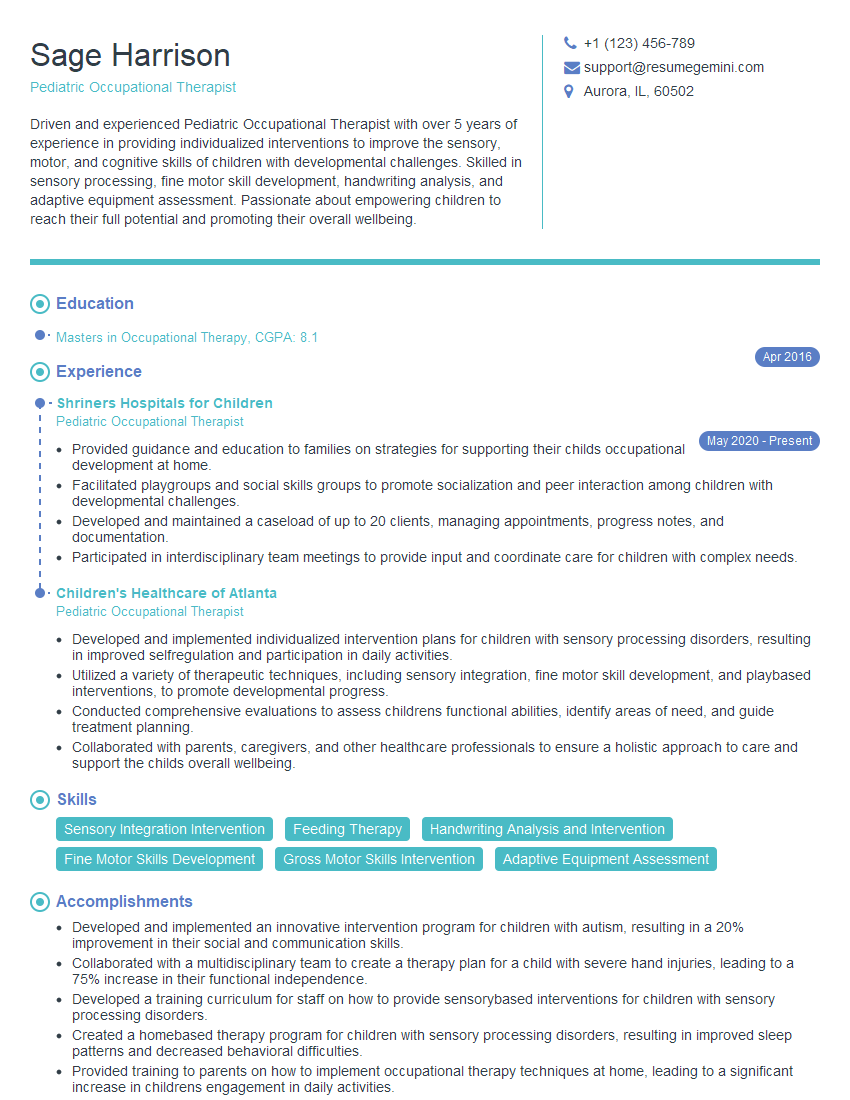
Mastering Pediatric Exercise opens doors to a fulfilling career with significant impact on children’s health and well-being. To maximize your job prospects, it’s crucial to present yourself effectively. Creating an ATS-friendly resume is key to getting your application noticed by potential employers. We highly recommend using ResumeGemini to build a professional and impactful resume that showcases your skills and experience. ResumeGemini provides examples of resumes tailored to Pediatric Exercise to help guide you. Invest time in crafting a strong resume – it’s your first impression and a critical step in landing your dream job.
Explore more articles
Users Rating of Our Blogs
Share Your Experience
We value your feedback! Please rate our content and share your thoughts (optional).
What Readers Say About Our Blog
To the interviewgemini.com Webmaster.
Very helpful and content specific questions to help prepare me for my interview!
Thank you
To the interviewgemini.com Webmaster.
This was kind of a unique content I found around the specialized skills. Very helpful questions and good detailed answers.
Very Helpful blog, thank you Interviewgemini team.