Interviews are more than just a Q&A session—they’re a chance to prove your worth. This blog dives into essential Pleural Effusion and Empyema Management interview questions and expert tips to help you align your answers with what hiring managers are looking for. Start preparing to shine!
Questions Asked in Pleural Effusion and Empyema Management Interview
Q 1. Describe the diagnostic approach to pleural effusion.
Diagnosing pleural effusion starts with a thorough history and physical examination, focusing on symptoms like shortness of breath, chest pain, and cough. We look for signs like diminished breath sounds or dullness to percussion on the affected side. Imaging plays a crucial role; a chest X-ray is the initial step, revealing the presence and size of the effusion. A CT scan provides more detailed information, especially in complex cases. Ultrasound is useful for guiding thoracentesis, a procedure where we withdraw fluid for analysis. This analysis helps determine the cause and nature of the effusion. For example, a patient presenting with shortness of breath and a dull percussion note on the right side might have a pleural effusion confirmed on chest X-ray, leading to a thoracentesis for further investigation.
Q 2. Differentiate between transudative and exudative pleural effusions.
The key difference lies in the underlying cause. Transudative effusions are caused by systemic factors that alter the balance of hydrostatic and oncotic pressures across the pleural membrane. Think of it like a leaky pipe – the system is malfunctioning, leading to fluid leakage. Examples include congestive heart failure, cirrhosis, and nephrotic syndrome. Exudative effusions, on the other hand, result from inflammation or damage to the pleura itself. Imagine this as a puncture in the pipe – direct damage leads to fluid leaking from the vessel. Causes include infections (pneumonia, tuberculosis), malignancy, and autoimmune diseases. Clinically, transudates tend to be less viscous and have a lower protein and lactate dehydrogenase (LDH) content compared to exudates.
Q 3. Explain the Light’s criteria for pleural fluid analysis.
Light’s criteria help differentiate transudative from exudative effusions based on pleural fluid analysis. It’s a practical tool to guide further investigations. An effusion is considered exudative if it meets at least one of the following criteria:
- Pleural fluid protein/serum protein ratio > 0.5
- Pleural fluid LDH/serum LDH ratio > 0.6
- Pleural fluid LDH > 2/3 the upper limit of normal serum LDH
If an effusion doesn’t meet these criteria, it’s usually classified as transudative. However, it’s important to note that Light’s criteria are not foolproof; some exudates might not meet all criteria, and further investigation may be needed. For example, a patient with a pleural effusion showing a pleural fluid protein/serum protein ratio of 0.7 clearly meets Light’s criteria and is indicative of an exudative effusion, requiring further investigation into the underlying cause.
Q 4. Discuss the role of thoracentesis in the management of pleural effusion.
Thoracentesis, or pleural fluid aspiration, is vital in the management of pleural effusion. It serves several purposes. First, it’s diagnostic, providing fluid for cytology (to check for cancer cells), microbiology (to identify infections), and biochemical analysis (to distinguish transudates from exudates, as discussed earlier). Second, it’s therapeutic; removing fluid can alleviate symptoms like shortness of breath and improve lung expansion. This is particularly important in large effusions that cause significant respiratory compromise. For example, a patient with a large pleural effusion causing dyspnea might undergo thoracentesis to relieve symptoms and obtain fluid for diagnostic analysis. The procedure itself is usually performed under ultrasound guidance to minimize risks.
Q 5. What are the indications for chest tube placement in pleural effusion?
Chest tube placement is indicated when less invasive measures fail to manage pleural effusion effectively. This is usually reserved for cases with significant respiratory compromise, recurrent effusions, or the presence of pus (empyema). Specific indications include:
- Large symptomatic pleural effusions that don’t respond to thoracentesis.
- Recurrent pleural effusions.
- Empyema requiring drainage.
- Hemothorax (blood in the pleural space).
- Chylothorax (lymph fluid in the pleural space).
The decision to insert a chest tube should be individualized based on patient condition and the nature of the effusion. A patient with a massive pleural effusion causing severe respiratory distress would be a prime candidate for chest tube placement. This allows for rapid removal of the fluid and improvement in lung function.
Q 6. Describe the management of a parapneumonic effusion.
Parapneumonic effusions are pleural effusions associated with pneumonia. Management depends on the severity and characteristics of the effusion. Small, uncomplicated parapneumonic effusions often resolve with treatment of the underlying pneumonia with antibiotics. However, more complex cases (complicated parapneumonic effusions) may require intervention. This is particularly true when the effusion is large, loculated (trapped in pockets), or purulent (containing pus). Management typically involves broad-spectrum antibiotics targeting likely pathogens, along with imaging and possibly thoracentesis or chest tube placement for drainage of pus. In severe cases, surgical intervention might be necessary. For example, a patient with pneumonia developing a large, loculated parapneumonic effusion would need aggressive antibiotic treatment, possibly with chest tube placement or even surgery to completely drain the pus and prevent empyema formation.
Q 7. Define empyema and its different stages.
Empyema is a collection of pus in the pleural space, essentially a severely infected pleural effusion. It’s classified into stages based on the characteristics of the fluid and the response to treatment. These stages aren’t always sharply defined, but generally include:
- Stage I (Early): This stage is characterized by a free-flowing, thin pus. Antibiotics and drainage may be sufficient.
- Stage II (Late): The pus is more viscous and loculated (trapped in pockets), making drainage more challenging. More aggressive drainage techniques are often needed, such as fibrinolytic agents or surgical intervention.
- Stage III (Organized): This is the most advanced stage, characterized by thick, organized pus with significant pleural thickening and fibrosis. Surgical intervention is usually necessary to remove the pus and fibrous tissue.
Empyema can have severe complications, including sepsis and respiratory failure, if not treated promptly and aggressively. A patient with empyema needs immediate intervention to drain the pus and administer appropriate antibiotics to prevent further complications.
Q 8. What are the common pathogens implicated in empyema?
Empyema, a collection of pus within the pleural space, is typically caused by bacterial infections. The specific pathogens vary depending on factors like the patient’s underlying health, recent infections, and community prevalence.
- Gram-positive bacteria: Streptococcus pneumoniae (a common cause of pneumonia leading to empyema), Staphylococcus aureus (including methicillin-resistant S. aureus or MRSA), and various Streptococci are frequently identified.
- Gram-negative bacteria: Escherichia coli, Klebsiella pneumoniae, and Pseudomonas aeruginosa are less common but can cause severe empyema, particularly in immunocompromised individuals.
- Anaerobes: These bacteria thrive in low-oxygen environments and are often found in mixed infections alongside other organisms. Their presence can complicate treatment significantly.
- Other pathogens: Fungal infections, although less frequent, can also result in empyema. This is often seen in immunocompromised patients or those with underlying lung diseases.
Identifying the specific pathogen is crucial for targeted antibiotic therapy, as empirical treatment may not always be effective against the culprit organism. This often requires a pleural fluid analysis to guide antibiotic selection.
Q 9. How is empyema diagnosed?
Diagnosing empyema involves a combination of clinical evaluation, imaging studies, and laboratory tests. A high index of suspicion is crucial, especially in patients with pneumonia exhibiting worsening symptoms despite antibiotic treatment.
- Chest X-ray: This is usually the initial imaging modality, revealing pleural thickening, loculated fluid collections (confined pockets of pus), and potential lung collapse.
- Computed Tomography (CT) scan: Provides more detailed images, demonstrating the extent and location of the empyema, the presence of septations (internal divisions within the pus collection), and the relationship to surrounding structures. CT is essential for surgical planning.
- Thoracentesis: This procedure involves inserting a needle into the pleural space to aspirate a sample of pleural fluid. Analysis of the fluid is critical for diagnosis. Empyema will show high white blood cell count (predominantly neutrophils), low glucose, high lactate dehydrogenase (LDH), and positive Gram stain/culture in many cases. The pH of the fluid is also important and will typically be low in empyema.
Combining the clinical picture, imaging findings, and the results of pleural fluid analysis allows for a definitive diagnosis of empyema.
Q 10. Outline the management of empyema, including surgical options.
Empyema management is multifaceted, ranging from conservative measures to surgical intervention, depending on the severity and stage of the disease. The goal is to drain the pus and restore normal lung function.
- Antibiotic therapy: Broad-spectrum antibiotics are initiated based on clinical suspicion and adjusted according to culture and sensitivity results from pleural fluid analysis.
- Drainage: This is the cornerstone of empyema treatment. Methods include:
- Chest tube drainage: A tube is inserted into the pleural space to drain the pus. This may be sufficient for uncomplicated empyema.
- Image-guided drainage: Ultrasound or CT guidance is used to place drainage catheters in complex or loculated effusions.
- Video-assisted thoracoscopic surgery (VATS) decortication: A minimally invasive surgical technique used to remove the thick fibrin peel that often lines the lung surface in empyema, allowing for lung re-expansion. This is often necessary for loculated or organized effusions.
- Open thoracotomy: This open surgical procedure is reserved for cases refractory to less invasive techniques or those with severe complications.
The choice of drainage method depends on the extent and complexity of the empyema. Patients need close monitoring during treatment, and the duration of antibiotic therapy is determined by clinical response and microbiological findings.
Q 11. Discuss the role of video-assisted thoracoscopic surgery (VATS) in empyema management.
VATS has revolutionized empyema management, offering numerous advantages over open thoracotomy. It’s a minimally invasive procedure that allows for thorough exploration and treatment of the pleural space.
- Decortication: VATS enables precise removal of the fibrinous peel that restricts lung expansion. This is achieved with minimal tissue trauma compared to open surgery.
- Drainage: VATS facilitates placement of chest tubes or drains in optimal locations, improving drainage efficacy. It allows for assessment of the extent of the empyema and identification of loculations.
- Biopsy: VATS allows for tissue sampling to aid in pathogen identification and histopathological examination in cases of uncertain diagnosis.
- Reduced morbidity and mortality: Compared to open surgery, VATS is associated with lower rates of post-operative pain, shorter hospital stays, and reduced complications such as bleeding and infections.
VATS is now the preferred surgical approach for many patients with empyema, especially those with loculated collections or those who haven’t responded to less-invasive drainage techniques. The decision to perform VATS is made on a case-by-case basis depending on the patient’s clinical status and the severity and extent of the empyema.
Q 12. What are the potential complications of empyema?
Empyema, if left untreated or inadequately managed, can lead to several serious complications:
- Respiratory failure: Significant lung compression from the pus collection can severely impair gas exchange.
- Sepsis: The infection can spread through the bloodstream, leading to a life-threatening systemic inflammatory response.
- Bronchopleural fistula: An abnormal connection between the bronchus and the pleural space, causing air leakage.
- Empyema necessitatis: A very serious complication where the pus breaks through the chest wall, forming an external abscess.
- Amyloidosis: Long-standing chronic infections can sometimes cause the abnormal deposition of amyloid proteins in the tissues.
- Chronic lung disease: Persistent pleural thickening and scarring can lead to chronic restrictive lung disease.
- Recurrence of empyema: Incomplete drainage and eradication of the infection increases the risk of the infection returning.
Early diagnosis and aggressive management are essential to minimize the risk of these potentially devastating complications.
Q 13. How do you differentiate between complicated and uncomplicated parapneumonic effusions?
Parapneumonic effusions are pleural effusions associated with pneumonia. They are categorized into uncomplicated and complicated based on the characteristics of the pleural fluid and the clinical course.
- Uncomplicated parapneumonic effusion: This effusion typically has a low pH (above 7.2), low LDH, and low white blood cell count, usually predominantly lymphocytes. These effusions often resolve with appropriate antibiotic treatment alone. The fluid is often transudative or slightly exudative.
- Complicated parapneumonic effusion (Empyema): This represents a more severe condition where the pleural space contains pus. Characterized by a low pH (below 7.2), high LDH, high white blood cell count (mostly neutrophils), and often positive Gram stain and culture. These effusions require aggressive drainage and may need surgical intervention to achieve resolution.
The distinction between uncomplicated and complicated effusions is primarily made based on pleural fluid analysis. If the fluid characteristics suggest an empyema (low pH, high WBC count, pus), aggressive intervention is needed. Regular monitoring of pleural fluid characteristics during treatment of a parapneumonic effusion is essential to detect any transition to a complicated state and guide treatment accordingly.
Q 14. Describe the indications for fibrinolytic therapy in empyema.
Fibrinolytic therapy, using agents such as tissue plasminogen activator (tPA), is sometimes used in the management of empyema, aiming to break down the fibrinous membranes that hinder lung re-expansion and drainage. However, its use is specific and carefully considered.
- Loculated empyema: Fibrinolytic therapy may be considered in cases with thick, organized loculations that are resistant to conventional drainage methods. It helps to break down these loculations, making drainage easier.
- Failure of initial drainage: If initial chest tube drainage isn’t effective in resolving the empyema, fibrinolytic therapy might be attempted to enhance drainage and improve lung re-expansion.
- Combination with VATS: It may be used in conjunction with VATS decortication to facilitate the removal of the fibrinous peel.
Important considerations include the potential risks of bleeding, the need for close monitoring, and the selection of appropriate patients. Fibrinolytic therapy isn’t used universally for all empyema cases and should be reserved for specific situations where the potential benefits outweigh the risks. The decision to use fibrinolytic therapy requires careful evaluation by a multidisciplinary team.
Q 15. What are the contraindications for fibrinolytic therapy in empyema?
Fibrinolytic therapy, using medications like tissue plasminogen activator (tPA), aims to break down the fibrin strands that contribute to the thick, loculated pus in empyema. However, it’s not a universally applicable treatment and carries significant contraindications. These include:
- Active bleeding or a significant bleeding risk: This includes patients with recent major surgery, uncontrolled coagulopathy, or a history of hemorrhagic stroke. The risk of bleeding from the fibrinolytic therapy outweighs the benefits in these cases.
- Recent intracranial surgery or trauma: The risk of intracranial hemorrhage is extremely high in these situations.
- Severe thrombocytopenia (low platelet count): Platelets are essential for blood clotting, and a severely low count significantly increases the risk of bleeding complications.
- Uncontrolled hypertension: High blood pressure can increase the risk of bleeding.
- Active malignancy: While less consistently cited, some clinicians are cautious about using fibrinolytics in patients with active cancer due to potential interactions and increased bleeding risk.
- Septic shock: The patient’s overall clinical instability makes this a high-risk procedure, with potential benefits overshadowed by the dangers.
Careful patient selection is paramount before considering fibrinolytic therapy for empyema. A thorough assessment of the patient’s bleeding risk is essential to avoid potentially life-threatening complications.
Career Expert Tips:
- Ace those interviews! Prepare effectively by reviewing the Top 50 Most Common Interview Questions on ResumeGemini.
- Navigate your job search with confidence! Explore a wide range of Career Tips on ResumeGemini. Learn about common challenges and recommendations to overcome them.
- Craft the perfect resume! Master the Art of Resume Writing with ResumeGemini’s guide. Showcase your unique qualifications and achievements effectively.
- Don’t miss out on holiday savings! Build your dream resume with ResumeGemini’s ATS optimized templates.
Q 16. Discuss the role of antibiotics in empyema management.
Antibiotics are a cornerstone of empyema management, targeting the causative bacteria and preventing further infection spread. The choice of antibiotic is guided by the results of Gram stain and culture of the pleural fluid. Broad-spectrum antibiotics are often initiated empirically, covering common pathogens like Streptococcus pneumoniae, Staphylococcus aureus, and anaerobic bacteria. Once culture results are available, the antibiotic regimen can be narrowed to target the specific pathogen, optimizing treatment and minimizing antimicrobial resistance. The duration of antibiotic therapy is typically 4-6 weeks and extends beyond resolution of fever and other systemic symptoms, aiming to achieve complete eradication of the infection. For example, a patient presenting with a community-acquired empyema might initially receive a combination of ceftriaxone and metronidazole. Once bacterial identification is available, treatment will be adjusted as necessary. It is crucial to monitor the patient closely for any adverse effects of the antibiotic treatment, and adjust the regimen if needed.
Q 17. How do you monitor the response to treatment in empyema?
Monitoring response to empyema treatment involves a multifaceted approach, combining clinical assessment with imaging and laboratory tests. Clinical improvements include resolution of fever, decreased respiratory distress, and improvement in overall well-being. Imaging studies, such as chest X-rays or CT scans, are crucial to monitor the reduction in pleural fluid collection, the disappearance of loculations (compartmentalization of the pus), and the re-expansion of the lung. Laboratory monitoring focuses on the white blood cell count (WBC) and inflammatory markers like C-reactive protein (CRP) which should progressively decrease with successful treatment. Regular pleural fluid analysis, including assessment of pH and glucose, helps to gauge the resolution of infection. For instance, a persistently high WBC count or CRP despite clinical improvement might suggest inadequate treatment, necessitating a change in antibiotics or drainage method.
Q 18. What are the long-term complications of empyema?
Untreated or inadequately treated empyema carries significant risk of long-term complications. These can include:
- Chronic respiratory impairment: Persistent pleural thickening or scarring can lead to reduced lung capacity and shortness of breath.
- Bronchopleural fistula: This is an abnormal connection between a bronchus and the pleural space, leading to persistent air leak and potential infection.
- Lung abscess: Infection can spread to the lung parenchyma, forming an abscess.
- Empyema necessitatis: The infection can break through the chest wall, forming an external drainage tract.
- Pleural adhesions: Fibrous bands form within the pleural space, restricting lung expansion.
- Chronic pain: Pleuritic chest pain can persist, impacting quality of life.
- Recurrent empyema: The infection may recur if completely eradicated.
These long-term effects emphasize the importance of prompt diagnosis and aggressive treatment of empyema to minimize the risk of such debilitating consequences.
Q 19. Describe the imaging modalities used in the diagnosis of pleural effusion and empyema.
Imaging plays a vital role in diagnosing pleural effusion and empyema. Chest X-rays are typically the initial imaging modality, showing the presence and extent of the pleural fluid collection. However, X-rays are limited in their ability to distinguish between different types of pleural effusions (e.g., transudative vs. exudative) and to delineate the characteristics of an empyema. Computed tomography (CT) scans provide much more detailed information, allowing visualization of loculations (compartmentalization of the fluid), pleural thickening, and associated lung changes. Ultrasound can be used to guide diagnostic thoracentesis (needle aspiration of pleural fluid), aiding in the accurate sampling of the fluid for analysis. It can also help guide drainage procedures. In summary, while Chest X-Ray provides an initial overview, CT scans are crucial for detailed evaluation, particularly in suspected empyema, and ultrasound aids both diagnosis and interventional procedures.
Q 20. Explain the significance of pleural fluid pH and lactate dehydrogenase levels.
Pleural fluid analysis, specifically measuring pH and lactate dehydrogenase (LDH) levels, provides crucial information for differentiating types of pleural effusions and assessing the severity of the infection. A low pleural fluid pH (<7.2) is strongly suggestive of empyema, reflecting the acidic environment created by bacterial metabolism. Similarly, an elevated LDH level is indicative of an exudative effusion, which can be seen in infections like empyema. The ratio of pleural fluid LDH to serum LDH, Light's criteria, helps to categorize pleural effusions. In empyema, you would expect both a low pH and an elevated LDH. These findings, in conjunction with clinical presentation and imaging, aid in diagnosis and guide the appropriate management strategy. A normal pH makes an empyema unlikely, but doesn't rule it out. An elevated LDH helps differentiate an exudative effusion from a transudative one. For example, in a patient with suspected empyema, a pleural fluid pH of 6.8 strongly suggests the diagnosis, confirming the clinical suspicion and justifying the need for urgent treatment.
Q 21. Discuss the role of biomarkers in the diagnosis and management of pleural effusions.
Biomarkers are increasingly valuable in the diagnosis and management of pleural effusions. While not yet routinely used in clinical practice, research is exploring several markers to enhance diagnostic accuracy and guide treatment strategies. For example, elevated levels of procalcitonin can indicate bacterial infection, aiding in the differentiation between various types of pleural effusions. Similarly, certain cytokines (e.g., interleukin-6) may reflect the severity of inflammation and aid in predicting treatment response. Other research explores the potential for biomarkers such as adenosine deaminase in identifying tuberculosis pleural effusions. The use of these biomarkers is currently under investigation and will likely enhance the clinical management of pleural effusions in the future, offering more precise diagnostic tools and guiding personalized therapies.
Q 22. How do you manage patients with persistent pleural effusion after appropriate treatment?
Persistent pleural effusion after appropriate treatment for the underlying cause requires a thorough reassessment. We need to revisit the initial diagnosis and consider potential complications or alternative diagnoses. This often involves repeat imaging (chest x-ray, CT scan) to evaluate the effusion’s size and characteristics.
Management Strategies:
- Thoracentesis: If the effusion is symptomatic (e.g., causing dyspnea), therapeutic thoracentesis—removing fluid to relieve pressure—is crucial. Analysis of the fluid is vital to identify any new changes that could indicate infection or malignancy.
- Pleurodesis: If the effusion recurs despite appropriate treatment, pleurodesis, a procedure to induce lung adherence to the chest wall, might be considered. This is performed by introducing a chemical irritant (e.g., talc, tetracycline) into the pleural space. This aims to prevent further fluid accumulation, but carries the risk of complications.
- Indwelling pleural catheter: For patients with large recurrent effusions or those who are poor candidates for surgery, a long-term drainage option like an indwelling pleural catheter might provide symptom relief and improve quality of life while we manage the underlying condition. The catheter allows for regular fluid drainage and monitoring.
- Investigation of underlying cause: Persistent effusion necessitates a renewed search for an underlying cause. This could include advanced imaging studies, bronchoscopy, or other specialized testing, depending on the clinical scenario.
For example, a patient with persistent effusion post-pneumonia might require additional antibiotics, if imaging shows a loculated effusion suggesting incomplete resolution of infection. Similarly, a patient with persistent effusion after cardiac failure might benefit from aggressive management of heart failure with diuretics and other cardiac medications. Each case requires individualized assessment and tailored management.
Q 23. What are the challenges in managing empyema in immunocompromised patients?
Managing empyema in immunocompromised patients presents significant challenges because their immune systems are less effective at fighting infection. This increases the risk of treatment failure, recurrent infections, and the development of more resistant organisms.
Challenges:
- Increased risk of severe infections: Immunocompromised individuals are at higher risk for developing more severe and rapidly progressing empyema caused by opportunistic pathogens that may be resistant to common antibiotics. Pseudomonas aeruginosa and other Gram-negative bacteria are common culprits.
- Delayed diagnosis: Symptoms of empyema might be subtle or absent in immunocompromised individuals, leading to delayed diagnosis and treatment, exacerbating the severity of the infection.
- Limited treatment options: Antibiotic choices are often limited by drug resistance or potential toxicities in immunocompromised patients.
Management approach must be more aggressive and proactive: Early, broad-spectrum antibiotic therapy is crucial, often guided by culture and sensitivity results. Surgical intervention (e.g., video-assisted thoracoscopic surgery (VATS) or open thoracotomy) may be necessary more frequently than in immunocompetent patients, especially to address loculated collections. Close monitoring with regular imaging and clinical assessment is paramount. The overall approach emphasizes early intervention, aggressive antimicrobial therapy, and potential surgical drainage to prevent life-threatening complications.
Q 24. Describe the management of pleural effusion in patients with malignancy.
Managing pleural effusion in patients with malignancy presents a unique set of challenges because the effusion itself is often a manifestation of the cancer. It can be caused by direct tumor invasion, lymphatic obstruction, or the production of malignant pleural mesothelioma.
Management Strategies:
- Thoracentesis for symptomatic relief: If the effusion is causing significant respiratory distress, thoracentesis is used to remove the fluid. Cytologic examination of the fluid is crucial for diagnosing malignancy.
- Pleurodesis: For malignant effusions that recur frequently, pleurodesis can be effective in preventing reaccumulation. Chemical pleurodesis is frequently used, but the choice of agent is dependent on individual patient characteristics.
- Systemic cancer therapy: Treatment for the underlying malignancy is the cornerstone of managing malignant pleural effusion. This may involve chemotherapy, radiation therapy, targeted therapy, or immunotherapy. The aim is not only to control the cancer but to also manage the effusion as a consequence.
- Other interventions: In selected cases, other interventions like insertion of an indwelling pleural catheter or talc pleurodesis might be considered. These approaches can improve symptoms and quality of life.
For example, a patient with lung cancer and a large malignant effusion might undergo chemotherapy alongside thoracentesis for symptomatic relief. The effectiveness of treatment is then monitored closely by repeat imaging and follow-up cytology.
Q 25. Discuss the role of interventional radiology in pleural effusion and empyema management.
Interventional radiology plays a significant role in the minimally invasive management of both pleural effusion and empyema. It offers less invasive alternatives to open surgery, leading to faster recovery times and reduced hospital stays.
Specific Techniques:
- Image-guided thoracentesis: Ultrasound or CT guidance allows precise placement of a needle for fluid removal, minimizing the risk of lung injury. This technique is essential for obtaining samples for cytology and microbiology.
- Chest tube placement under image guidance: Fluoroscopy or ultrasound-guided placement of chest tubes facilitates drainage of large effusions or empyema collections, enabling effective removal of pus and fluid. This reduces the need for more extensive surgical interventions.
- Bronchoscopic techniques: Bronchoscopy can be used to identify and treat the underlying cause of pleural effusion, especially in cases of lung cancer or infections.
- Percutaneous drainage techniques: For loculated empyema collections, percutaneous catheter drainage under image guidance allows for targeted drainage and irrigation without open surgery.
- Pleurodesis (image-guided): Interventional radiology can assist in performing pleurodesis by using image guidance to accurately place the sclerosing agent into the pleural space.
In a scenario where a patient has a loculated empyema that is not responding to antibiotics alone, interventional radiology can offer a minimally invasive approach of percutaneous drainage and subsequent irrigation to resolve the infection. This avoids the more extensive risks and recovery time associated with open surgery.
Q 26. Explain the principles of pleural space drainage.
The principles of pleural space drainage are based on creating a pathway for the removal of excess fluid or pus from the pleural space, while preventing re-accumulation and minimizing complications.
Key Principles:
- Appropriate catheter size and placement: The size and type of catheter depend on the size and nature of the effusion/empyema, while placement aims for optimal drainage while avoiding vital structures.
- Maintaining negative pleural pressure: The drainage system should be designed to maintain a gentle suction, promoting lung re-expansion and preventing air leaks.
- Regular monitoring: Careful monitoring of drainage volume, character of fluid, and the patient’s clinical status is critical to guide therapy and detect potential complications.
- Early recognition and management of complications: Potential complications, such as bleeding, infection, and re-expansion pulmonary edema, must be recognized promptly and treated effectively.
- Optimal timing of catheter removal: Catheter removal is determined by clinical improvement, resolution of the effusion/empyema, and the absence of significant air leaks.
Imagine the pleural space as a water-filled container; the drainage system acts as a pump to remove the water. Effective drainage requires careful consideration of the pump’s strength, the size of the opening, and regular monitoring of the fluid levels. An effective system ensures complete fluid removal while minimizing damage to the surrounding structures.
Q 27. What are the common causes of recurrent pleural effusion?
Recurrent pleural effusion is a significant clinical challenge and points to an ongoing or inadequately treated underlying condition. The causes are diverse and often interrelated.
Common causes:
- Incomplete treatment of the underlying cause: Failure to effectively treat the initial cause of the effusion, such as infection, heart failure, or cancer, can lead to recurrence. This is often due to a missed diagnosis or inadequate therapy.
- Malignancy: Malignant pleural effusions frequently recur due to the continuous growth and spread of tumor cells. Even after successful treatment of an effusion, cancer may cause recurrence.
- Heart failure: Persistent or poorly controlled heart failure often results in recurrent pleural effusions due to ongoing fluid overload.
- Hepatic cirrhosis: Liver disease can lead to ascites, which may cause recurrent pleural effusions due to transdiaphragmatic fluid transfer.
- Renal failure: Patients with impaired kidney function can develop fluid overload, resulting in recurrent effusions.
- Lymphatic obstruction: Obstruction of lymphatic drainage in the chest can cause recurrent effusions, even after initial drainage.
For example, a patient with recurrent pleural effusions after treatment for pneumonia might still harbor an unresolved lung infection. Similarly, a patient with heart failure needs aggressive management to prevent fluid overload and effusion recurrence. Identifying and treating the root cause is key to preventing recurrence.
Q 28. How do you counsel patients about the prognosis of empyema?
Counseling patients about the prognosis of empyema requires a sensitive and individualized approach. The prognosis depends heavily on the severity of the infection, the patient’s overall health, and the effectiveness of treatment.
Key Aspects of Counseling:
- Explain the disease process: Describe empyema in simple terms, explaining the infection’s location, severity, and potential consequences. Use clear and accessible language, avoiding medical jargon.
- Discuss treatment options: Explain the different treatment options (antibiotics, drainage, surgery) and their potential benefits and risks. Highlight the importance of adherence to the prescribed treatment regimen.
- Address concerns and anxieties: Emphasize the importance of early diagnosis and treatment to improve prognosis. Acknowledge the patient’s fear and worries, and answer their questions openly and honestly.
- Provide realistic expectations: Offer a realistic assessment of the prognosis, considering factors such as the patient’s age, overall health, and response to treatment. Avoid false reassurances but emphasize hope and the potential for recovery.
- Outline potential complications: Discuss potential complications such as lung damage, sepsis, and death, but do so without causing undue alarm. Emphasize the steps being taken to prevent these complications.
It’s vital to tailor the conversation to the patient’s understanding and emotional state, offering support and guidance throughout their journey. Honest and compassionate communication can make a significant difference in a patient’s experience and overall well-being.
Key Topics to Learn for Pleural Effusion and Empyema Management Interview
- Pathophysiology of Pleural Effusion: Understanding the mechanisms leading to transudative and exudative effusions, including hydrostatic and oncotic pressure imbalances, inflammation, and lymphatic dysfunction.
- Diagnostic Approaches: Mastering the interpretation of chest X-rays, CT scans, and ultrasound in identifying pleural effusions. Knowing when to utilize thoracentesis and the analysis of pleural fluid (cytology, biochemistry, microbiology).
- Differentiation of Effusion Types: Accurately distinguishing between transudative and exudative effusions, and recognizing specific causes like heart failure, pneumonia, malignancy, and tuberculosis.
- Management of Pleural Effusions: Understanding the indications and contraindications for therapeutic thoracentesis, pleural drainage (chest tube insertion), and other interventional procedures.
- Empyema Formation and Management: Knowing the pathogenesis of empyema, including bacterial invasion and the formation of loculated pus. Understanding the different stages of empyema and appropriate management strategies (antibiotics, drainage, surgical intervention).
- Complications of Pleural Effusion and Empyema: Recognizing and managing potential complications such as respiratory distress, infection, bleeding, and recurrent effusions.
- Pleurodesis: Understanding the indications, techniques, and potential complications associated with pleurodesis in the management of recurrent pleural effusions.
- Case-Based Problem Solving: Practicing the diagnostic and therapeutic approaches through case studies to improve clinical reasoning and decision-making skills.
Next Steps
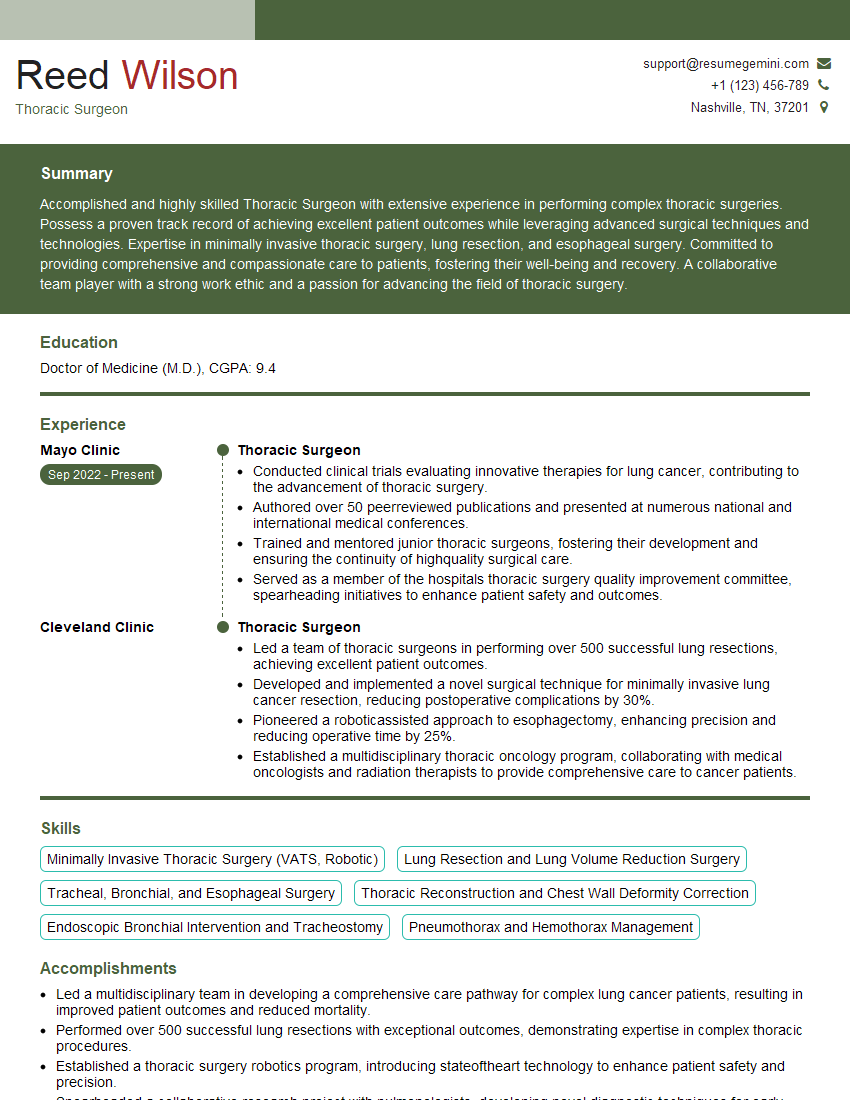
Mastering Pleural Effusion and Empyema Management is crucial for career advancement in pulmonology and critical care. A strong understanding of these conditions demonstrates expertise and enhances your value to any healthcare team. To maximize your job prospects, creating an ATS-friendly resume is vital. ResumeGemini is a trusted resource to help you build a professional and effective resume that highlights your skills and experience. Examples of resumes tailored to Pleural Effusion and Empyema Management are available to help guide you.


Explore more articles
Users Rating of Our Blogs
Share Your Experience
We value your feedback! Please rate our content and share your thoughts (optional).
What Readers Say About Our Blog
To the interviewgemini.com Webmaster.
Very helpful and content specific questions to help prepare me for my interview!
Thank you
To the interviewgemini.com Webmaster.
This was kind of a unique content I found around the specialized skills. Very helpful questions and good detailed answers.
Very Helpful blog, thank you Interviewgemini team.