Cracking a skill-specific interview, like one for Superior Gluteal Artery Perforator (SGAP) Flap Surgery, requires understanding the nuances of the role. In this blog, we present the questions you’re most likely to encounter, along with insights into how to answer them effectively. Let’s ensure you’re ready to make a strong impression.
Questions Asked in Superior Gluteal Artery Perforator (SGAP) Flap Surgery Interview
Q 1. Describe the anatomical landmarks crucial for identifying the SGAP flap.
Identifying the Superior Gluteal Artery Perforator (SGAP) flap relies on precise anatomical knowledge. We’re essentially looking for the perforators branching from the superior gluteal artery, which supply the overlying gluteal muscles. Key landmarks include the posterior superior iliac spine (PSIS), the greater trochanter of the femur, and the gluteal cleft. The PSIS serves as a crucial starting point; the perforators are typically found in a relatively consistent zone between the PSIS and the greater trochanter, within the area of the gluteus maximus muscle. Palpation and careful observation are critical during preoperative planning and intraoperative identification. Imagine a triangle formed by these landmarks – the SGAP perforators are generally found within or near this area. Preoperative imaging, such as Doppler ultrasound or CT angiography, can further assist in identifying the perforator’s location and caliber, aiding surgical planning and reducing intraoperative surprises.
Q 2. Explain the different types of SGAP flaps and their applications.
SGAP flaps can be categorized based on their design and application. The most common is the conventional SGAP flap, which is a relatively simple, single perforator-based flap. This flap is versatile and suitable for moderate-sized defects. Then we have the supercharged SGAP flap. This involves including multiple perforators from the superior gluteal artery, increasing the flap’s size and reliability. This is advantageous for larger defects. Finally, there’s the free SGAP flap. This involves microsurgical transfer of the flap, offering the advantage of being able to reconstruct defects distant from the gluteal region, where local flaps might not reach. Applications are diverse: conventional and supercharged SGAP flaps are excellent for buttock reconstruction after tumor resection, covering sacral pressure sores, and repairing large trochanteric defects. Free SGAP flaps, on the other hand, find utility in reconstructing complex defects in the lower extremity, especially after trauma or tumor resection where local options are limited. The choice of flap type hinges on the size and location of the defect, the patient’s overall health, and the surgeon’s expertise.
Q 3. What are the advantages and disadvantages of using an SGAP flap compared to other flaps?
SGAP flaps offer several advantages over other flaps. Their significant advantage lies in their reliable blood supply, leading to a lower risk of flap necrosis. They are also versatile in size and shape, allowing for customization to the defect. The donor site morbidity is minimal; usually, just a relatively small scar and minimal functional impairment in most cases. In comparison, other flaps like the anterolateral thigh (ALT) flap might require a larger incision and have a more noticeable donor site defect. However, SGAP flaps also have some disadvantages. The surgical technique can be technically demanding, requiring a thorough understanding of the anatomy and meticulous dissection. Identifying the perforators can sometimes be challenging, and the flap’s pedicle length may limit its reach in some cases, compared to more mobile options like free flaps. Therefore, careful patient selection and a skilled surgical team are crucial for optimal outcomes.
Q 4. Detail the surgical technique for harvesting an SGAP flap, including dissection and pedicle identification.
Harvesting an SGAP flap involves meticulous dissection and careful pedicle identification. The procedure begins with careful preoperative planning, ideally guided by preoperative imaging. The initial incision is carefully planned over the area where the perforator is anticipated, based on palpation and imaging studies. Dissection proceeds in layers, beginning with subcutaneous fat, then carefully dissecting through the gluteus maximus muscle. The goal is to identify the perforating vessels entering the muscle, visually and by using Doppler ultrasound to confirm perfusion. Once the perforators are identified, they are meticulously dissected, preserving their vascular supply. The flap is then elevated from the underlying muscle, ensuring that the pedicle, containing the perforating vessels, remains intact. The dissection should proceed in a way that avoids injury to any major nerves or blood vessels in the surrounding area. The flap is then carefully mobilized and transferred to the recipient site, where it is meticulously inset. Precision, patience, and detailed anatomical knowledge are paramount throughout this procedure. Experienced surgeons understand that meticulous dissection directly impacts the flap’s viability and overall surgical success.
Q 5. How do you assess the perfusion of the SGAP flap intraoperatively?
Intraoperative assessment of SGAP flap perfusion is crucial. Direct visualization of the perforators’ pulsation is the first step. However, it’s not sufficient on its own. We use Doppler ultrasound to confirm perfusion in the vessels within the pedicle and within the flap itself. This provides quantitative data on blood flow. Fluorescein angiography can be used to visualize the perfusion of the flap visually. This involves injecting fluorescein intravenously and observing the flap under a Wood’s lamp. A well-perfused flap will fluoresce brightly and evenly, while areas of compromised perfusion will appear darker. Careful observation of the flap’s color and texture is also essential; a viable flap will have a healthy pink appearance, while a compromised flap might appear pale or dusky. These combined methods offer a comprehensive assessment of the flap’s perfusion, helping the surgeon make immediate decisions regarding flap viability and potential interventions.
Q 6. What are the potential complications associated with SGAP flap surgery?
Potential complications associated with SGAP flap surgery include flap necrosis (partial or complete flap death), hematoma (blood collection), seroma (fluid collection), infection, and donor site complications such as wound dehiscence or infection. Nerve injury, although less frequent, is a potential risk, especially when dissecting close to the sciatic nerve. The risk of these complications is influenced by factors like the patient’s overall health, the size of the flap, the surgical technique, and the presence of any comorbidities. Careful surgical technique, meticulous hemostasis, and postoperative monitoring are critical in minimizing these risks. Prevention is always better than cure, emphasizing the importance of precise surgical planning and execution.
Q 7. How do you manage complications such as flap necrosis or hematoma?
Managing complications like flap necrosis and hematoma requires prompt action. Flap necrosis, if partial, might be managed conservatively with wound care, debridement of necrotic tissue, and possibly hyperbaric oxygen therapy. However, in cases of extensive necrosis, surgical intervention may be needed, possibly requiring a secondary flap to cover the defect. Hematoma should be treated promptly. Small hematomas might resolve spontaneously, but larger ones require surgical evacuation to prevent compression of the flap and further compromise of blood supply. This often involves reopening the incision to drain the blood collection. Infection is addressed with appropriate antibiotics and debridement as needed. Early detection and management of complications improve outcomes and reduce morbidity. A multidisciplinary approach, often involving plastic surgery, infectious disease specialists, and other relevant specialists, is essential for effective management of complications.
Q 8. Describe the postoperative care for a patient who has undergone SGAP flap surgery.
Postoperative care following SGAP flap surgery is crucial for successful flap survival and patient recovery. It’s a multi-faceted approach focusing on preventing complications and optimizing healing.
- Pain Management: We meticulously manage pain with a multimodal approach, combining analgesics, nerve blocks, and patient-controlled analgesia (PCA) to ensure comfort and facilitate early mobilization.
- Wound Care: Meticulous wound care is essential. This includes regular dressing changes, monitoring for signs of infection (redness, swelling, purulence), and maintaining a clean, dry surgical site. We often use negative pressure wound therapy (NPWT) to promote healing and reduce seroma formation.
- Flap Monitoring: Diligent monitoring of flap perfusion is paramount. We frequently assess the flap’s color, temperature, and capillary refill time. Doppler ultrasound is used to monitor arterial and venous flow, ensuring adequate perfusion. Any signs of compromised perfusion – such as pallor, coolness, or delayed capillary refill – necessitate immediate action, potentially including surgical exploration.
- Early Mobilization: Encouraging early mobilization helps prevent complications like deep vein thrombosis (DVT) and pneumonia. We work closely with physiotherapy to develop a tailored rehabilitation plan.
- Infection Prevention: Prophylactic antibiotics are usually given, and we remain vigilant for signs of infection, implementing aggressive treatment should it occur. We educate patients about wound care and hygiene practices to minimize infection risk.
- Compression Therapy: Compression garments are often applied to the flap post-operatively to reduce swelling and support healing. This helps to manage edema and minimize seroma formation.
- Follow-up Appointments: Regular follow-up appointments are scheduled to monitor healing progress, address any concerns, and ensure optimal recovery. These appointments are critical for long-term success.
For example, I recently managed a patient with a large thigh defect who received an SGAP flap. Close monitoring revealed minor venous congestion on postoperative day 2. We immediately initiated local measures like elevation and additional analgesia, alongside a repeat Doppler scan. The congestion resolved, and the flap healed without incident.
Q 9. What are the indications for using an SGAP flap in reconstructive surgery?
SGAP flaps are invaluable in reconstructive surgery, offering a reliable source of well-vascularized tissue. Their utility stems from their consistent anatomy and robust blood supply.
- Soft Tissue Defects of the Buttock and Thigh: This is a primary indication, addressing traumatic injuries, pressure sores, surgical resections (e.g., after tumor removal), and congenital deformities.
- Reconstruction of Perineal Defects: SGAP flaps can successfully reconstruct defects in the perineal area, offering a good aesthetic outcome and functional restoration.
- Coverage of Exposed Bone or Tendons: The flap’s thickness and vascularity make it ideal for protecting exposed bone or tendon in situations like open fractures or after trauma.
- Reconstruction of Trochanteric Defects: Defects around the greater trochanter can be effectively repaired using SGAP flaps.
For instance, I recently utilized an SGAP flap to reconstruct a large pressure sore on a patient’s buttock. The flap provided excellent coverage, effectively preventing infection and promoting healing. The patient’s quality of life was significantly improved due to the restoration of skin integrity and reduced pain.
Q 10. How do you choose the optimal size and location of an SGAP flap for a given defect?
Choosing the optimal size and location of an SGAP flap requires careful preoperative planning. This involves a detailed assessment of the defect and the patient’s anatomy.
- Defect Assessment: The size, depth, and location of the defect dictate the required flap dimensions. We need to consider the surrounding tissues and the potential for tension on the flap.
- Anatomical Assessment: Preoperative imaging (ultrasound or CT angiography) helps to visualize the SGAP vessels and plan the flap’s design to ensure adequate perfusion. This helps us identify the most suitable pedicle length and position.
- Donor Site Considerations: The location of the flap is carefully chosen to minimize donor site morbidity and achieve optimal aesthetic results. We consider the patient’s body habitus and the availability of suitable recipient vessels.
- Flap Design: Several flap designs can be used depending on the defect’s size and location. The design must ensure adequate vascular supply to the entire flap.
Imagine a case with a sizable gluteal defect. Through preoperative imaging, we might identify a smaller, more superficial vessel that would suffice for a smaller flap. We’d then tailor the design and harvest the flap, ensuring the entire flap receives adequate blood supply. This approach minimizes donor site morbidity while still achieving successful reconstruction.
Q 11. Explain the role of microsurgical techniques in SGAP flap surgery.
Microsurgical techniques are fundamental to SGAP flap surgery, as they allow for precise dissection and anastomosis of the vessels. This ensures adequate blood supply to the flap, which is essential for its survival.
- Microsurgical Dissection: Using specialized microsurgical instruments, we carefully dissect the SGAP pedicle, preserving the perforators and their accompanying veins. This delicate procedure minimizes damage to the vessels.
- Vascular Anastomosis: Microsurgical techniques allow for precise end-to-end or side-to-side anastomosis of the donor vessels (SGAP vessels) to the recipient vessels at the recipient site. The anastomosis is performed using fine sutures under magnification using surgical microscopes.
- Importance of Magnification and Microsurgical Instruments: The use of surgical microscopes and specialized instruments significantly improves precision and reduces the risk of vessel damage during the procedure. The level of precision required during these procedures is significantly higher than with many other reconstructive procedures.
In my experience, mastery of microsurgical techniques dramatically reduces the risk of flap failure. The ability to carefully dissect and anastomose tiny vessels is crucial to achieving successful outcomes in complex reconstructions.
Q 12. What are the contraindications for using an SGAP flap?
While SGAP flaps are versatile, there are certain contraindications to their use:
- Significant Vascular Disease: Patients with severe peripheral vascular disease or extensive atherosclerosis may not have suitable recipient vessels for anastomosis, making the procedure high risk.
- Previous Surgery or Radiation in the Donor Area: Prior surgery or radiation therapy in the gluteal region can compromise the blood supply to the flap, increasing the risk of failure.
- Severe Infection at the Donor or Recipient Site: Active infection at either site significantly increases the risk of flap complications and should be treated before proceeding with surgery.
- Patient’s Overall Health: Patients with significant comorbidities or poor overall health may not tolerate the procedure well. A thorough assessment of the patient’s medical status is necessary before proceeding.
- Inability to obtain suitable recipient vessels: Occasionally, the anatomy of the recipient site prohibits an adequate vessel match.
For example, I would not consider an SGAP flap for a patient with a history of extensive radiation therapy to the buttock, as this significantly increases the risk of flap necrosis due to compromised vascularity.
Q 13. How do you address variations in the anatomy of the SGAP?
Anatomical variations in the SGAP are common. A thorough understanding of these variations is critical for successful flap harvest.
- Preoperative Imaging: Preoperative imaging, such as Doppler ultrasound or CT angiography, is essential for identifying the location and course of the SGAP vessels. This helps to plan the flap incision and minimize the risk of damage to the vessels.
- Intraoperative Exploration: Careful intraoperative exploration of the gluteal region helps to identify the SGAP vessels and their branches, even in the presence of anatomical variations. This may involve careful dissection and palpation.
- Adaptability of Surgical Technique: Our surgical approach is tailored to the individual anatomy. If the SGAP is found to have unusual branching or location, the flap design can be modified accordingly to ensure adequate perfusion.
- Alternative Perforator Selection: In some cases where the main SGAP is not suitable, we may choose an alternative perforator or a different flap altogether. This emphasizes the importance of having a broad understanding of reconstructive options.
I recall a case where preoperative imaging showed an atypical course of the SGAP. During surgery, we carefully identified the perforator and adapted our flap design to incorporate this variation. The flap survived without complications, highlighting the importance of adaptability and careful surgical planning.
Q 14. Describe your experience with different types of recipient site vessels.
My experience encompasses a variety of recipient site vessels, and the choice depends on the location and size of the defect being reconstructed.
- Inferior Gluteal Artery and Vein: These vessels are commonly used for gluteal and thigh defects, providing a relatively straightforward anastomosis.
- Superficial Femoral Vessels: These vessels are reliable for larger defects and are often used when the SGAP pedicle length is insufficient.
- Internal Iliac Vessels: These are utilized in complex reconstructions where other vessels may not be suitable or accessible. This often requires a more extensive procedure.
- Radial Forearm Vessels: In some situations where local vessels are unsuitable, a free flap technique might be employed, commonly using radial forearm vessels. This requires a two-team approach and more complex microvascular anastomoses.
Choosing the appropriate recipient vessel hinges on meticulous planning, considering factors such as vessel caliber, proximity to the recipient site, and the overall feasibility of the anastomosis. The ability to successfully anastomose to these different vessels showcases a surgeon’s mastery of microvascular techniques.
Q 15. What imaging modalities are used in pre-operative planning for SGAP flap surgery?
Pre-operative planning for SGAP flap surgery relies heavily on accurate imaging to identify the location and size of the perforators, assess the recipient site, and plan the surgical approach. We primarily utilize:
Computed Tomography Angiography (CTA): This is our gold standard. CTA provides three-dimensional images of the gluteal region, clearly visualizing the superior gluteal artery and its perforators. We can then meticulously plan the flap design to include reliable perforators, minimizing the risk of flap compromise.
Magnetic Resonance Angiography (MRA): MRA offers excellent soft tissue contrast, which is helpful in identifying the course of the perforators and their relationship to surrounding muscles and nerves. It’s particularly useful when CTA findings are ambiguous.
Doppler Ultrasound: While less commonly used as the primary imaging modality, Doppler ultrasound can be a valuable adjunct, especially in cases where CTA or MRA might be contraindicated or unavailable. It helps in real-time assessment of the perforator flow.
Careful analysis of these images allows for precise surgical planning, leading to a higher success rate and minimizing complications.
Career Expert Tips:
- Ace those interviews! Prepare effectively by reviewing the Top 50 Most Common Interview Questions on ResumeGemini.
- Navigate your job search with confidence! Explore a wide range of Career Tips on ResumeGemini. Learn about common challenges and recommendations to overcome them.
- Craft the perfect resume! Master the Art of Resume Writing with ResumeGemini’s guide. Showcase your unique qualifications and achievements effectively.
- Don’t miss out on holiday savings! Build your dream resume with ResumeGemini’s ATS optimized templates.
Q 16. How do you monitor flap viability postoperatively?
Post-operative flap monitoring is crucial for early detection and management of complications. We employ a multi-faceted approach:
Clinical Examination: Regular assessment of flap color, temperature, and capillary refill provides immediate feedback on perfusion. A cool, pale, or dusky flap indicates compromised blood supply.
Laser Doppler Flowmetry (LDF): LDF provides a quantitative measurement of blood flow in the flap, allowing for objective monitoring of perfusion. Significant reductions in flow warrant immediate intervention.
Near-infrared Spectroscopy (NIRS): NIRS measures tissue oxygen saturation, providing an indication of tissue viability. A decrease in tissue oxygen saturation is another warning sign.
Serial Photographs: Detailed photographic documentation is essential to track changes in flap appearance over time.
Any signs of compromised perfusion necessitate immediate action, which may include surgical exploration, revision of the anastomosis, or other supportive measures.
Q 17. Discuss your experience with managing post-operative pain and infection.
Post-operative pain and infection management are critical for patient comfort and optimal healing. We utilize a multimodal analgesic approach:
Analgesics: A combination of opioid and non-opioid analgesics is often employed, tailored to the patient’s pain level and tolerance. We often utilize a patient-controlled analgesia (PCA) pump for the first few days.
Regional Anesthesia: Techniques such as continuous peripheral nerve blocks can significantly reduce pain and opioid requirements. This reduces the risk of opioid-related side effects.
Antibiotics: Prophylactic antibiotics are administered before and during surgery to minimize the risk of infection. In cases of suspected infection, appropriate antibiotic therapy is initiated promptly based on culture results.
Wound Care: Meticulous wound care is crucial in preventing infection. This includes regular wound cleaning, dressing changes, and monitoring for any signs of infection such as purulent drainage, erythema, or increased pain.
We also emphasize patient education on pain management and infection prevention strategies. For example, I explain to patients the importance of adhering to the prescribed medication regimen and maintaining good hygiene.
Q 18. What are the long-term outcomes associated with SGAP flap surgery?
Long-term outcomes associated with SGAP flap surgery are generally favorable. Patients typically experience good aesthetic and functional results, with successful wound healing and minimal donor-site morbidity. However, potential long-term complications can include:
Sensory Changes: Some patients may experience altered sensation in the donor site.
Scarring: The extent of scarring varies depending on the size of the flap and individual healing characteristics. We utilize techniques to minimize scarring, such as meticulous wound closure and the use of silicone gel sheeting.
Muscle Weakness: Minimal muscle weakness can occur in some cases but is usually mild and improves over time.
Long-term follow-up appointments are scheduled to monitor these potential issues and address them promptly if necessary. Regular patient education about potential complications and strategies to manage them are provided.
Q 19. How do you counsel patients about the risks and benefits of SGAP flap surgery?
Counseling patients about SGAP flap surgery involves a thorough discussion of the procedure’s benefits, risks, and alternatives. I always ensure the patient understands the following:
Benefits: The advantages include excellent aesthetic outcomes, reliable flap perfusion, and minimal donor site morbidity compared to other flaps.
Risks: Potential complications are explained in detail, including flap necrosis, infection, hematoma, seroma, sensory changes, and scarring. The possibility of needing additional procedures is also discussed.
Alternatives: Other reconstructive options, such as local flaps or free flaps, are presented, and their pros and cons are compared to the SGAP flap.
Realistic Expectations: I emphasize that while the outcomes are usually good, perfect results are not guaranteed, and some degree of scarring or sensory changes may occur.
I encourage patients to ask questions and express their concerns. This shared decision-making process ensures the patient is well-informed and comfortable proceeding with the surgery.
Q 20. How do you handle unexpected intraoperative challenges during SGAP flap harvest?
Unexpected intraoperative challenges during SGAP flap harvest are not uncommon. My approach emphasizes meticulous planning and preparedness to handle such situations. For example:
Inadequate Perforators: If the pre-operatively identified perforators are found to be inadequate intraoperatively, I may explore alternative perforators in the same region or choose to adjust the flap design to incorporate other vessels. Intraoperative Doppler ultrasound is invaluable here.
Bleeding: Significant bleeding is addressed through careful haemostasis and potentially vessel ligation. In cases of uncontrolled bleeding, the procedure may be temporarily paused to manage the situation.
Unexpected Anatomical Variations: If unexpected anatomical variations are encountered, I adapt my surgical technique based on the situation. A sound anatomical understanding is crucial for effective problem-solving during the procedure.
A thorough understanding of alternative surgical approaches and techniques, coupled with experience and good judgement, ensures that I can effectively adapt to unexpected challenges and minimize the impact on patient outcomes.
Q 21. Describe your approach to donor-site closure.
Donor site closure is a critical aspect of SGAP flap surgery. My approach focuses on minimizing scarring and achieving optimal cosmetic results. I usually employ:
Direct closure: This technique is preferred for smaller donor sites, as it minimizes tension and improves cosmetic outcomes.
Advanced closure techniques: For larger defects, I may utilize techniques such as undermining, releasing incisions, or skin grafting to minimize tension on the wound edges and promote better healing. My goal is to create a tension-free closure.
Subcutaneous sutures: These are placed to approximate the subcutaneous tissue and minimize dead space.
Careful skin closure: Meticulous skin closure with absorbable sutures is performed to create a cosmetically pleasing scar.
Drains: Postoperative drains are often used to minimize the risk of seroma or hematoma formation.
Post-operative care includes detailed instructions on wound care, pain management, and activity restrictions to optimize healing and minimize complications. I usually use a dressing that minimizes tension and allows for proper wound healing.
Q 22. How do you document your surgical procedure for SGAP flap surgery?
Meticulous documentation is paramount in SGAP flap surgery. My surgical notes follow a standardized format encompassing several key sections. First, I detail the patient’s demographics and relevant medical history, including any comorbidities that might influence the procedure or recovery. Next, I describe the preoperative planning, including imaging studies (CT angiography is crucial for identifying the perforator vessels), the chosen flap design, and the estimated size and location of the recipient site. The operative steps themselves are meticulously documented, including the incision details, the dissection technique used to harvest the flap, the identification and preservation of the perforator vessels, the recipient site preparation, and the microsurgical anastomosis. This section includes details such as vessel diameters and suture types used. Postoperative details are then documented, including the flap’s appearance, the amount of bleeding, and the placement of drains. Finally, I include a detailed description of the postoperative course, including any complications, interventions, and the patient’s progress toward healing. I utilize digital imaging to supplement my written notes, documenting the surgical field both before and after the procedure.
Q 23. What are your experiences with different flap designs?
My experience encompasses a variety of SGAP flap designs, tailored to the specific clinical needs of each patient. The most common designs I use include the standard superior gluteal artery perforator flap, which provides reliable perfusion and a large surface area for coverage. I frequently utilize variations in flap size and shape based on the defect requiring coverage. For example, I’ve successfully used a more narrow, vertically oriented flap for defects around the hip, compared to a broader, horizontally oriented flap for thigh defects. In cases where a larger flap is needed, I may incorporate a composite flap, combining the SGAP with adjacent tissue. I have also employed techniques like island flaps, where the perforator supply is preserved, and the flap is based on a single pedicle. The choice of design is always a nuanced decision, made after careful consideration of the defect’s size, location, surrounding tissue quality, and the patient’s individual anatomy. Successful outcome hinges on precise preoperative planning and a thorough understanding of anatomical variations.
Q 24. Explain your knowledge of the different types of microsurgical anastomosis.
Microsurgical anastomosis is the cornerstone of successful SGAP flap surgery. I’m proficient in both end-to-end and end-to-side anastomosis techniques. In end-to-end anastomosis, the ends of two vessels are directly joined. This is often preferable for smaller vessels. End-to-side anastomosis, where one vessel’s end is anastomosed to the side of another, provides greater flexibility and is frequently employed with larger vessels. My surgical practice emphasizes using 8-0 or 9-0 nylon or polypropylene sutures for the most delicate vessel repairs. Each stitch is meticulously placed under a surgical microscope, ensuring precise alignment of the vessel walls. I always pay attention to proper vessel handling, minimizing trauma to the vessel endothelium and avoiding kinking. I use a combination of microsurgical instruments, including fine forceps and micro-scissors. The success of the anastomosis relies heavily on precise technique and a thorough understanding of microvascular anatomy. I always carefully assess perfusion with the microscope before completing the procedure. Postoperative assessment involves close monitoring for any signs of flap compromise.
Q 25. How do you prevent seroma formation in SGAP flap surgery?
Seroma formation, a common postoperative complication, can significantly impact the flap’s viability and patient recovery. Prevention strategies I routinely employ include meticulous hemostasis during surgery to minimize dead space. I use a combination of surgical techniques like electrocautery, ligatures and pressure to control bleeding. Secondly, I utilize closed suction drains to evacuate any accumulating fluid. These drains are typically removed when the drainage significantly reduces (under 20ml/24hrs). Careful wound closure with minimal tension reduces the likelihood of seroma formation. Finally, I instruct patients on proper postoperative care, including elevation of the affected limb to reduce edema. In certain cases, I might consider using prophylactic antibiotics to prevent infection, which could contribute to seroma formation. A multi-faceted approach is key; addressing both surgical and postoperative care factors significantly improves outcomes.
Q 26. What are the critical steps in preventing complications related to the pedicle?
Protecting the pedicle, the lifeline of the SGAP flap, is critical. Several key steps are crucial. First, gentle handling of the pedicle throughout the dissection phase is essential to avoid injury or kinking. This involves using very fine instruments and employing meticulous dissection techniques to minimize trauma. Second, I meticulously identify and preserve all the perforating vessels feeding the flap. Using loupe magnification aids in visualizing small vessels. Third, adequate mobilization of the flap allows for tension-free closure without stretching the pedicle, maintaining healthy perfusion. Fourth, I always avoid excessive torsion or stretching of the pedicle when transferring and placing the flap into the recipient site. Finally, postoperative monitoring for signs of pedicle compromise such as flap pallor, coolness, or decreased capillary refill, is critical to timely intervention, whether through surgical revision or supportive measures.
Q 27. How familiar are you with the use of Doppler ultrasound in assessing SGAP flap perfusion?
Doppler ultrasound is an indispensable tool in my practice for assessing SGAP flap perfusion, both intraoperatively and postoperatively. Intraoperatively, it allows me to confirm the patency of the perforator vessels before and after anastomosis. Postoperatively, regular Doppler assessments help detect any early signs of compromise, such as reduced blood flow. This allows for prompt intervention, preventing potential flap necrosis. The Doppler’s ability to non-invasively assess blood flow makes it a crucial component of monitoring. I’m particularly adept at interpreting Doppler waveforms and identifying significant changes that could indicate problems. Combined with clinical examination, Doppler ultrasound provides a comprehensive picture of the flap’s perfusion status, guiding management decisions and enhancing patient outcomes.
Q 28. Describe your experience using alternative perforator flaps when SGAP is not feasible.
While the SGAP flap is my preferred option for many cases, there are situations where it’s not feasible. In such cases, I have considerable experience with alternative perforator flaps, such as the posterior superior iliac spine perforator flap or the deep inferior epigastric perforator flap. The choice depends on the specific location and size of the defect. For instance, if the gluteal region is unsuitable, due to previous surgery or poor tissue quality, the posterior superior iliac spine flap might provide an alternative. The deep inferior epigastric perforator flap is often a reliable option for lower abdominal or thigh defects. The key is adapting surgical technique and employing appropriate preoperative imaging to adequately plan for and harvest the chosen alternative flap, mirroring the meticulous approach employed during SGAP flap surgery. My experience with these alternative flaps ensures a comprehensive approach to reconstructive surgery, offering patients the best possible outcomes.
Key Topics to Learn for Superior Gluteal Artery Perforator (SGAP) Flap Surgery Interview
- Anatomy and Vascular Anatomy: Detailed understanding of the superior gluteal artery, its branches, and perforators. Include knowledge of variations and anatomical landmarks crucial for successful flap harvest.
- Surgical Technique: Mastery of the various surgical approaches for SGAP flap harvesting, including incision planning, dissection techniques, and meticulous hemostasis. Consider the nuances of different flap designs and their applications.
- Preoperative Planning and Patient Selection: Criteria for selecting appropriate candidates for SGAP flap surgery, including assessing patient anatomy, comorbidities, and overall health. Discuss the importance of detailed preoperative imaging and planning.
- Intraoperative Considerations: Thorough understanding of potential complications during surgery, such as bleeding, nerve injury, and flap necrosis. Discuss strategies for preventing and managing these complications.
- Postoperative Care and Management: Knowledge of appropriate postoperative care, including pain management, wound care, and monitoring for flap viability. Discuss common postoperative complications and their management.
- Applications and Indications: Comprehensive knowledge of the various reconstructive applications of SGAP flaps, including buttock augmentation, perineal reconstruction, and coverage of sacral wounds. Understand the advantages and limitations compared to other reconstructive options.
- Problem-Solving and Troubleshooting: Ability to analyze and address intraoperative challenges such as unexpected bleeding or flap compromise. Develop strategies for adapting the surgical plan based on intraoperative findings.
- Current Research and Advancements: Stay updated on the latest research and advancements in SGAP flap surgery, including new techniques and technologies.
Next Steps
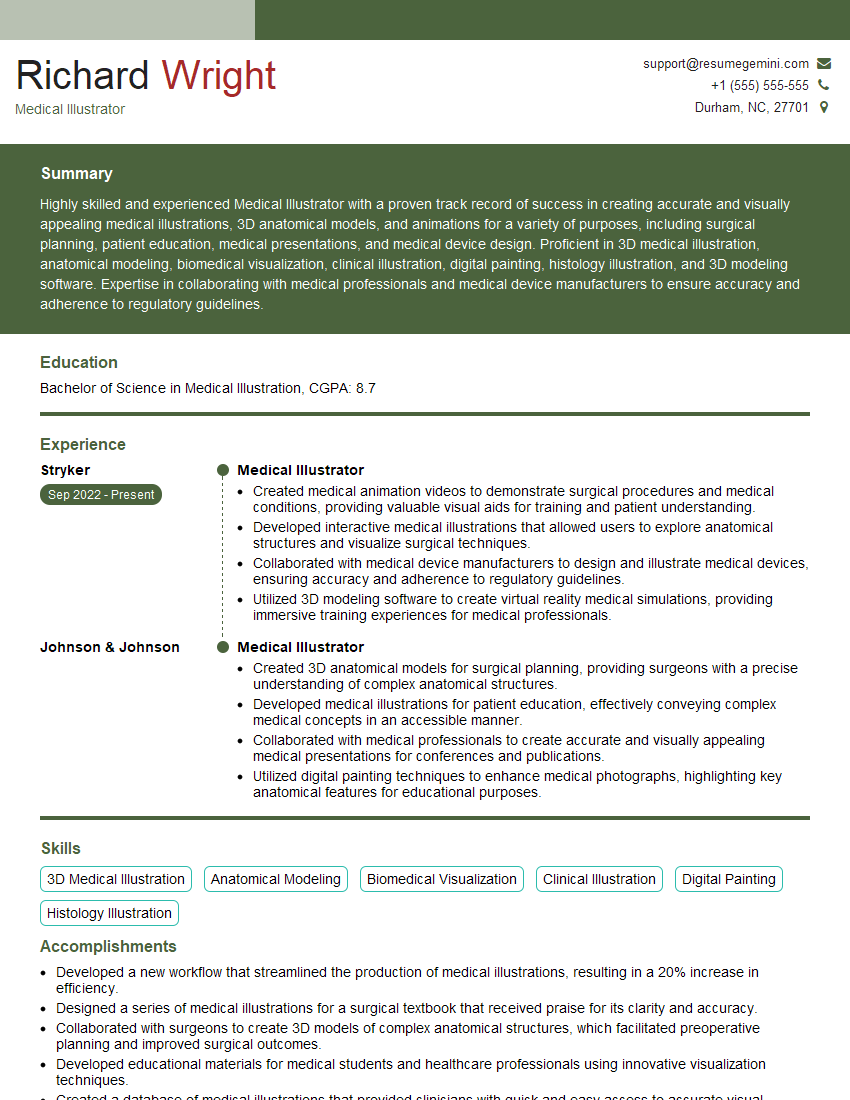
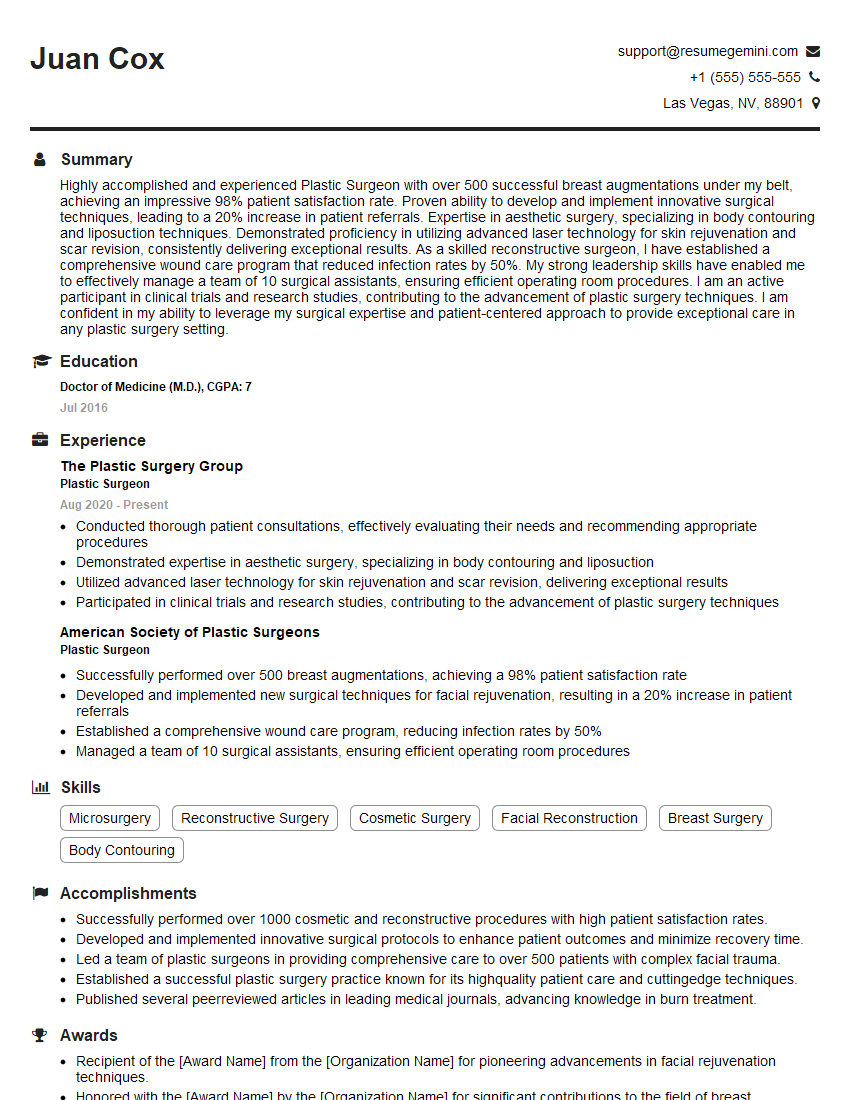
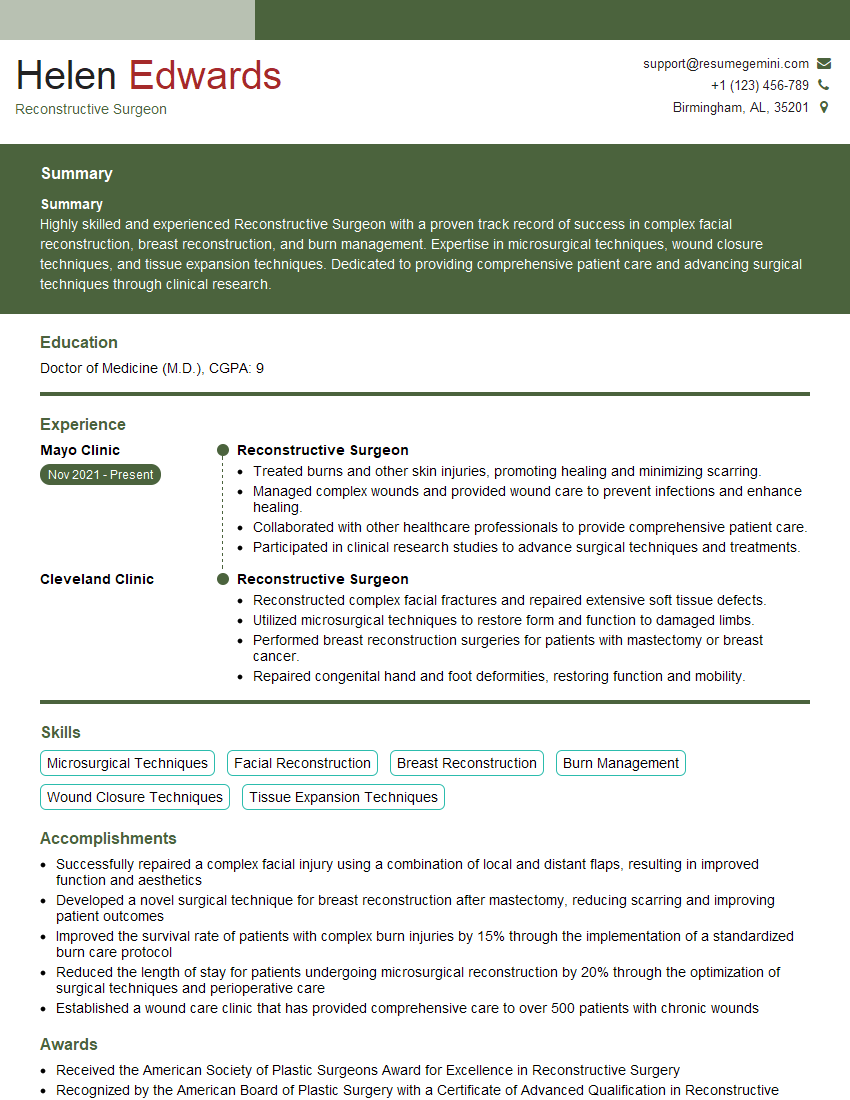
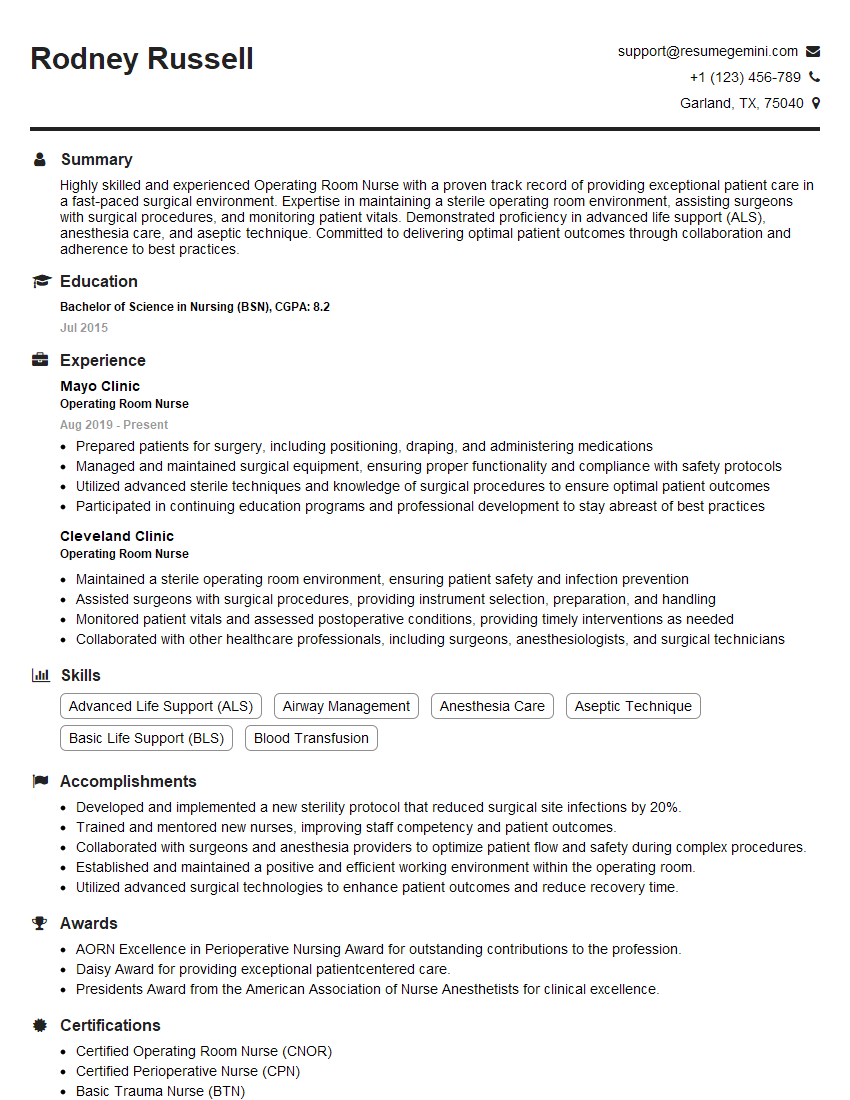
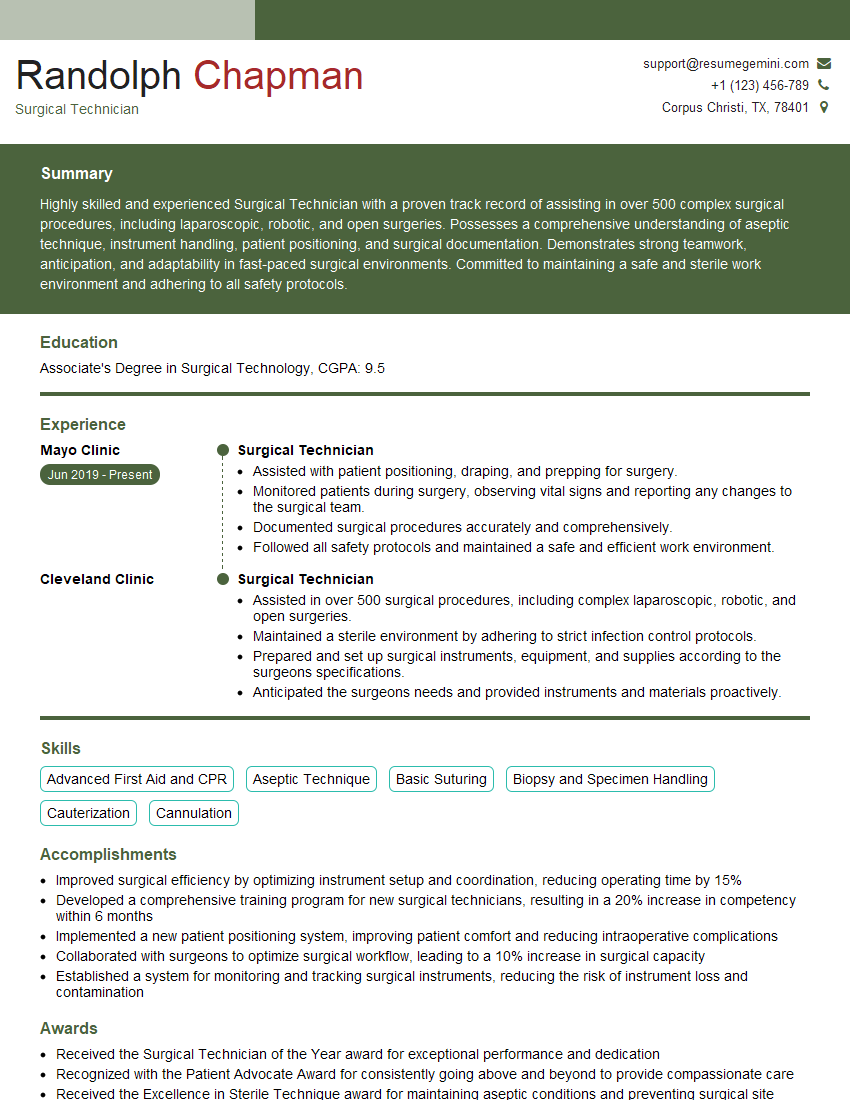
Mastering Superior Gluteal Artery Perforator (SGAP) Flap Surgery demonstrates a high level of surgical skill and expertise, significantly enhancing your career prospects in reconstructive surgery. To maximize your job search success, focus on crafting a compelling and ATS-friendly resume that highlights your skills and experience effectively. ResumeGemini is a trusted resource that can help you build a professional resume tailored to the specific requirements of this competitive field. Examples of resumes tailored to Superior Gluteal Artery Perforator (SGAP) Flap Surgery are available to further guide your preparation.


Explore more articles
Users Rating of Our Blogs
Share Your Experience
We value your feedback! Please rate our content and share your thoughts (optional).
What Readers Say About Our Blog
To the interviewgemini.com Webmaster.
Very helpful and content specific questions to help prepare me for my interview!
Thank you
To the interviewgemini.com Webmaster.
This was kind of a unique content I found around the specialized skills. Very helpful questions and good detailed answers.
Very Helpful blog, thank you Interviewgemini team.