Preparation is the key to success in any interview. In this post, we’ll explore crucial Thoracic Endovascular Aortic Repair (TEVAR) interview questions and equip you with strategies to craft impactful answers. Whether you’re a beginner or a pro, these tips will elevate your preparation.
Questions Asked in Thoracic Endovascular Aortic Repair (TEVAR) Interview
Q 1. Describe the indications for TEVAR.
TEVAR, or Thoracic Endovascular Aortic Repair, is a minimally invasive procedure used to treat a variety of aortic diseases. Its primary indications revolve around addressing aneurysms and dissections in the thoracic aorta – the part of the aorta running through the chest. Think of the aorta as the body’s main highway; when a section weakens and balloons out (aneurysm) or tears (dissection), it risks rupturing, a life-threatening event. TEVAR is designed to prevent this.
- Thoracic Aortic Aneurysms (TAA): This is the most common indication. TAAs are weakening and bulging of the aortic wall, putting patients at risk of rupture. TEVAR is particularly useful for aneurysms located in areas difficult to surgically repair traditionally (e.g., those involving the aortic arch).
- Thoracic Aortic Dissections (TAD): These are tears in the inner lining of the aorta, allowing blood to flow between layers of the aortic wall. TEVAR can help stabilize the dissection by excluding the false lumen (the space created by the tear) and reducing the risk of rupture or further dissection.
- Traumatic Aortic Injury: In cases of blunt chest trauma, a tear in the aorta can occur. TEVAR can be a life-saving intervention to repair this injury.
- Aortic Rupture (in select cases): While primarily preventative, TEVAR can sometimes be used to stabilize a ruptured aorta, giving the patient a chance for survival.
The specific indications are determined based on the patient’s overall health, the location and size of the aneurysm or dissection, and the presence of any associated conditions.
Q 2. Explain the contraindications for TEVAR.
Contraindications to TEVAR are factors that increase the risk of the procedure or make it unsuitable. These fall into several categories:
- Significant comorbidities: Patients with severe heart, lung, or kidney disease may not tolerate the procedure well. A severely compromised patient might not survive the procedure.
- Inadequate landing zones: TEVAR requires suitable areas (landing zones) above and below the aneurysm or dissection to securely place the stent-graft. If the aorta is too tortuous or calcified, or has significant narrowing, it may not be possible to achieve adequate fixation.
- Significant aortic arch involvement: Complex aortic arch aneurysms often require more extensive surgical repair and may not be suitable for TEVAR.
- Active infection: Any active infection can significantly increase the risk of complications.
- Uncontrolled bleeding disorders: These would greatly increase the risk of bleeding during and after the procedure.
- Inability to tolerate anticoagulation: TEVAR often requires blood thinners (anticoagulation), so patients with conditions preventing this are usually poor candidates.
Careful evaluation of these factors is critical before proceeding with TEVAR. The decision to proceed often involves a multidisciplinary team, including vascular surgeons, interventional cardiologists, and anesthesiologists, weighing the risks and benefits for each individual patient.
Q 3. What are the different types of TEVAR devices available?
Several types of TEVAR devices are available, primarily differing in their design and features. The choice of device depends on the specifics of the aortic anatomy and the surgeon’s preference.
- Fenestrated and Branched Stent-grafts: These are designed for complex aneurysms involving the major branches of the aorta (e.g., the carotid arteries). They have openings (fenestrations) or side branches to allow blood flow to these vessels.
- Covered Stent-grafts: These are the most common type, completely covering the aneurysm or dissection, preventing blood flow into the weakened area.
- Uncovered Stent-grafts: These are less commonly used in TEVAR, providing structural support without complete exclusion of the aneurysm sac.
The specific features of the stent-grafts can also vary, including the material, diameter, length, and delivery system. Choosing the right device is a crucial aspect of a successful TEVAR procedure and requires careful pre-operative planning and imaging.
Q 4. How is patient selection for TEVAR determined?
Patient selection for TEVAR is a rigorous process, aiming to identify candidates who will benefit most while minimizing the risk of complications. This often involves a detailed evaluation of several factors.
- Imaging studies: Detailed CT scans and/or MRIs of the aorta are crucial for assessing the size, location, and morphology of the aneurysm or dissection. These images determine whether a patient has an appropriate landing zone for the stent graft.
- Clinical evaluation: A comprehensive medical history and physical exam assess the patient’s overall health, identifying comorbidities that may increase surgical risk.
- Vascular access: Suitable arterial access sites (usually the femoral artery) are essential for delivering the stent-graft. The quality of the vessels must be assessed.
- Multidisciplinary team discussion: The decision about whether TEVAR is appropriate is usually made collaboratively by a team, balancing the risk of the procedure against the risk of managing the aortic disease conservatively. This decision accounts for the patient’s quality of life and life expectancy.
- Patient preferences: The patient’s wishes and understanding of the risks and benefits are paramount. Shared decision-making is crucial.
A patient might be deemed unsuitable for TEVAR if the risks outweigh the potential benefits. This could be due to severe comorbidities, unsuitable aortic anatomy, or other factors that could lead to a higher chance of complications.
Q 5. Outline the steps involved in a typical TEVAR procedure.
A typical TEVAR procedure involves several key steps:
- Pre-operative planning: This includes detailed imaging studies, thorough patient evaluation, and selection of the appropriate stent-graft.
- Anesthesia: General anesthesia is usually administered.
- Arterial access: A small incision is made in the groin to access the femoral artery.
- Sheath insertion: A catheter (sheath) is advanced into the femoral artery and up to the thoracic aorta.
- Stent-graft delivery: The chosen stent-graft is carefully positioned in the aorta using fluoroscopy (real-time X-ray imaging) and advanced to the target location.
- Deployment: Once positioned correctly, the stent-graft is deployed, expanding to conform to the aorta.
- Confirmation of placement: Post-deployment imaging (fluoroscopy and/or CT) is used to confirm its correct placement and exclude any leaks.
- Sheath removal: The catheter is then removed, and the arterial access site is closed.
The entire procedure is carefully monitored, and the team is prepared to manage any potential complications. Post-procedure care focuses on careful monitoring of the patient’s vital signs, pain management, and wound care.
Q 6. What are the potential complications of TEVAR?
TEVAR, while minimally invasive, is not without potential complications. These can be broadly classified as:
- Stent-graft related: These include stent-graft migration, kinking, or fracture; endoleak (leakage of blood around the stent-graft); or limb occlusion (blocking of blood flow to branches of the aorta).
- Procedural related: These include vascular access complications (e.g., bleeding, pseudoaneurysm formation at the puncture site), stroke, spinal cord ischemia, or renal failure.
- Late complications: These can arise months or years after the procedure and include endoleaks, aneurysm expansion, or stent-graft failure.
- Other complications: Complications related to anesthesia or other medical conditions can also occur.
The risk of these complications depends on several factors, including the patient’s overall health, the complexity of the aortic anatomy, and the experience of the surgical team. Minimizing these risks requires meticulous pre-operative planning, careful device selection, and skilled technical execution.
Q 7. How is post-operative management of TEVAR patients handled?
Post-operative management of TEVAR patients focuses on careful monitoring and prevention of complications. Immediate post-operative care involves:
- Intensive care unit (ICU) monitoring: Patients are usually monitored in the ICU for several hours or days, closely observing vital signs, urine output, and neurological function.
- Pain management: Pain control is essential to ensure patient comfort and promote early mobilization.
- Hemodynamic monitoring: Blood pressure and other hemodynamic parameters are monitored closely to detect any signs of instability.
- Wound care: The arterial access site is closely monitored for bleeding or infection.
- Anticoagulation management: Patients typically receive anticoagulation therapy to prevent thrombosis (blood clot formation).
Following discharge, patients require regular follow-up imaging studies (CT scans) to assess stent-graft integrity and monitor for any complications. Lifelong follow-up care is crucial to ensure the long-term success of the procedure and prompt management of any potential complications. This includes regular check-ups with the vascular surgeon, adherence to medication protocols and, if needed, lifestyle modifications.
Q 8. Describe the imaging modalities used to assess TEVAR outcomes.
Assessing TEVAR outcomes relies heavily on imaging. We use a combination of modalities to visualize the aorta and stent graft, ensuring successful deployment and identifying any complications.
- Computed Tomography Angiography (CTA): This is the workhorse of TEVAR post-operative imaging. CTA provides detailed three-dimensional images of the aorta, allowing us to assess stent graft position, patency, and the presence of endoleaks (leakage of blood around the stent graft). We can also evaluate the surrounding tissues and organs.
- Magnetic Resonance Angiography (MRA): MRA offers an excellent alternative to CTA, particularly in patients with contraindications to contrast media. Its advantages include the absence of ionizing radiation and superior soft tissue contrast. However, it’s more susceptible to motion artifacts.
- Transesophageal Echocardiography (TEE): TEE is useful for real-time assessment during the procedure, offering immediate feedback on stent graft deployment and detection of any immediate complications, like dissection extension or perforation.
- Conventional Angiography: While less frequently used now due to the prevalence of CTA and MRA, conventional angiography remains valuable in certain situations, such as guiding interventional procedures to address endoleaks.
For example, a post-operative CTA showing a type II endoleak (leakage at the connection between the stent graft and the native aorta) would prompt further investigation and potential intervention to prevent aneurysm expansion.
Q 9. How do you manage Type A aortic dissection?
Managing a Type A aortic dissection, involving the ascending aorta, is a surgical emergency. Delay can be fatal. The primary treatment is immediate surgery, typically involving replacement of the ascending aorta and aortic valve (if necessary). This is an open surgical procedure.
There’s no room for delay because the dissection can rapidly extend, leading to catastrophic events like aortic rupture, cardiac tamponade (fluid buildup around the heart), stroke, or myocardial infarction (heart attack). The surgical approach, precise techniques, and the use of cardiopulmonary bypass are all critical factors. Post-operative care focuses on intensive hemodynamic monitoring and management of potential complications.
Q 10. How do you manage Type B aortic dissection?
Type B aortic dissections involve the descending aorta and are generally managed medically initially. Close monitoring of blood pressure, heart rate, and aortic dimensions are paramount. Medical management aims to reduce aortic wall stress and allow the dissection to thrombose (blood clot formation). This often involves beta-blockers to lower blood pressure and control heart rate. Pain management is crucial as well.
Surgical or endovascular intervention is considered when there is ongoing dissection expansion, impending rupture, or organ malperfusion (reduced blood flow to organs). TEVAR is often the preferred intervention in these cases, allowing for targeted repair of the involved aortic segment with minimal invasiveness compared to open surgery.
For instance, a patient presenting with persistent chest pain and an expanding descending thoracic aortic dissection may be a candidate for TEVAR to stabilize the aorta and prevent rupture. The decision is based on careful clinical evaluation, imaging studies, and a multidisciplinary team approach.
Q 11. What are the key differences between open surgical repair and TEVAR for aortic aneurysms?
Open surgical repair and TEVAR both aim to treat aortic aneurysms but differ significantly in their approach. Open surgery involves a large incision in the chest, opening the aorta to directly repair the aneurysm. TEVAR, on the other hand, is a minimally invasive procedure where a stent graft is deployed through a catheter inserted into a blood vessel in the groin. This stent graft lines the aneurysm sac, excluding it from the blood flow and preventing rupture.
- Incision Size: Open surgery requires a large incision, leading to significant pain, longer recovery times, and a higher risk of infection.
- Surgical Trauma: TEVAR minimizes surgical trauma, resulting in less pain, shorter hospital stays, and faster recovery.
- Complexity: Open surgery is a more complex procedure requiring extensive surgical expertise.
- Patient Selection: Patient suitability depends on several factors, including aneurysm location, morphology, and overall patient health. Certain aneurysm types and patient conditions may make TEVAR unsuitable.
Imagine repairing a garden hose with a hole. Open surgery would be like cutting the hose open, patching the hole, and resealing the cut. TEVAR is more like sliding a new sleeve over the damaged section of the hose, excluding the damaged area from the flow of water.
Q 12. Explain the concept of endoleaks and their classification.
Endoleaks are a significant complication of TEVAR. They represent persistent blood flow into the aneurysm sac after stent graft deployment, potentially leading to aneurysm expansion and rupture. There are several types, classified based on their location and cause:
- Type I: Leakage at either end of the stent graft, due to incomplete sealing. Type Ia originates at the proximal end, while Type Ib is at the distal end.
- Type II: Leakage through the pores of the stent graft fabric. Often considered less critical, but still needs monitoring.
- Type III: Leakage due to a defect in the stent graft itself. Can be associated with modular stent graft components.
- Type IV: Leakage from the aneurysm neck through small vessels. Often less worrisome but requires monitoring.
- Type V: Endotension, which is not a true endoleak but an increase in pressure within the aneurysm sac. Considered to be an indicator of potential future rupture.
The classification is crucial because it guides management strategies. For instance, type I endoleaks typically require immediate intervention.
Q 13. How are endoleaks diagnosed and managed?
Endoleaks are diagnosed primarily through post-operative imaging, typically CTA. The imaging will show contrast medium flowing into the aneurysm sac outside the stent graft, indicating the presence and type of endoleak. The location and characteristics shown on the imaging allow the team to determine the classification.
Management depends on the endoleak type. Type I endoleaks usually necessitate urgent intervention, often through endovascular techniques like coil embolization (placing small metal coils to block the leak) or surgical repair. Type II endoleaks are often monitored closely. They may resolve spontaneously or require intervention if the aneurysm sac continues to expand. Type III endoleaks generally require surgical repair or replacement of the faulty stent graft component. Type IV endoleaks are usually monitored conservatively, while Type V usually calls for aggressive blood pressure and heart rate management.
Q 14. What are the long-term risks and complications associated with TEVAR?
TEVAR, while less invasive than open surgery, carries long-term risks and complications:
- Endoleaks: As previously discussed, these are a major concern and can lead to aneurysm expansion and rupture.
- Stent graft migration or fracture: The stent graft can move or break, requiring further intervention.
- Aortic dissection extension: Although rare, the procedure may sometimes lead to further extension of an existing dissection.
- Renal artery occlusion: Damage to the renal arteries can lead to kidney dysfunction.
- Spinal cord ischemia: Compromised blood flow to the spinal cord can result in paralysis.
- Infection: Infection at the access site is a possibility.
Long-term follow-up with regular imaging studies is crucial to detect and manage these potential complications. The ultimate goal is to minimize risks through meticulous pre-operative planning, precise stent graft deployment, and vigilant post-operative monitoring.
For example, a patient who experiences back pain months after TEVAR may prompt investigation for spinal cord ischemia. Regular imaging surveillance is critical in detecting these potential problems before they become life-threatening.
Q 15. Describe your experience with using different types of endografts.
My experience encompasses a wide range of endografts used in TEVAR, from the earliest generation devices to the latest innovations. I’ve extensively utilized fenestrated and branched endografts for complex aortic pathologies involving visceral vessel involvement, as well as tailored endografts for specific anatomical challenges. I’m familiar with various manufacturers’ offerings, including those with different graft materials (e.g., Dacron, polyester), delivery systems, and deployment mechanisms. For example, I’ve successfully used Cook Zenith, Medtronic Endurant, and Gore Excluder endografts, each with their unique strengths and weaknesses regarding flexibility, sealing properties, and ease of deployment depending on the patient’s specific anatomy. My selection of a particular endograft is highly individualized and driven by the pre-operative imaging and the unique characteristics of the patient’s aorta.
Choosing the right endograft is like selecting the right tool for a complex repair – the wrong choice can lead to complications. One case I recall involved a patient with a severely tortuous aorta and a significant type B dissection. A highly flexible endograft with a low profile delivery system was crucial for successful navigation and deployment without causing further trauma to the aortic wall. Conversely, in another case, a patient with a relatively straightforward aneurysm benefited from a more rigid endograft for optimal sealing and long-term stability.
Career Expert Tips:
- Ace those interviews! Prepare effectively by reviewing the Top 50 Most Common Interview Questions on ResumeGemini.
- Navigate your job search with confidence! Explore a wide range of Career Tips on ResumeGemini. Learn about common challenges and recommendations to overcome them.
- Craft the perfect resume! Master the Art of Resume Writing with ResumeGemini’s guide. Showcase your unique qualifications and achievements effectively.
- Don’t miss out on holiday savings! Build your dream resume with ResumeGemini’s ATS optimized templates.
Q 16. How do you assess the suitability of a patient for TEVAR based on their anatomy?
Assessing patient suitability for TEVAR involves a meticulous evaluation of their aortic anatomy using high-resolution imaging, primarily CT angiography. We carefully assess several key parameters:
- Aneurysm size and location: The size, shape, and location of the aneurysm must be suitable for endograft placement, considering the proximity of branch vessels and the overall length of the diseased segment.
- Target landing zones: Adequate proximal and distal landing zones are essential for secure endograft fixation. These zones are regions of the aorta with a normal diameter and sufficient length to allow for stable graft deployment and prevent migration or endoleak.
- Branch vessel involvement: The relationship between the aneurysm and branch vessels (renal, mesenteric, iliac arteries) dictates whether a standard, fenestrated, or branched endograft is necessary. Fenestrated and branched endografts allow for preservation of branch vessels, which is crucial in many patients.
- Aortic morphology: The presence of tortuosity, kinking, thrombus, calcification, or other anatomical abnormalities can significantly affect endograft deployment and outcome. These factors can increase the risk of complications.
- Patient-specific factors: These include overall health, comorbidities (e.g., renal insufficiency, bleeding disorders), and other factors that might influence surgical risk and patient tolerance of the procedure.
Essentially, we’re looking for a good ‘fit’ between the patient’s anatomy and the available endograft technology. Detailed pre-operative planning is crucial to increase the likelihood of a successful outcome.
Q 17. What are the challenges in performing TEVAR in complex aortic anatomies?
TEVAR in complex aortic anatomies presents several significant challenges. These include:
- Difficult endograft deployment: Severe aortic tortuosity, kinking, or angulation can make endograft delivery and placement extremely difficult, potentially requiring specialized delivery systems or techniques.
- Increased risk of endoleaks: Complex anatomy can compromise endograft sealing, leading to endoleaks (blood leakage around the graft). Different types of endoleaks (Type I-V) require different management strategies.
- Branch vessel occlusion: Damage or occlusion of branch vessels during endograft deployment can result in organ ischemia, especially affecting the kidneys or intestines. This necessitates careful planning and potentially the use of fenestrated or branched endografts.
- Limited landing zones: The lack of adequate proximal or distal landing zones can hinder secure endograft fixation, potentially leading to migration or displacement.
- Compromised graft sealing: The presence of thrombus or calcification within the aorta may hamper the endograft’s ability to create a satisfactory seal, leading to increased risk of endoleaks.
These challenges require significant expertise, meticulous pre-operative planning, and sometimes the use of advanced imaging and endovascular techniques. In some cases, conventional open surgical repair might be a more appropriate approach.
Q 18. How do you manage complications during a TEVAR procedure?
Managing complications during a TEVAR procedure is critical. These complications can be immediate or delayed. Immediate complications include:
- Endoleaks: Detected by post-operative angiography, endoleaks are managed based on their type. Type I and III endoleaks often require immediate intervention. Type II endoleaks may be observed initially, but persistent enlargement warrants intervention. Type IV and V leaks, related to graft design, often require different approaches, including re-intervention or surveillance.
- Branch vessel occlusion: Immediate intervention may be required using balloon angioplasty or stenting if a major branch vessel is occluded. In some cases, surgery may be necessary.
- Paralysis or spinal cord ischemia: This is a rare but serious complication that necessitates rapid action. Monitoring during and after the procedure is crucial to detect any neurological deficits.
- Rupture of the aorta: In the event of aortic rupture during the procedure, immediate surgical intervention is typically required.
Delayed complications include delayed endoleaks, graft migration, and pseudoaneurysm formation. Regular follow-up imaging is necessary to detect and manage these issues. Management strategies vary depending on the nature and severity of the complication and involve either endovascular or surgical approaches.
Q 19. What are the key elements of perioperative care for TEVAR patients?
Perioperative care for TEVAR patients involves a multidisciplinary approach with close monitoring and management across various phases:
- Preoperative optimization: This includes optimizing the patient’s medical condition, addressing any comorbidities, and providing adequate pre-operative education about the procedure and potential risks.
- Intraoperative management: This involves meticulous monitoring of vital signs, blood pressure, and neurological function during the procedure, with prompt attention to any complications.
- Postoperative monitoring: Close monitoring of vital signs, renal function, and neurological status is crucial in the post-operative period. Pain management and prevention of complications like infection are also vital.
- Anticoagulation management: Appropriate anticoagulation or antiplatelet therapy is needed to prevent thrombotic events while minimizing bleeding risks. This requires careful management and titration based on individual patient needs.
- Rehabilitation: Post-operative rehabilitation focuses on restoring the patient’s mobility and functional independence, ensuring a smooth transition back to their normal activities.
A close collaboration between the interventional team, surgeons, anesthesiologists, nurses, and other healthcare professionals is essential for ensuring the best possible outcomes for TEVAR patients.
Q 20. What are the criteria for discharge of a patient after TEVAR?
Discharge criteria for TEVAR patients depend on their overall clinical condition and the absence of any immediate postoperative complications. Generally, patients are considered for discharge when they meet the following criteria:
- Hemodynamic stability: Stable blood pressure and heart rate.
- Stable renal function: No significant impairment of kidney function.
- Absence of major bleeding or infection: No signs of significant bleeding or infection at the access site or elsewhere.
- Adequate pain control: Effective pain management allowing for comfortable mobility.
- Ability to manage their medications and follow up care instructions: Demonstrated understanding of the medication regimen and follow-up appointments.
- Stable neurological status: No evidence of new neurological deficits.
- Absence of significant endoleaks: Post-procedural imaging demonstrating satisfactory endograft sealing and absence of significant endoleaks.
The specific criteria may vary depending on individual patient circumstances, and a multidisciplinary team makes the decision in order to ensure safe and successful discharge and transition to outpatient care. Regular follow-up appointments are essential for long-term monitoring and management.
Q 21. Discuss your experience in using image guidance during TEVAR.
Image guidance is indispensable during TEVAR procedures, significantly improving the safety and efficacy of the procedure. I extensively use both fluoroscopy and rotational angiography (3D imaging) to guide catheter navigation, endograft placement, and assessment of results. Fluoroscopy provides real-time, two-dimensional images, which are crucial for guiding the catheter and endograft through the tortuous aortic anatomy. The use of roadmapping helps us visualize the path and placement of the endograft within the aorta. This is especially important during cases with complex anatomical variations.
Rotational angiography (3D reconstruction) provides a comprehensive, three-dimensional view of the aorta, allowing for precise pre-operative planning and real-time assessment of endograft deployment. It allows us to visualize the relationship between the endograft and branch vessels, assess endograft sealing, and detect endoleaks. This detailed imaging is often used in conjunction with pre-operative CT scans to make sure the endograft perfectly fits the aortic anatomy and to improve accuracy.
In challenging cases, like those with severe aortic tortuosity or fenestrated/branched endografts, 3D imaging is crucial to ensure that the endograft is precisely deployed and avoids compromising branch vessels. It helps us to fine-tune the procedure intraoperatively, reducing the risk of complications and improving the outcome. It is an indispensable tool and a significant contributor to the success rate of complex TEVAR procedures.
Q 22. Explain your understanding of the role of adjunctive devices in TEVAR.
Adjunctive devices in TEVAR play a crucial role in improving the success and safety of the procedure. These aren’t core components of the endograft itself, but rather tools and techniques that enhance deployment, sealing, and overall outcome. Think of them as supportive players on a surgical team.
Embolic Protection Devices: These devices, positioned upstream of the repair site, capture debris that might dislodge during the procedure and cause stroke or other complications. This is especially important in treating aneurysms near major branches of the aorta.
Balloon-Expandable Stents: These can be used to pre-dilate the landing zones for the endograft, creating a more ideal environment for deployment and sealing. This is particularly helpful in tortuous or calcified vessels.
Covered Stents: In some cases, a covered stent might be deployed before or after the main endograft to seal specific branches or side branches that may have been excluded from the main repair zone.
Guidewires: Specialized guidewires are essential for navigating the tortuous aortic anatomy and precisely delivering the endograft to its target location.
For instance, in a patient with a challenging aortic anatomy and a high risk of distal embolization, we would likely utilize an embolic protection system in conjunction with the TEVAR procedure. The careful selection and use of these adjunctive devices can significantly impact the final outcome and reduce perioperative complications.
Q 23. How do you monitor patients post-TEVAR to detect complications?
Post-TEVAR monitoring is critical for early detection and management of potential complications. This is a multi-faceted approach starting in the immediate post-operative period and continuing for months afterwards.
Intensive Care Unit (ICU) Monitoring: In the ICU, we closely monitor vital signs (heart rate, blood pressure, oxygen saturation), urine output (assessing kidney function), and neurologic status, looking for signs of stroke, spinal cord ischemia, or other complications.
Imaging: Post-operative CT scans are essential for confirming endograft position and patency, assessing for endoleak (leakage of blood around the endograft), and detecting any complications like organ injury or dissection.
Clinical Assessment: Regular physical examinations are performed to assess pain, limb pulses (to check for limb ischemia), and overall well-being.
Laboratory Tests: Blood tests are used to monitor for signs of infection, bleeding, and organ dysfunction.
Long-term Follow-up: Patients are scheduled for regular CT scans and clinical visits for several years post-TEVAR to monitor for late complications such as endoleak formation or graft migration.
Imagine a patient who presents with sudden back pain after TEVAR. This might indicate a spinal cord ischemia or aortic rupture. Immediate intervention is crucial. That’s why vigilant monitoring throughout the perioperative period and long-term follow up is essential.
Q 24. What are the latest advancements in TEVAR technology?
TEVAR technology is constantly evolving, driven by the need for improved outcomes and reduced invasiveness. Some of the key advancements include:
Branching Endografts: These devices are designed to cover the aneurysm while preserving blood flow to vital branches of the aorta, such as the renal, visceral, and celiac arteries. This avoids the need for separate procedures and minimizes procedural risks.
Fenestrated and Branched Endografts: These highly sophisticated devices are used for complex aneurysms involving significant branch vessels. They contain strategically placed fenestrations or branches that allow for selective deployment of smaller covered stents into the main visceral and renal vessels.
Self-Expanding Endografts: These offer better conformability to the aortic anatomy and can be deployed more easily in tortuous vessels compared to balloon-expandable designs.
Improved Imaging Techniques: Advancements in CT and other imaging modalities enable more precise pre-operative planning and improved intra-operative guidance, minimizing the risk of complications.
Minimally Invasive Approaches: The techniques are constantly refined to reduce the invasiveness of the procedure, leading to less trauma, faster recovery times, and improved patient comfort.
For instance, the development of fenestrated endografts has revolutionized the treatment of complex thoracoabdominal aneurysms that were previously considered inoperable or only treatable through open surgery. This has significantly improved the survival rates for patients with such aneurysms.
Q 25. How do you choose the appropriate endograft size and type for a specific patient?
Choosing the appropriate endograft size and type is a critical step that involves careful pre-operative planning. It’s not a simple matter of picking a size off the shelf; rather, it requires a detailed analysis of several factors.
Aortic Anatomy: A precise measurement of the aortic diameter and length at the planned landing zones is crucial. We use 3D-CT angiography to create precise models of the aorta.
Aneurysm Morphology: The shape and extent of the aneurysm influence the endograft design and size needed for complete exclusion.
Branch Vessel Involvement: If major branch vessels are involved, a customized endograft—such as a fenestrated or branched endograft—might be necessary. The precise location and diameter of branch vessels determine appropriate stent-graft configuration.
Patient-Specific Factors: Patient factors like height, weight, and overall health status also influence the decision.
Endograft Type: The choice between self-expanding and balloon-expandable endografts depends on the aortic anatomy and the surgeon’s preference. Self-expanding devices are easier to deploy in curved vessels.
Consider a patient with a short neck aneurysm. In this situation, a longer endograft may be needed to ensure adequate sealing, even if it extends slightly beyond the desired target. This precise pre-operative planning minimizes the need for subsequent interventions and improves the chance of a successful procedure.
Q 26. Describe your experience in managing patients with chronic kidney disease undergoing TEVAR.
Managing patients with chronic kidney disease (CKD) undergoing TEVAR requires a multidisciplinary approach, as CKD significantly increases the risks associated with the procedure and the post-operative period. This involves heightened awareness and careful management of potential complications.
Pre-operative Optimization: We focus on optimizing renal function as much as possible before surgery. This involves managing hypertension, adjusting medications, and possibly performing dialysis if necessary.
Contrast Use: CKD patients are at increased risk of contrast-induced nephropathy (CIN), so we aim to minimize contrast volume during the procedure and use appropriate pre- and post-contrast hydration strategies. In some cases, we might consider non-ionic contrast media or alternative imaging methods to reduce contrast load.
Close Monitoring: Post-operative monitoring is even more critical in these patients. We closely monitor serum creatinine and other markers of kidney function. Close collaboration with nephrologists is essential.
Medication Management: Careful management of antiplatelet and anticoagulation medications is necessary to minimize bleeding risks, while still maintaining adequate protection against thromboembolic complications.
For instance, a patient with moderate CKD might require extra dialysis sessions pre- and post-TEVAR, along with meticulous hydration to reduce the risk of CIN. Pre-operative assessment and optimization of renal function and close collaboration with the nephrology team are critical to minimizing post-operative complications and maximizing patient outcome.
Q 27. How do you counsel patients about the risks and benefits of TEVAR?
Counseling patients about the risks and benefits of TEVAR is a crucial aspect of informed consent. It’s not simply a presentation of facts, but a collaborative conversation that ensures the patient fully understands their options and can make an informed decision.
Explanation of the Disease: Begin by clearly explaining the nature of their aortic aneurysm, its potential complications, and the risks associated with leaving it untreated.
Discussion of TEVAR: Provide a comprehensive explanation of the TEVAR procedure, including its benefits (reduced mortality, less invasive than open surgery), potential risks (endoleak, stroke, spinal cord ischemia, organ injury, death), and recovery process. Use clear, non-technical language.
Alternative Treatments: Discuss alternative treatment options, if any, and compare their benefits and risks to TEVAR. Open surgical repair is an alternative, though significantly more invasive.
Personalized Risk Assessment: Based on the patient’s specific condition and risk factors, provide a realistic assessment of the likelihood of success and potential complications for this particular case.
Addressing Patient Concerns: Encourage questions and actively address all patient concerns and anxieties regarding the procedure. Allow ample time for discussion and emotional support.
For instance, I might explain that while TEVAR offers a less invasive approach with a shorter recovery time, there is still a chance of complications, which I detail clearly. The conversation is tailored to the individual patient’s understanding and level of anxiety.
Q 28. Describe your approach to patient education and shared decision-making before and after TEVAR.
Patient education and shared decision-making are paramount, forming the cornerstone of our approach to TEVAR. This is a continuous process that begins before the procedure and extends throughout the patient’s recovery.
Pre-operative Education: This involves detailed explanations of the procedure, potential risks and benefits, and realistic expectations of recovery. We use visual aids like anatomical diagrams and videos to improve understanding.
Shared Decision-Making: We encourage patients to actively participate in the decision-making process. This involves presenting them with all available options, discussing the pros and cons of each, and helping them choose the treatment plan that best aligns with their values and preferences.
Post-operative Education: After the procedure, we provide detailed instructions on wound care, medication management, activity restrictions, and signs and symptoms to watch out for. We encourage regular follow-up visits and ongoing communication.
Support Resources: We connect patients with support groups and resources to address any emotional or psychological challenges associated with their condition and the procedure.
Ongoing Communication: Open and honest communication is maintained throughout the entire process, ensuring that patients feel informed and empowered.
Imagine a patient who is hesitant about TEVAR due to fears of complications. We take time to address these fears, using evidence-based data and patient stories to provide context and reassurance. Shared decision-making ensures the patient feels confident and in control of their own care.
Key Topics to Learn for Thoracic Endovascular Aortic Repair (TEVAR) Interview
- Aortic Anatomy and Pathology: Thorough understanding of the thoracic aorta, its branches, and common pathologies leading to TEVAR procedures (e.g., aneurysms, dissections).
- TEVAR Procedure: Detailed knowledge of the steps involved in a TEVAR procedure, including pre-operative planning, intra-operative techniques, and post-operative care.
- Endovascular Devices and Techniques: Familiarity with various endografts, delivery systems, and imaging modalities used during TEVAR (e.g., CT angiography, fluoroscopy).
- Patient Selection and Risk Assessment: Understanding criteria for patient selection, including evaluating suitability and identifying potential risks and complications.
- Complications and Management: Knowledge of common complications associated with TEVAR (e.g., endoleak, migration, limb thrombosis) and strategies for their management.
- Post-Operative Monitoring and Follow-up: Understanding the importance of post-operative surveillance, including imaging techniques and clinical assessment to detect complications.
- Emerging Techniques and Technologies: Awareness of advancements in TEVAR technology and techniques, demonstrating a commitment to continuous learning.
- Ethical and Legal Considerations: Understanding the ethical implications of TEVAR and relevant legal aspects related to informed consent and patient safety.
- Case Studies and Problem Solving: Ability to analyze hypothetical scenarios, interpret imaging data, and develop appropriate treatment plans.
Next Steps
Mastering Thoracic Endovascular Aortic Repair (TEVAR) is crucial for career advancement in interventional cardiology and vascular surgery. A strong understanding of these complex procedures demonstrates expertise and opens doors to exciting opportunities. To maximize your job prospects, it’s essential to present your skills effectively. Creating an ATS-friendly resume is key to getting your application noticed. We strongly recommend using ResumeGemini to build a professional and impactful resume that highlights your TEVAR expertise. ResumeGemini provides examples of resumes tailored to Thoracic Endovascular Aortic Repair (TEVAR) to help guide you.
Program Manager Resume Sample

Clinical Trials Manager Resume Sample
Regulatory Affairs Specialist Resume Sample
Healthcare Consultant Resume Sample
Medical Physicist Resume Sample
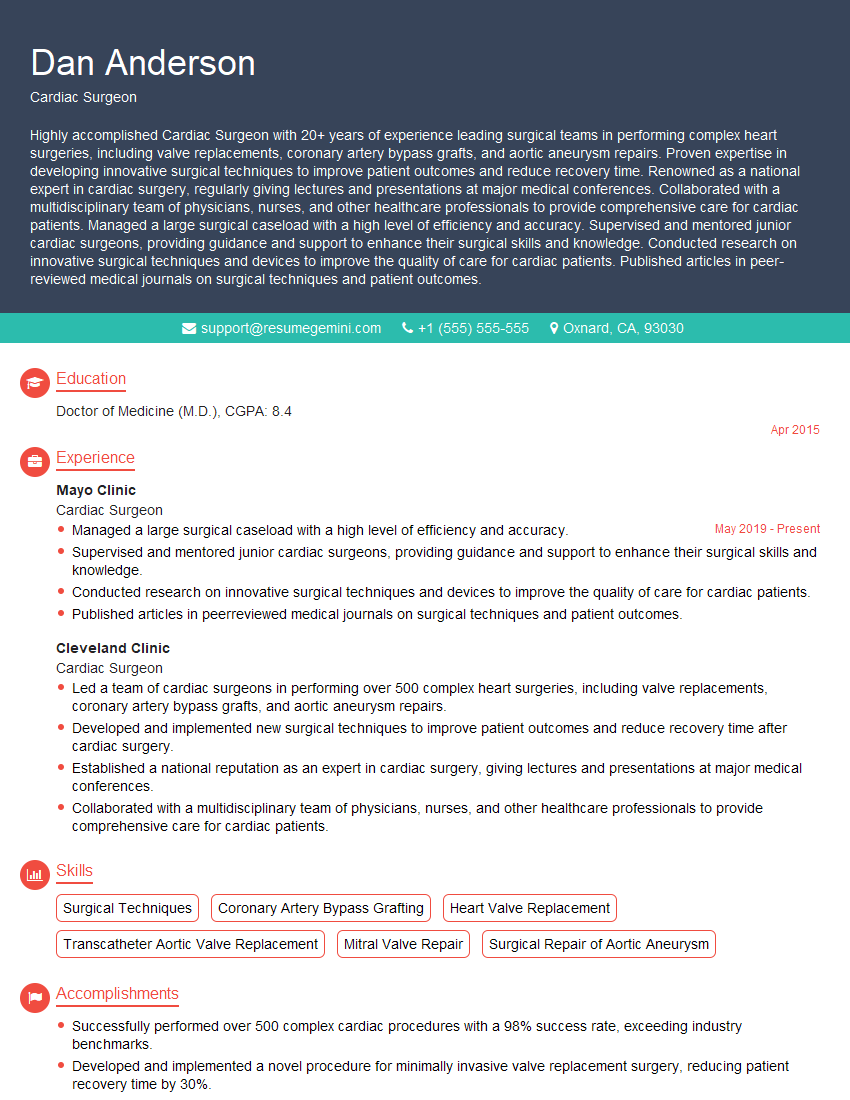
Cardiac Surgeon Resume Sample
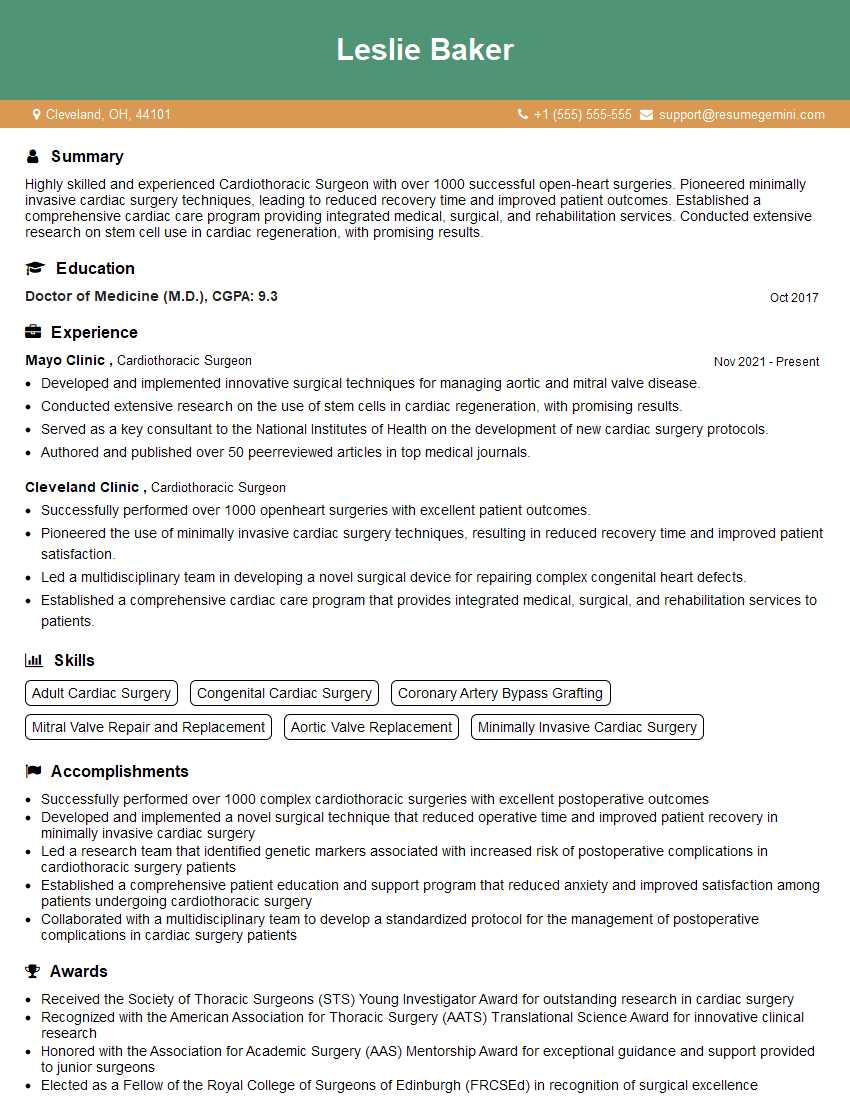
Cardiothoracic Surgeon Resume Sample
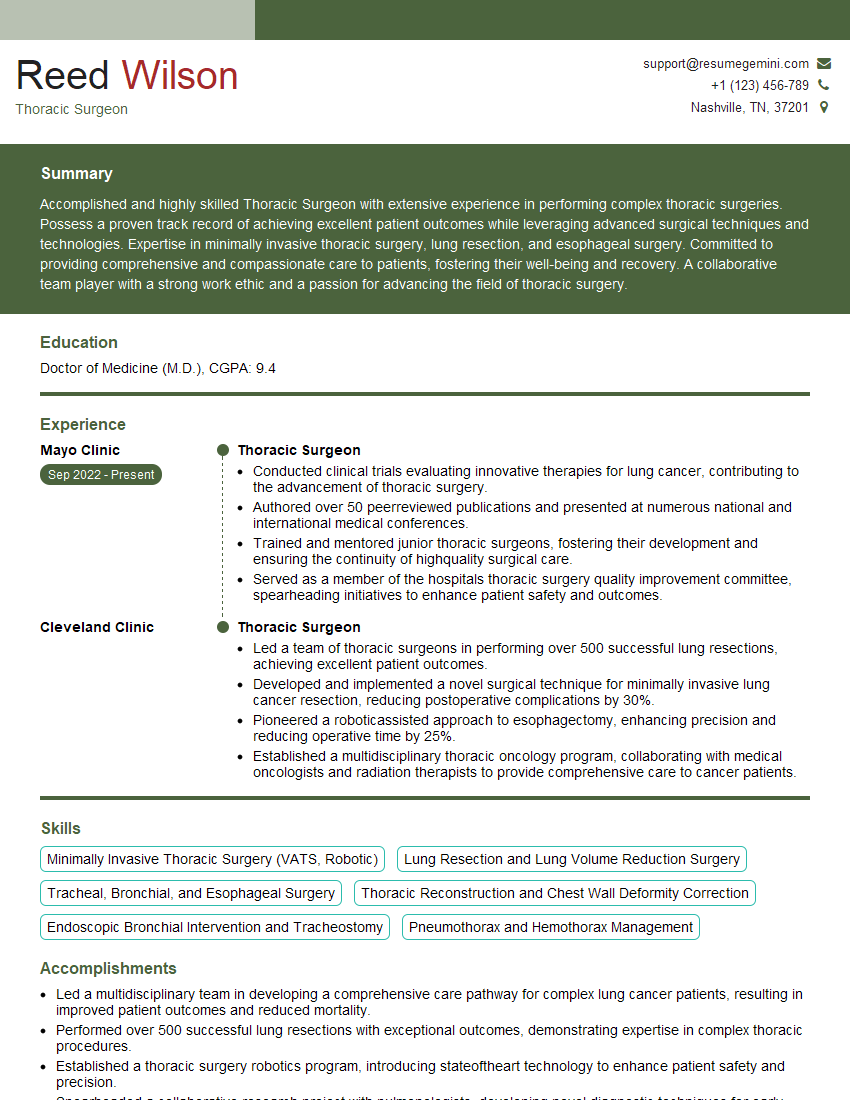
Thoracic Surgeon Resume Sample
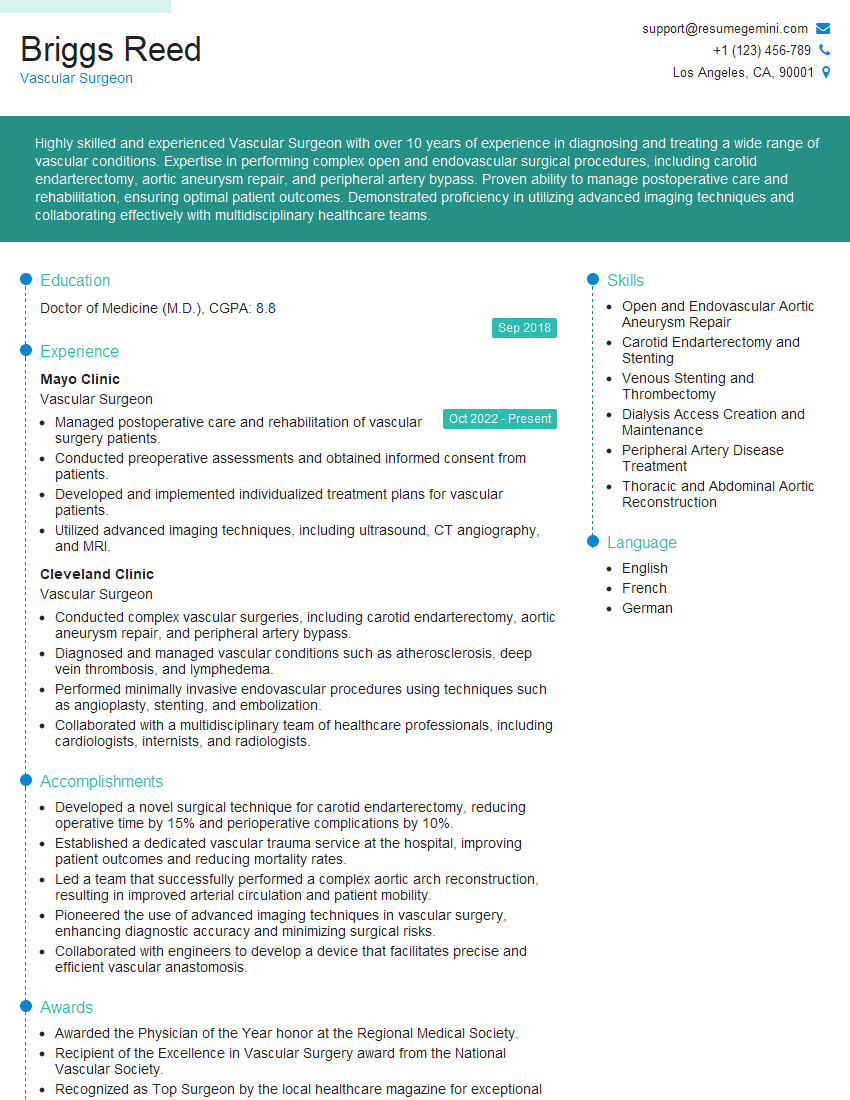
Vascular Surgeon Resume Sample
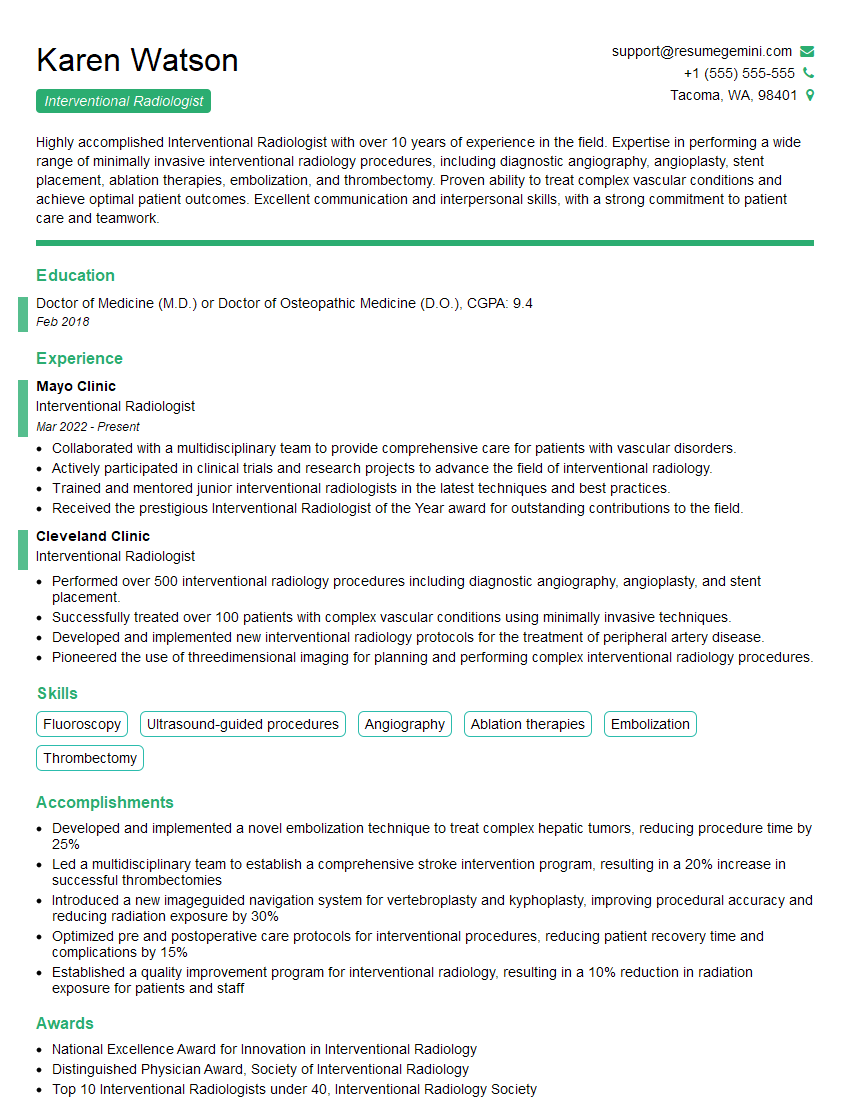
Interventional Radiologist Resume Sample
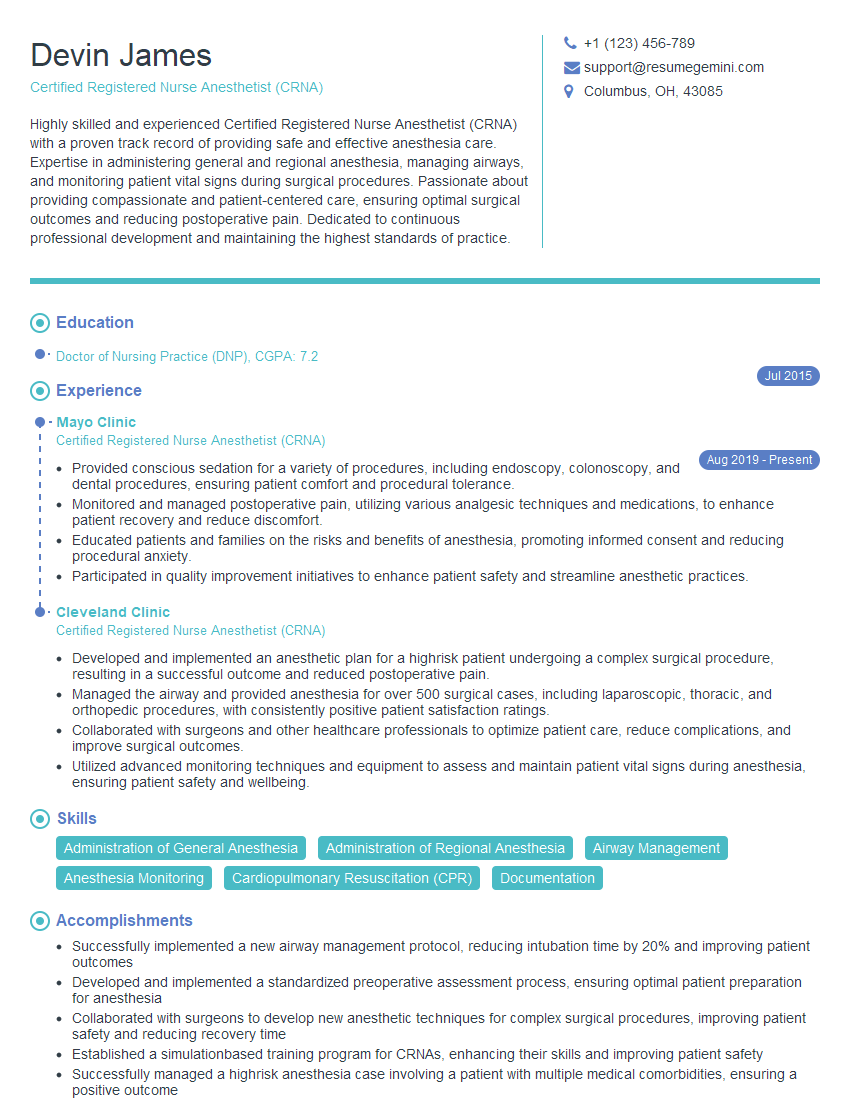
Certified Registered Nurse Anesthetist (CRNA) Resume Sample
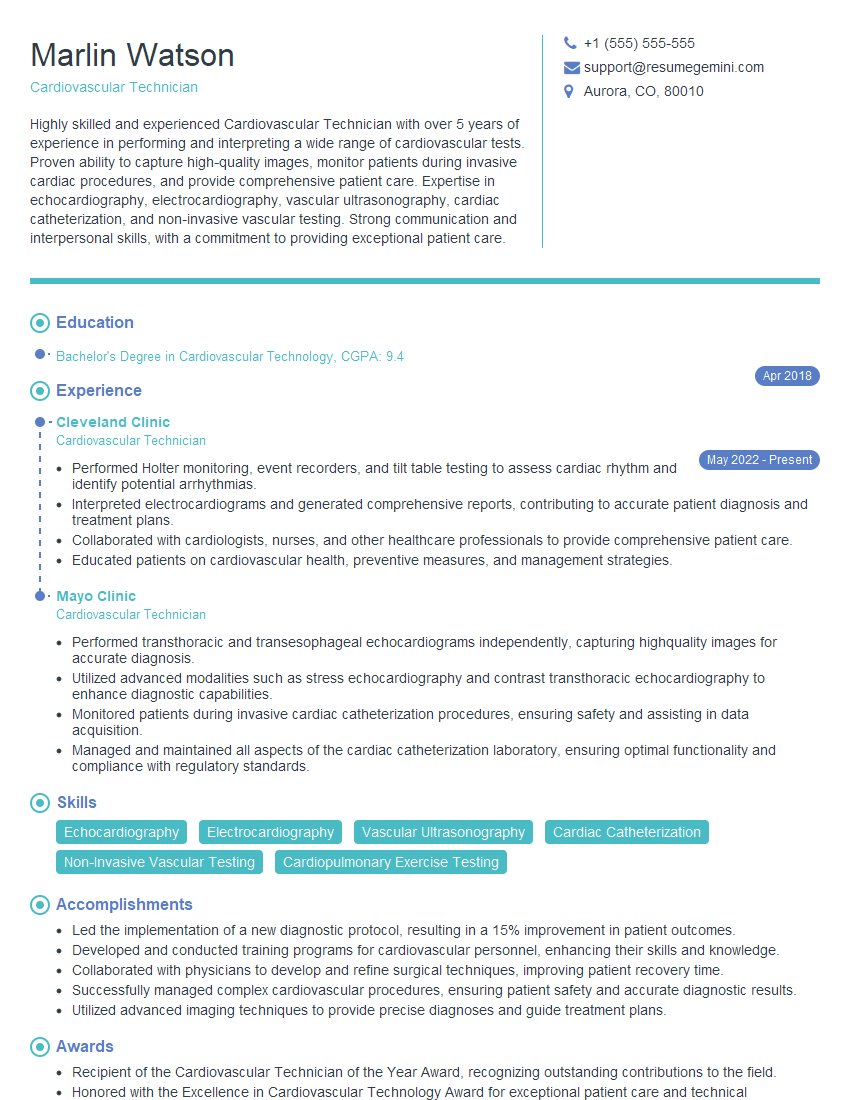
Cardiovascular Technician Resume Sample
Explore more articles
Users Rating of Our Blogs
Share Your Experience
We value your feedback! Please rate our content and share your thoughts (optional).
What Readers Say About Our Blog
To the interviewgemini.com Webmaster.
Very helpful and content specific questions to help prepare me for my interview!
Thank you
To the interviewgemini.com Webmaster.
This was kind of a unique content I found around the specialized skills. Very helpful questions and good detailed answers.
Very Helpful blog, thank you Interviewgemini team.