Preparation is the key to success in any interview. In this post, we’ll explore crucial Wine Production interview questions and equip you with strategies to craft impactful answers. Whether you’re a beginner or a pro, these tips will elevate your preparation.
Questions Asked in Wine Production Interview
Q 1. Explain the process of malolactic fermentation and its impact on wine.
Malolactic fermentation (MLF) is a secondary fermentation process in winemaking where lactic acid bacteria convert malic acid, a harsher, sharper acid, into lactic acid, a softer, rounder acid. Think of it like this: malic acid is like a tart green apple, while lactic acid is like a creamy yogurt. This conversion significantly impacts the wine’s final profile.
Process: MLF is initiated by introducing specific strains of lactic acid bacteria (LAB) to the wine after alcoholic fermentation. The bacteria consume malic acid, producing lactic acid and carbon dioxide as byproducts. The process can take weeks or even months, depending on temperature, the strain of LAB used, and the wine’s composition.
Impact on Wine: The most noticeable impact is a reduction in acidity, resulting in a smoother, more mellow wine. It also contributes to the development of buttery or creamy notes (diacetyl), and can enhance the complexity and mouthfeel. However, MLF isn’t always desirable. Some wines, particularly those intended to showcase vibrant acidity, might not benefit from it. For example, a crisp Sauvignon Blanc typically wouldn’t undergo MLF, whereas a Chardonnay might, depending on the style desired.
Q 2. Describe the different methods of red wine fermentation.
Red wine fermentation is a complex process with several variations depending on the desired style and quality of the final wine. The core process involves the conversion of grape sugars into alcohol and carbon dioxide by yeast. However, the methods used differ significantly.
- Traditional/Open-Top Fermentation: Grapes are crushed and fermented in open vats, allowing for greater exposure to air and interaction with the skins and seeds. This method tends to yield more tannic, robust wines with intense color. It’s labor-intensive but produces complex wines.
- Closed-Tank Fermentation: Fermentation occurs in sealed stainless steel tanks, minimizing exposure to air. This often results in wines with brighter fruit flavors and a lighter color profile. This method offers better temperature control and sanitation.
- Semi-Carbonic Maceration: Whole bunches of grapes are fermented in sealed tanks, creating an anaerobic environment (lack of oxygen). This creates a unique style of wine with fruity, often slightly sparkling characteristics. It’s commonly used for Gamay wines (Beaujolais).
The choice of method depends on factors like grape variety, desired wine style, climate, and available resources. Each method contributes unique characteristics to the final product.
Q 3. What are the key factors influencing the choice of oak for barrel aging?
The selection of oak for barrel aging is crucial, significantly influencing the wine’s final character. Key factors include:
- Oak Type: French oak is generally known for its finer-grained texture, imparting more subtle vanilla, spice, and toasty notes. American oak is typically more robust, providing bolder flavors of coconut, vanilla, and caramel. Other options include Hungarian, Slovenian, or other regional oaks, each with their own nuanced characteristics.
- Grain: The tighter the grain, the less the oak will influence the wine’s flavor profile. Tight-grained French oak is often preferred for delicate wines.
- Toast Level: Oak barrels are toasted to varying degrees, affecting the flavor compounds released. Lighter toasting results in subtle vanilla and spice notes, whereas heavier toasting imparts more smoky, toasty, and caramel-like flavors.
- Forest of Origin: Even within a region, different forests yield oak with distinct characteristics influenced by soil, climate, and tree age. This creates a huge variety in subtle flavor nuances.
- Barrel Size: Smaller barrels contribute to more rapid oxygenation and increased interaction between the wine and oak, leading to more intense oak influence. Larger barrels offer slower oxidation and a gentler interaction.
The winemaker carefully considers these factors to choose the oak type that best complements the wine’s varietal characteristics and desired style.
Q 4. How do you manage vineyard pests and diseases sustainably?
Sustainable pest and disease management in vineyards focuses on minimizing environmental impact while maintaining healthy vines. It employs an integrated approach combining various strategies:
- Vineyard Hygiene: Proper pruning, leaf removal, and canopy management helps improve air circulation, reducing fungal diseases. Removal of infected plant material is crucial to prevent further spread.
- Biological Control: Introducing beneficial insects (e.g., ladybugs, praying mantises) or nematodes that prey on pests minimizes the need for chemical pesticides. Using specific cover crops can also enhance biological control.
- Resistant Varieties: Planting grape varieties naturally resistant to common diseases (like Pierce’s disease or powdery mildew) reduces the reliance on chemical interventions. This is a long-term strategy.
- Targeted Chemical Interventions: If biological controls fail, the application of specific pesticides is considered as a last resort. Using biopesticides (derived from natural sources) or low-impact chemical treatments are favored over broad-spectrum pesticides.
- Monitoring and Early Detection: Regular inspections and monitoring for pests and diseases are crucial. Early detection allows for prompt intervention before problems escalate. This could involve visual inspection or using tools like pheromone traps.
Sustainable practices enhance the health of the vineyard ecosystem, minimizing environmental damage while producing high-quality grapes. It’s about finding a balance between yield and environmental stewardship.
Q 5. Explain the importance of soil analysis in viticulture.
Soil analysis is fundamental in viticulture because it provides crucial information about the vineyard’s growing conditions. Understanding soil properties directly impacts grape quality and yield.
Key Aspects: Soil analysis determines:
- Texture: The proportion of sand, silt, and clay particles influencing drainage, water retention, and nutrient availability.
- pH: The soil’s acidity or alkalinity, affecting nutrient uptake by vines.
- Nutrient Levels: The concentrations of essential nutrients like nitrogen, phosphorus, potassium, and micronutrients. Deficiencies or excesses can significantly affect vine health and grape quality.
- Organic Matter: The amount of decaying plant and animal matter influencing soil structure, water retention, and nutrient availability.
- Drainage and Water Holding Capacity: The ability of the soil to drain water and retain moisture is critical for optimal vine growth.
By understanding these factors, winemakers can tailor their viticultural practices, including fertilization and irrigation strategies, to optimize grape production and quality. This ultimately leads to better wines.
Q 6. What are the critical quality control checkpoints during wine production?
Quality control checkpoints throughout wine production are vital to ensure the final product meets the desired standards. These checkpoints happen at various stages:
- Grape Reception: Assessing grape maturity (sugar levels, acidity, pH) and health, removing unwanted material.
- Fermentation Monitoring: Regularly measuring temperature, sugar levels, and pH to ensure optimal fermentation conditions and prevent off-flavors. Yeast activity and malolactic fermentation are carefully monitored.
- Sensory Evaluation: Regular tasting sessions by experienced personnel to evaluate the wine’s progress, identifying potential flaws or deviations from the desired profile. This helps in making adjustments during aging.
- Racking and Clarification: Monitoring the wine’s clarity and stability after racking (transferring wine from one container to another) to minimize unwanted sediment and potential spoilage.
- Barrel Aging: Regular monitoring of barrel condition, top-ups to avoid oxidation, and tasting to track the wine’s evolution during aging.
- Bottling: Strict hygiene practices during bottling to prevent contamination. Checking for proper closure to ensure wine integrity and prevent spoilage.
- Post-Bottling Monitoring: Monitoring bottled wine for clarity, stability, and any signs of spoilage.
These checkpoints ensure consistent quality and minimize risks, allowing for prompt corrective actions if necessary.
Q 7. Describe your experience with different wine filtration techniques.
Wine filtration techniques aim to clarify wine and stabilize it, extending its shelf life. I’ve worked with a variety of techniques:
- Coarse Filtration: Removes larger particles like yeast cells and grape solids. This is often done early in the winemaking process. It uses coarser filter pads.
- Fine Filtration: Removes finer particles like bacteria, thereby extending shelf life. This is generally closer to bottling. It uses finer filter pads and might even involve membrane filtration.
- Membrane Filtration (Microfiltration/Ultrafiltration): Uses membranes with specific pore sizes to remove targeted particles. Microfiltration removes bacteria and yeast, while ultrafiltration removes larger proteins and polysaccharides. These are more sophisticated and precise.
- Fining Agents: These aren’t strictly filtration, but they improve clarity by binding to suspended particles, which then settle out. Examples include egg whites, bentonite clay, or isinglass. This process is more traditional.
The choice of filtration technique depends on the desired level of clarity, the wine’s style, and the winemaker’s philosophy. Some winemakers prefer minimal or no filtration to retain more character and complexity in the wine, while others prioritize longer shelf life and sparkling clarity. I always carefully assess the best approach for each specific wine to achieve optimal results.
Q 8. How do you identify and manage spoilage microorganisms in wine?
Spoilage microorganisms, such as bacteria and wild yeasts, are a constant threat to wine quality. Identifying them relies on a combination of sensory analysis (looking for off-odors, cloudiness, etc.) and laboratory techniques. We use microscopic examination to identify the specific organisms present and various microbiological tests, including plating on selective media to quantify their numbers.
Managing spoilage is multifaceted. Good sanitation practices are paramount. This includes meticulous cleaning and disinfection of all equipment, from tanks and pipes to bottling lines. Careful monitoring of fermentation temperature and SO2 levels (sulfur dioxide, a natural preservative) is crucial. SO2 inhibits the growth of many spoilage organisms. We also utilize filtration, particularly sterile filtration for sensitive wines, to remove any remaining microorganisms before bottling. Finally, understanding the vineyard and the native microbiota is key. Healthy grapes with a balanced microbiome are less susceptible to spoilage.
For example, a hazy wine with a vinegar-like smell might indicate the presence of Acetobacter bacteria, requiring immediate action like increased SO2 addition and possible filtration.
Q 9. What are the common chemical analyses performed during wine production?
Chemical analyses are fundamental to wine production, guiding decisions at every stage. Common analyses include:
- Titratable Acidity (TA): Measures the total acidity, affecting taste and preservation. Low TA might indicate a need for acidification.
- pH: Indicates the wine’s acidity level, influencing microbial stability and flavor perception. Optimizing pH is critical for fermentation and preventing spoilage.
- Sugar (Brix): Essential for monitoring fermentation progress and determining ripeness at harvest. High sugar levels translate to higher potential alcohol.
- Volatile Acidity (VA): Measures the concentration of acetic acid, a key indicator of spoilage. High VA levels often lead to a vinegar-like smell.
- Malic Acid: A major organic acid in grapes, often converted to lactic acid during malolactic fermentation. Monitoring its levels helps track this fermentation.
- Alcohol Content: Determines the alcoholic strength of the wine, measured using a hydrometer or an alcoholmeter after fermentation is complete.
- SO2: Monitoring the level of sulfur dioxide is essential for ensuring microbial stability and preventing oxidation.
These analyses, often performed using automated instruments for efficiency, help winemakers monitor fermentation, adjust wine composition, and ensure product consistency and quality.
Q 10. Explain the process of wine blending and its importance.
Wine blending is the art and science of combining different wines to achieve a desired style and quality. It’s much more than simply mixing; it involves carefully considering the individual wines’ characteristics—acidity, tannin levels, fruit profile, and aroma complexity—to create a harmonious whole that is greater than the sum of its parts.
The importance of blending is multifaceted:
- Consistency: Blending can ensure consistent quality year to year, even if the characteristics of individual vineyard lots vary.
- Complexity: Combining different wines adds layers of flavor and aroma, creating a more nuanced and interesting final product.
- Correcting Flaws: A skilled blender can use one wine to compensate for deficiencies in another, for example, adding acidity to a flat wine or structure to a light wine.
- Style Creation: Blending allows winemakers to craft specific styles, like a bold Cabernet Sauvignon or a delicate Pinot Noir, by combining grapes or wines from different sources or vintages.
A classic example is Bordeaux wines, which are often blends of Cabernet Sauvignon, Merlot, Cabernet Franc, and other grapes, creating a complex and structured wine.
Q 11. How do you assess the ripeness of grapes for harvest?
Assessing grape ripeness is critical, as it directly impacts wine quality. We evaluate ripeness using several factors:
- Sugar Levels (Brix): Measured using a refractometer, this determines the potential alcohol content of the wine. Target Brix levels vary depending on the desired wine style.
- Acidity (TA and pH): High acidity is desirable in many wines for balance and structure, but excessive acidity can result in harshness. We monitor TA and pH levels throughout the ripening period.
- Phenolic Maturity (Tannins and Color): These components contribute to the wine’s structure, mouthfeel, and color. Tannin levels and color intensity are assessed through sensory evaluation and laboratory analysis.
- Flavor Development: We taste the grapes to evaluate the intensity and complexity of their flavors. Optimal ripeness is characterized by ripe fruit flavors and balanced acidity.
We might use a combination of techniques like tasting the grapes and measuring Brix and acidity using portable instruments in the vineyard. Decisions about harvest timing often consider weather forecasts to ensure the grapes are harvested at their peak ripeness and optimal quality.
Q 12. Describe different methods of yeast management in winemaking.
Yeast management is crucial in winemaking, as yeast converts sugars into alcohol and other flavor compounds. Methods include:
- Native Fermentation: Utilizing the wild yeasts naturally present on the grapes. This can lead to unique flavor profiles but may result in unpredictable outcomes.
- Selected Yeast Strains: Inoculating the must (grape juice) with specific commercially available yeast strains. This offers more control over fermentation characteristics, such as alcohol production, aroma profiles, and fermentation kinetics.
- Yeast Nutrition: Supplementing the must with nutrients like nitrogen and minerals ensures healthy yeast growth and efficient fermentation. Nutrient deficiencies can lead to stuck or sluggish fermentations.
- Temperature Control: Controlling fermentation temperature is critical, as yeast activity is temperature-dependent. Too high temperatures can lead to off-flavors, while too low temperatures can slow or halt fermentation.
- Yeast Management Practices: This includes using techniques like yeast hulls or other strategies to manage yeast lees after fermentation to enhance flavor and texture.
The choice of yeast management method depends on the desired wine style and the winemaker’s risk tolerance. For consistent results and specific flavor profiles, selected yeast strains are often preferred.
Q 13. What are the challenges associated with sustainable wine production?
Sustainable wine production faces several challenges:
- Water Scarcity: Wine production is water-intensive. Implementing water-saving irrigation techniques and using drought-resistant grape varieties are critical for sustainability.
- Energy Consumption: Energy is needed for various processes, from pumping and processing to climate control. Reducing energy consumption through renewable energy sources and energy-efficient equipment is essential.
- Pesticide Use: Reducing reliance on synthetic pesticides and herbicides is a major goal. Organic and biodynamic viticulture practices are gaining popularity.
- Soil Health: Maintaining soil health through cover cropping, composting, and reduced tillage helps improve water retention, nutrient cycling, and overall vineyard health.
- Waste Management: Managing byproducts of winemaking, such as grape pomace, is crucial. Finding ways to reuse or recycle these materials is important for environmental sustainability.
- Climate Change: Changing weather patterns pose significant challenges, including increased risk of extreme weather events and changes in grape ripening patterns, necessitating adaptation strategies.
Sustainable practices require a holistic approach, integrating vineyard and winery operations to minimize environmental impact and ensure long-term viability.
Q 14. How do you manage wine inventory and storage?
Wine inventory and storage management is vital for maintaining wine quality and preventing losses. It involves several key aspects:
- Accurate Tracking: Maintaining detailed records of wine production, aging, and movement is crucial. This is often done using inventory management software.
- Appropriate Storage Conditions: Wines should be stored in a cool, dark, and humid environment to prevent temperature fluctuations and oxidation. Consistent temperature and humidity are key.
- Inventory Control: Regular inventory checks help prevent losses and ensure sufficient stock levels. The First-In, First-Out (FIFO) method is often used to ensure older wines are sold first.
- Bottling and Packaging: Proper bottling and packaging are crucial to maintain wine quality and prevent spoilage during transport and storage.
- Pest Control: Storage facilities should be free from pests that could damage bottles or contaminate the wine.
Effective inventory management involves utilizing technology such as barcode systems and software to track wine lots, movement, and aging conditions, allowing for better planning of sales and optimizing storage space to minimize losses and maintain product freshness.
Q 15. Describe your experience with different wine bottling techniques.
Wine bottling is a crucial step that safeguards the wine’s quality and prepares it for market. My experience encompasses various techniques, focusing on both minimizing oxygen exposure and maximizing the preservation of the wine’s character.
- Traditional Bottle Filling: This method involves using gravity to fill bottles, often with a relatively slow fill rate to reduce oxidation. It’s a dependable technique that’s appropriate for many wine styles.
- Automatic Bottling Lines: High-volume wineries utilize automated lines that significantly increase efficiency. These lines often incorporate inert gas blanketing to displace oxygen in the headspace above the wine, crucial for preventing spoilage. Precise filling levels are essential to ensure consistent quality.
- Under-Corking: This involves injecting inert gas under the cork just before sealing. This technique provides an extra layer of oxygen protection. I’ve seen success using this with age-worthy wines particularly sensitive to oxidation.
- Screw Cap Closure: While traditional, cork closure dominates, screw caps are gaining popularity. They offer excellent oxygen barrier properties, making them ideal for wines intended for early consumption or those sensitive to cork taint.
Choosing the right bottling technique depends heavily on the wine’s style, intended aging potential, budget and desired production scale. For example, a high-end, age-worthy Cabernet Sauvignon might benefit from traditional bottling with under-corking, while a light-bodied rosé might be equally well-served by a fast automatic line with screw caps.
Career Expert Tips:
- Ace those interviews! Prepare effectively by reviewing the Top 50 Most Common Interview Questions on ResumeGemini.
- Navigate your job search with confidence! Explore a wide range of Career Tips on ResumeGemini. Learn about common challenges and recommendations to overcome them.
- Craft the perfect resume! Master the Art of Resume Writing with ResumeGemini’s guide. Showcase your unique qualifications and achievements effectively.
- Don’t miss out on holiday savings! Build your dream resume with ResumeGemini’s ATS optimized templates.
Q 16. Explain the impact of climate change on grape growing and wine production.
Climate change presents significant challenges for grape growing and wine production. Rising temperatures, altered precipitation patterns, and increased frequency of extreme weather events are fundamentally changing viticultural practices.
- Increased Temperatures: Higher temperatures can lead to faster ripening, potentially resulting in wines with lower acidity and higher alcohol content. This can impact the balance and overall quality of the wine. We see this particularly in warmer regions already pushing the limits of heat tolerance for certain varietals.
- Water Stress: Changes in rainfall patterns can create water stress for vines, impacting yield and potentially affecting the concentration of sugars and flavors. Irrigation strategies are becoming more critical to manage.
- Extreme Weather Events: Hailstorms, droughts, and wildfires can cause devastating damage to vineyards, resulting in crop losses and impacting the consistency of harvests. Increased insurance costs and risk mitigation strategies are essential.
- Pest and Disease Pressure: Shifting climate patterns can alter the prevalence and distribution of pests and diseases, requiring adjustments in vineyard management practices and increased reliance on sustainable pest control methods.
Adaptation strategies include experimenting with new grape varieties better suited to warmer climates, adjusting vineyard management techniques to mitigate water stress, and investing in more resilient infrastructure to better withstand extreme weather events. The wine industry is actively involved in research and development to address these challenges.
Q 17. How do you troubleshoot common winemaking problems?
Troubleshooting in winemaking requires a systematic approach, combining scientific understanding with sensory evaluation. Identifying the problem is the first step, which often involves careful observation and analysis.
- Off-Flavors: If off-flavors are detected, I’d investigate potential sources like microbial spoilage (e.g., Brettanomyces, Acetobacter), TCA (cork taint), or oxidation. Sensory analysis is crucial here, alongside lab tests.
- Stuck Fermentation: A slow or stopped fermentation is often due to nutrient deficiencies (nitrogen, etc.), high temperatures, or the presence of inhibitors. I’d assess yeast health, adjust temperature and supplement nutrients as needed.
- Oxidation: Oxidative issues can be observed as browning, changes in aroma, and loss of fruit character. This usually involves assessing the level of oxygen exposure at different stages of production. This necessitates adjusting practices that involve a lack of inert gas blanketing.
- Malolactic Fermentation (MLF) Issues: Problems with MLF, which is critical for softening the acidity in many red wines, often arise from unfavorable conditions like low pH, insufficient nutrients, or bacteriophage infections. It may require adding specific bacteria to kickstart this.
Documentation is key. Meticulous record-keeping of each step in the winemaking process enables quicker identification of the source of problems. A combination of sensory analysis, laboratory testing and a clear understanding of winemaking principles allows for effective problem-solving, minimizing losses and maintaining quality.
Q 18. What are the different styles of wine and their production techniques?
Wine styles are incredibly diverse, reflecting regional variations, grape varieties, and winemaking techniques. Here are a few examples:
- Red Wines: Styles range from light-bodied Pinot Noir with delicate fruit and earthy notes to full-bodied Cabernet Sauvignon characterized by tannins, dark fruit, and aging potential. Production techniques differ significantly, including fermentation temperature control, oak aging, and the use of malolactic fermentation.
- White Wines: The spectrum extends from crisp Sauvignon Blanc with citrus and herbaceous notes to rich Chardonnay exhibiting buttery, oaky characteristics. Winemaking differences involve choices regarding oak aging, fermentation temperature, and lees contact (aging on dead yeast cells).
- Rosé Wines: These wines are produced by various methods, with some using short maceration (skin contact) with red grapes, others blending red and white wine. Techniques include fermentation temperature control and careful monitoring to maintain its characteristic balance of fruit and acidity.
- Sparkling Wines: The production of sparkling wines, such as Champagne, involves secondary fermentation in the bottle, using the traditional method (Méthode Champenoise) or tank method. This requires specific techniques to manage pressure and retain carbon dioxide.
Each wine style requires careful consideration of grape selection, fermentation, oak aging, and bottling techniques to achieve the desired characteristics. For example, a light, fruity Pinot Grigio demands different practices than a complex, oaked Chardonnay.
Q 19. Describe your experience with sensory evaluation of wine.
Sensory evaluation is fundamental to winemaking. It involves using all five senses to assess the wine’s quality and characteristics. My experience encompasses both formal blind tastings and informal assessments throughout the winemaking process.
- Appearance: This involves assessing color, clarity, and viscosity. The color can reveal much about the grape variety and wine’s age.
- Aroma: This is where the complexity of the wine is often revealed. I identify primary aromas (from the grapes), secondary aromas (from fermentation), and tertiary aromas (from aging). This requires extensive experience in differentiating various sensory terms.
- Taste: Here, I evaluate the wine’s sweetness, acidity, tannins (in red wines), alcohol content, and body. This involves understanding the interplay of these elements and how they affect the overall balance of the wine.
- Finish: The lingering impression after swallowing the wine helps determine its persistence, structure and overall enjoyment.
Sensory evaluation provides insights into potential flaws or off-notes, and guides crucial decisions such as blending, oak aging, and bottling timing. Over many years, I have developed a refined palate and methodology that ensures accuracy and objectivity in my assessments. Participating in wine competitions has further improved my proficiency.
Q 20. How do you ensure consistency in wine production year after year?
Consistency in wine production is a top priority. It involves meticulously documenting and controlling every aspect of the winemaking process.
- Vineyard Management: Consistent canopy management, irrigation, and fertilization are vital for ensuring that the grapes entering the winery are of similar quality each year.
- Harvest Timing: Precise monitoring of grape maturity, using measurements of sugar levels, acidity, and phenolic ripeness is crucial. Harvest decisions are based on scientific data, not solely on calendar dates.
- Standardized Winemaking Procedures: Detailed protocols are established for each step, from fermentation temperature control to oak aging regimes. These protocols are rigorously followed to ensure consistency.
- Quality Control: Regular testing throughout the winemaking process, including chemical and microbiological analyses, is essential to monitor the wine’s development and detect potential problems early. Sensory evaluations at each stage further aid in consistency
- Data Management: Comprehensive record-keeping ensures that each vintage’s production parameters are accurately documented for future reference and analysis. This aids in improving techniques and understanding variations caused by climate.
By maintaining rigorous control over all stages of production and using data-driven decision making, we strive to produce wines that exhibit a consistent quality and style from year to year, even when facing variations in climate or other factors.
Q 21. Explain the concept of terroir and its impact on wine.
Terroir is a complex interaction of factors that influence the character of a wine. It encompasses climate, soil, topography, and human practices within a specific vineyard.
- Climate: Temperature, rainfall, and sunlight exposure significantly affect grape ripening, resulting in wines with varying levels of sugar, acidity, and aroma compounds. A cool climate can produce wines with higher acidity, while a warm climate might yield fuller-bodied wines with lower acidity.
- Soil: Soil type, drainage, and mineral composition affect the nutrients available to the vines, influencing the grape’s flavor profile and the wine’s structure. Limestone soils, for example, often impart minerality to the wine. Clay soils retain water, while sandy soils drain quickly.
- Topography: Slope, elevation, and aspect (direction the vineyard faces) influence the amount of sunlight received by the vines, impacting ripening and quality. South-facing slopes are typically warmer than north-facing ones.
- Human Practices: Vineyard management techniques, such as pruning, training, and canopy management, also contribute to terroir’s impact. These techniques define the quality and yield of the grapes which directly impacts the wine produced.
Terroir’s impact on wine is multifaceted and subtle, leading to unique expressions of character that reflect the site’s specific conditions. Two wines made from the same grape variety grown in different terroirs will often taste distinctly different because of these interacting factors. For example, Burgundy wines from different climats often exhibit highly varied characteristics despite growing the same grapes.
Q 22. What software or technology do you utilize in wine production?
Technology plays a crucial role in modern winemaking, enhancing efficiency and precision. We utilize a suite of software and hardware, ranging from simple spreadsheets for tracking yields to sophisticated sensors and data analytics platforms.
Viticulture Management Software: Programs like Agrisuite or Viticultural systems help us monitor vineyard health, optimize irrigation schedules based on soil moisture sensors and weather data, and predict harvest times. This allows for precision viticulture, maximizing grape quality.
Fermentation Monitoring Systems: These systems provide real-time data on temperature, pH, and dissolved oxygen levels during fermentation. This allows for precise control of the fermentation process, preventing off-flavors and ensuring consistent quality. For example, we use optical sensors to monitor the evolution of sugar levels during fermentation.
Laboratory Information Management Systems (LIMS): LIMS software helps manage our lab data, ensuring traceability and facilitating quality control throughout the winemaking process. This includes tracking chemical analysis results, sensory evaluations, and bottling data.
Data analytics tools are increasingly important. We use them to analyze historical data to identify patterns and optimize processes, from vineyard management to blending decisions. For instance, we might analyze weather patterns over several years to predict optimal harvest times and grape quality.
Q 23. Describe your experience with different wine packaging materials.
Wine packaging is a critical aspect of preserving quality and conveying brand identity. My experience spans various materials, each with its strengths and weaknesses:
Glass Bottles: The traditional and still most prevalent option. Glass provides excellent protection from oxygen and light, preserving wine quality. However, glass is heavy, fragile, and has environmental concerns regarding production and recycling.
Bag-in-Box (BIB): An increasingly popular option for preserving the quality of wines that will be consumed shortly. BIB packaging eliminates the need for corks and can be more cost-effective. It however might not be appropriate for high-end wines.
Aluminum Cans: Lightweight, recyclable, and offering good protection from light. However, they are not as effective as glass at excluding oxygen.
PET Bottles: Lightweight and shatterproof, PET bottles are cost-effective but can compromise wine quality over time due to permeability to oxygen.
The choice of packaging material depends on the type of wine, target market, and budget. We carefully consider all aspects to ensure the chosen material best preserves wine quality and represents our brand.
Q 24. How do you comply with food safety regulations in wine production?
Food safety is paramount in wine production. We adhere rigorously to all relevant regulations, including those set by the FDA (in the US) and equivalent agencies globally. Our compliance strategies include:
Good Manufacturing Practices (GMP): We maintain meticulous hygiene throughout the entire production process, from vineyard to bottling. This includes regular cleaning and sanitation of equipment, ensuring proper handling of materials and prevention of cross-contamination.
Hazard Analysis and Critical Control Points (HACCP): We utilize a HACCP plan to identify and control potential hazards, such as microbial contamination or chemical residues. This involves identifying critical control points (CCPs) and establishing monitoring procedures to ensure safety.
Traceability: We maintain detailed records of every stage of production, allowing us to trace the origin of any potential problem. This is essential for effective recall management if needed.
Regular Testing and Monitoring: We conduct regular testing of our wines and raw materials to verify compliance with standards. This includes microbiological analysis, chemical analysis, and sensory evaluation.
We also undergo regular audits to ensure consistent adherence to regulations. These audits are conducted by both internal and external personnel. Proactive measures and robust record-keeping prevent potential issues and demonstrate a strong commitment to food safety.
Q 25. What is your experience with wine labeling and regulations?
Wine labeling is subject to stringent regulations, varying by country and region. My experience encompasses understanding and complying with these diverse regulations. This includes detailed knowledge of:
Mandatory Information: This includes the producer’s name and address, alcohol content, volume, and sulfite declaration (if applicable). Variations exist across regions, for example, the required details on origin might be more precise in certain appellations.
Optional Information: This can include the grape varietal, vintage, and other marketing information. However, regulations regarding descriptive terms and marketing claims must be strictly followed.
Health Warnings: Certain jurisdictions necessitate specific health warnings about alcohol consumption.
Labeling Approval Processes: Many regions require pre-approval of labels from the relevant authorities. We carefully prepare all labeling information to meet each region’s standards.
Proper labeling is crucial for legal compliance and consumer protection. Inaccurate or misleading labels can lead to significant penalties. I have been involved in the design and approval process of many wine labels and ensure that all are fully compliant with local laws. This frequently requires collaborating with designers, legal counsel, and regulatory authorities.
Q 26. Explain your understanding of wine oxidation and reduction.
Wine oxidation and reduction are fundamental chemical processes that significantly impact wine quality. Understanding these processes is crucial for winemakers.
Oxidation: This involves the reaction of wine components with oxygen. Excessive oxidation can lead to undesirable changes such as browning, loss of aroma compounds, and the development of off-flavors such as sherry-like notes. Think of a cut apple browning – it’s the same basic principle. However, controlled oxidation can be beneficial in certain winemaking techniques, such as the aging of sherry.
Reduction: Reduction is the opposite of oxidation, involving a decrease in the amount of oxygen. Excessive reduction can lead to undesirable smells and flavors, often described as “mercaptans” – reminiscent of cabbage or burnt rubber. Reduction is often countered through the judicious use of oxygen during aging.
Managing oxidation and reduction is a delicate balance. Winemakers employ various techniques to control these processes, such as using inert gases (like nitrogen or argon) during bottling, selecting appropriate oak aging practices, and managing the oxygen levels during fermentation and storage. The goal is to achieve an optimal balance for the wine’s style and character.
Q 27. Describe your experience with different grape varieties and their characteristics.
My experience encompasses a wide array of grape varieties, each with unique characteristics influencing wine style and quality. Here are a few examples:
Cabernet Sauvignon: Known for its full body, high tannins, and black currant and cedar notes. It thrives in warm climates and produces age-worthy wines. The characteristics can vary slightly based on terroir (the environment).
Pinot Noir: A notoriously finicky grape that produces elegant, light to medium-bodied red wines with notes of cherry, raspberry, and earthiness. It requires cooler climates and careful viticultural practices.
Chardonnay: A versatile white grape used to produce wines ranging from crisp and unoaked to rich and buttery, depending on the winemaking techniques employed. It adapts well to different climates, making it a very popular grape.
Riesling: Known for its aromatic complexity, ranging from floral to petrol-like notes, depending on the age and style. Riesling wines can have high acidity, contributing to their age-worthiness.
Understanding grape varietal characteristics, including their ideal climate and soil conditions, is crucial for producing high-quality wines. This knowledge informs decisions regarding vineyard management, fermentation techniques, and aging protocols.
Q 28. What are your career goals in the wine industry?
My career goals in the wine industry center around further developing my expertise in sustainable and innovative winemaking practices. I aim to contribute to the industry’s transition towards more environmentally friendly and technologically advanced methods.
Leadership Role: I aspire to a leadership role where I can mentor younger winemakers and guide the implementation of sustainable practices at a larger scale.
Research and Development: I am keenly interested in contributing to research and development efforts that explore new techniques in viticulture and winemaking, focusing on improving efficiency, minimizing environmental impact, and enhancing wine quality.
International Collaboration: I want to expand my network internationally to learn from and collaborate with other winemakers, sharing knowledge and best practices for sustainable wine production.
Ultimately, I want to leave a positive legacy in the wine industry, contributing to its long-term sustainability and the creation of exceptional wines that resonate with consumers worldwide.
Key Topics to Learn for Wine Production Interview
- Viticulture: Understanding grape varietals, vineyard management (soil health, pruning, irrigation), and the impact of climate and terroir on grape quality. Practical application: Discussing your experience with specific viticultural techniques and their effect on yield and quality.
- Winemaking Processes: Mastering the stages of wine production, from harvesting and crushing to fermentation, malolactic fermentation, oak aging, and bottling. Practical application: Explaining your understanding of different fermentation methods and their influence on the final product’s characteristics.
- Quality Control and Assurance: Knowledge of sensory evaluation (tasting and analyzing wine), laboratory techniques for quality control, and implementing best practices to maintain consistent quality throughout the winemaking process. Practical application: Describing your experience with troubleshooting issues during wine production and maintaining high quality standards.
- Enology and Chemistry: A strong foundation in the chemical processes of fermentation, understanding of yeast strains, and the impact of various winemaking techniques on the chemical composition of wine. Practical application: Explaining how you would adjust winemaking techniques to address a specific chemical imbalance in the wine.
- Wine Laws and Regulations: Familiarity with appellation laws, labeling requirements, and industry regulations. Practical application: Discussing how you ensure compliance with relevant laws and regulations in your wine production practices.
- Sustainability and Environmental Practices: Understanding sustainable viticulture and winemaking practices, minimizing environmental impact, and implementing eco-friendly strategies. Practical application: Describing your experience with sustainable vineyard management or waste reduction techniques in a winery.
- Wine Styles and Regions: Demonstrating a broad knowledge of different wine styles (red, white, rosé, sparkling), their production methods, and the major wine-producing regions of the world. Practical application: Comparing and contrasting different winemaking techniques used in specific regions to achieve distinct wine styles.
Next Steps
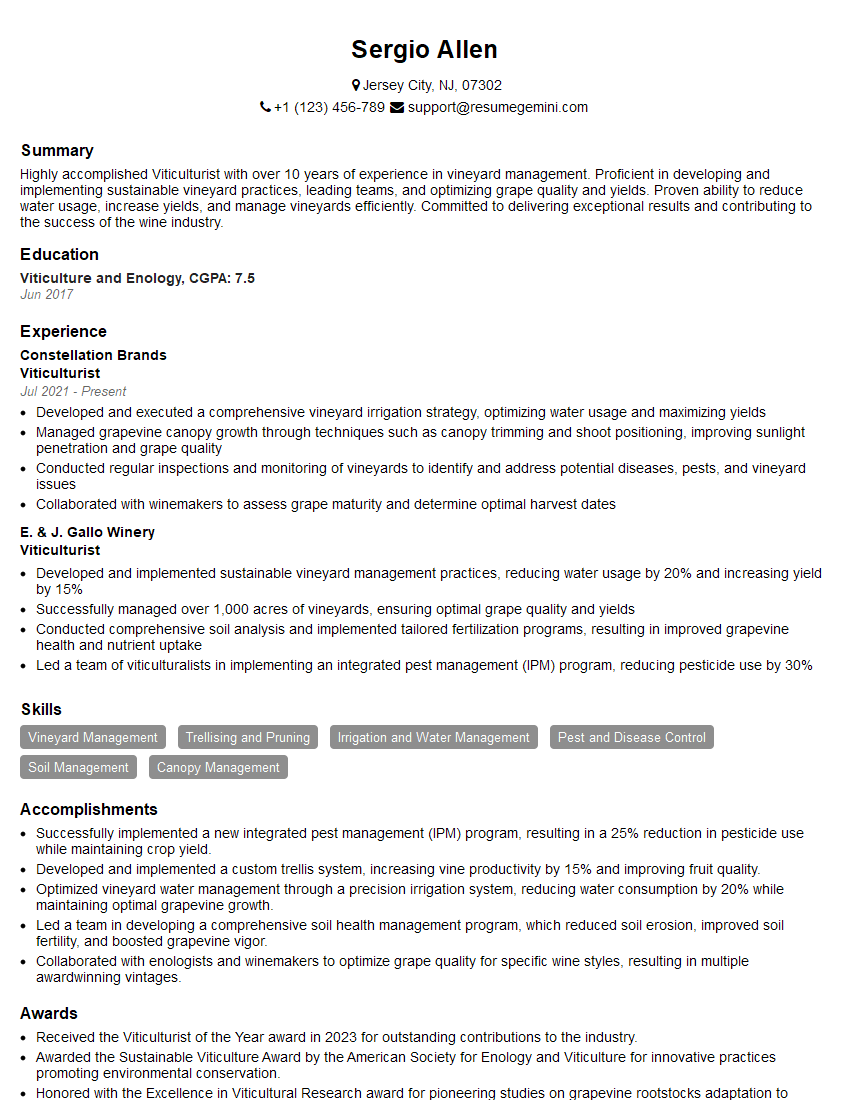
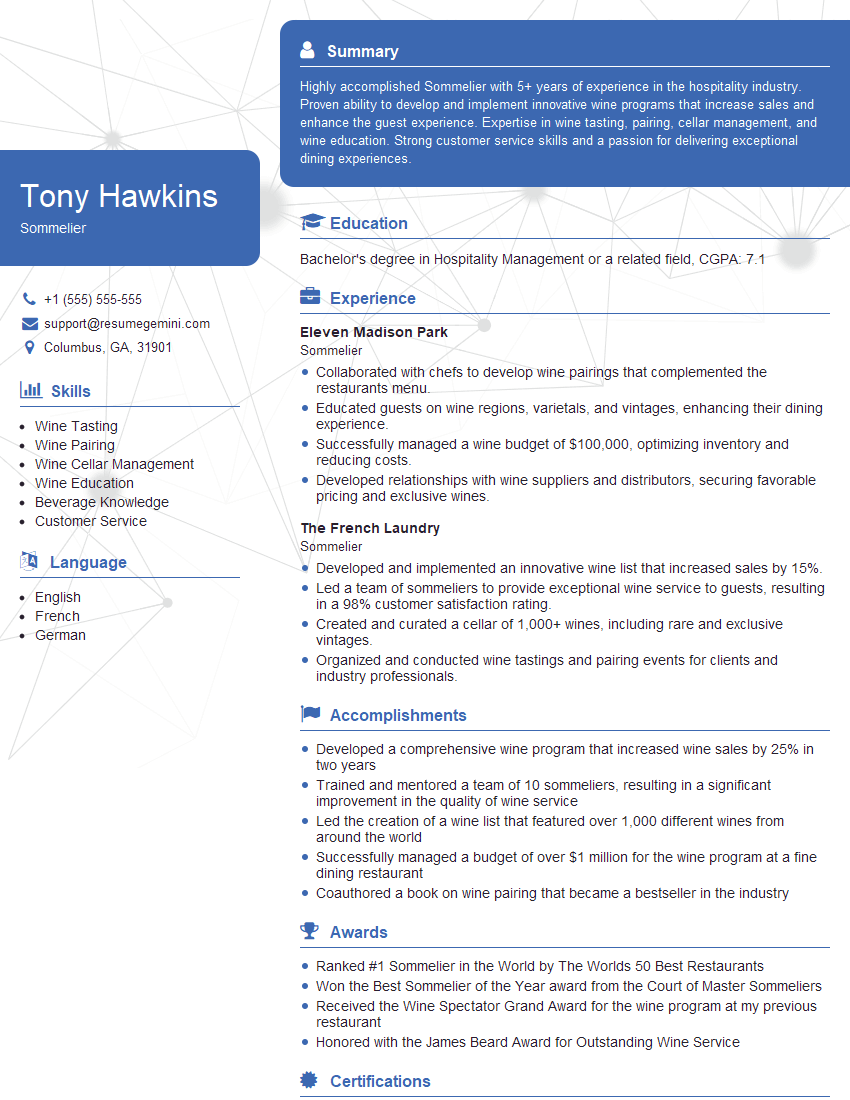
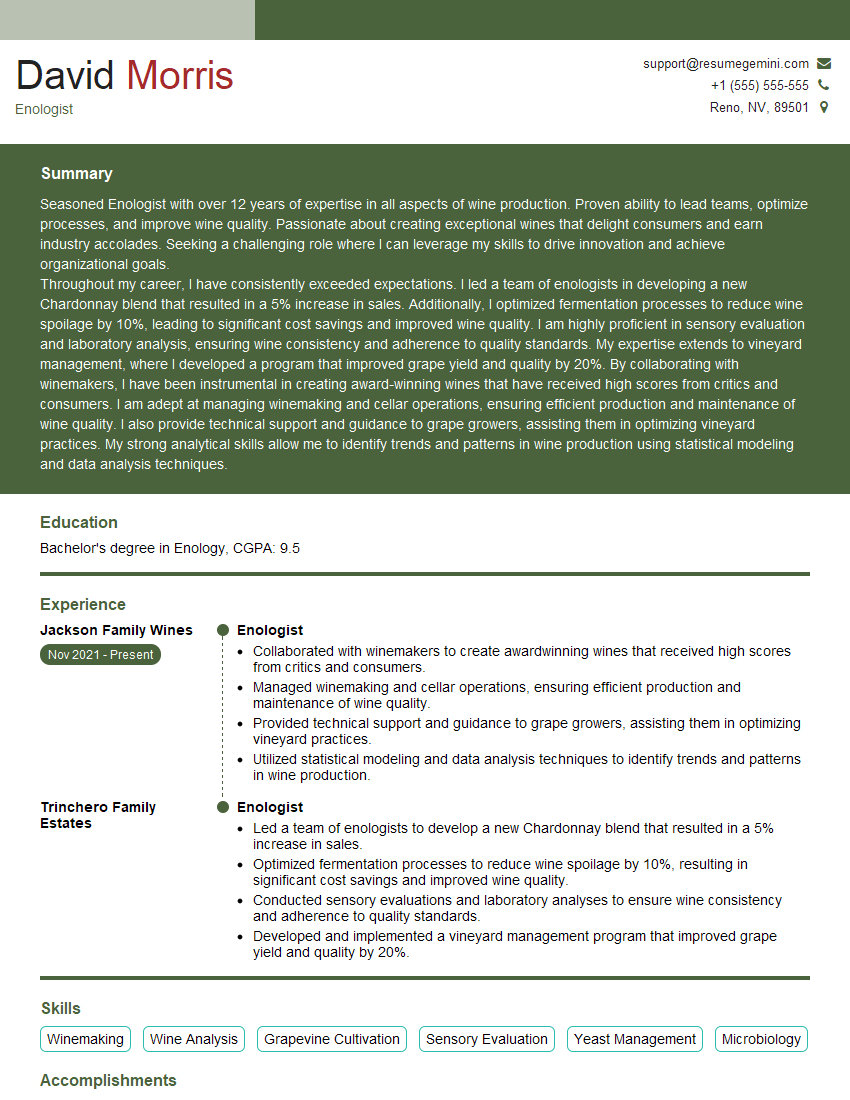
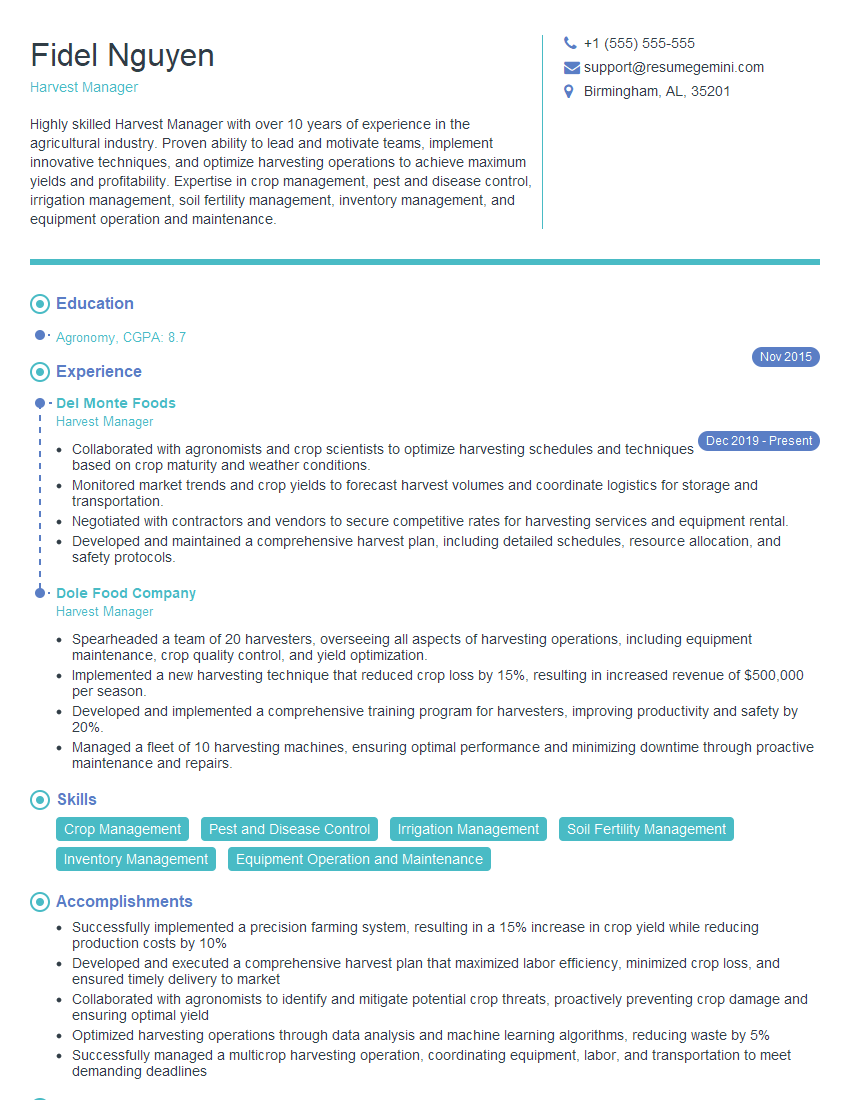
Mastering wine production opens doors to exciting career opportunities in a dynamic and rewarding industry. To maximize your chances of landing your dream job, a strong and ATS-friendly resume is crucial. ResumeGemini is a trusted resource to help you craft a professional and impactful resume that showcases your skills and experience effectively. Take advantage of their tools and resources to build a winning resume. Examples of resumes tailored specifically to Wine Production roles are available to help guide you.
Explore more articles
Users Rating of Our Blogs
Share Your Experience
We value your feedback! Please rate our content and share your thoughts (optional).
What Readers Say About Our Blog
To the interviewgemini.com Webmaster.
Very helpful and content specific questions to help prepare me for my interview!
Thank you
To the interviewgemini.com Webmaster.
This was kind of a unique content I found around the specialized skills. Very helpful questions and good detailed answers.
Very Helpful blog, thank you Interviewgemini team.