Preparation is the key to success in any interview. In this post, we’ll explore crucial Zoning Variance and Special Use Permit Processing interview questions and equip you with strategies to craft impactful answers. Whether you’re a beginner or a pro, these tips will elevate your preparation.
Questions Asked in Zoning Variance and Special Use Permit Processing Interview
Q 1. Define a zoning variance and a special use permit. What are the key differences?
A zoning variance is a permission granted by a local zoning authority that allows a property owner to deviate from existing zoning regulations. Think of it as an exception to the rule, allowing for a specific situation that wouldn’t otherwise be permitted under the current zoning ordinances. For instance, a homeowner might need a variance to build a structure slightly closer to the property line than the zoning code allows. A special use permit (SUP), on the other hand, is an authorization for a land use that is considered permissible under the zoning code but requires special review due to its potential impact on the surrounding community. This is because the use, while permitted, might require specific conditions to minimize negative externalities. A daycare center in a residential zone, for example, would typically require an SUP.
The key difference lies in the fundamental nature of the request. A variance seeks relief from an existing regulation, often due to unique property characteristics or hardship. An SUP seeks permission for a use that is already permitted within the zoning regulations but needs additional scrutiny due to its potential impact.
Q 2. Explain the process for applying for a zoning variance in your jurisdiction.
The process for applying for a zoning variance typically involves these steps:
- Submit a complete application: This includes detailed drawings, site plans, and a written explanation outlining the need for the variance, demonstrating undue hardship, and explaining why the variance won’t harm the public good. Often, a professional surveyor or architect will be involved.
- Notice and Public Hearing: The zoning authority will usually require public notification of the application, allowing neighbors and interested parties to review the proposal and voice their concerns. A public hearing is held where the applicant presents their case and answers questions from the board and the public.
- Zoning Board Review: The zoning board reviews the application, considering evidence presented, public comments, and the criteria established in the zoning ordinance for granting variances. This includes a careful assessment of the ‘undue hardship’ claim.
- Decision and Appeal: The zoning board renders a decision (approval or denial). If denied, the applicant typically has a right to appeal the decision in a higher court.
Specific requirements will vary by jurisdiction, so consulting the local zoning ordinance is crucial.
Q 3. What are the common grounds for denial of a zoning variance application?
Common grounds for denial of a zoning variance application often revolve around the applicant’s inability to demonstrate the necessary conditions. These typically include:
- Lack of undue hardship: The applicant hasn’t demonstrated that the zoning regulations create a substantial hardship unique to their property, and not self-created. For instance, simply wanting a larger house than the zoning allows isn’t usually sufficient.
- Negative impact on surrounding properties: The variance could negatively affect neighboring properties, such as blocking views, diminishing property values, or increasing traffic congestion.
- Variance not in the public interest: The variance is deemed inconsistent with the overall goals of the zoning ordinance, the comprehensive plan of the municipality, or would create a negative externality that is detrimental to the community.
- Failure to meet procedural requirements: The application was incomplete, lacked necessary documentation, or didn’t follow the established procedures.
Q 4. Describe the criteria for granting a special use permit.
Criteria for granting a special use permit vary by jurisdiction, but generally include:
- Compliance with zoning code: The proposed use must be permitted within the designated zoning district.
- Public interest: The use must be consistent with the overall goals and objectives of the zoning ordinance, the comprehensive plan, and not negatively impact the community.
- Suitability of the location: The proposed use must be appropriate for its location, considering its proximity to residential areas, schools, businesses, and other land uses.
- Traffic and parking: Adequate traffic flow and parking must be ensured, preventing congestion or safety hazards.
- Environmental impact: Any environmental concerns are addressed. The proposal should minimize any negative impact on surrounding natural resources or the environment.
- Mitigation measures: Specific conditions or mitigation measures may be imposed to ensure the project’s compatibility with its surroundings.
Essentially, the applicant needs to demonstrate that the proposed use, while potentially unique, can operate successfully and harmoniously within the neighborhood without creating unacceptable adverse impacts.
Q 5. How do you assess the impact of a proposed variance or special use permit on surrounding properties?
Assessing the impact requires a multi-faceted approach including:
- Site analysis: A detailed review of the property’s characteristics, including its size, topography, and proximity to neighboring properties and key infrastructure.
- Traffic studies: Assessing the potential increase in traffic volume and its impact on surrounding roadways.
- Environmental impact assessment: Evaluating potential effects on air and water quality, noise levels, and wildlife habitats.
- Visual impact analysis: Evaluating the aesthetic impact of the proposed project on the surrounding area.
- Neighborhood compatibility analysis: A review of the project’s compatibility with the existing land uses and character of the neighborhood. This includes reaching out to affected neighbors and getting their input.
These analyses often involve reports prepared by qualified professionals, such as engineers, traffic consultants, and environmental scientists. These reports are submitted as part of the application and are instrumental in the decision-making process.
Q 6. What are the potential legal challenges associated with zoning variances and special use permits?
Legal challenges can arise from:
- Procedural errors: Improper notice, failure to follow due process requirements, or biased decision-making by the zoning board.
- Arbitrary and capricious decisions: A decision is deemed irrational, lacking a reasonable basis, or unsupported by substantial evidence.
- Violation of due process or equal protection rights: The applicant believes their rights have been violated due to discrimination or unfair treatment.
- Incorrect interpretation of zoning ordinances: Disputes over the meaning or application of specific zoning regulations.
Applicants or neighbors can file lawsuits to challenge decisions, leading to lengthy and costly litigation. Therefore, careful preparation and adherence to established procedures are essential during both variance and special use permit processes.
Q 7. Explain the concept of ‘substantial detriment’ in the context of variance applications.
In the context of variance applications, ‘substantial detriment’ refers to the significant hardship experienced by the property owner due to the strict application of zoning regulations. It’s more than just inconvenience; it must demonstrate a unique hardship that is not self-imposed and is related to the property’s physical characteristics or its unique circumstances.
For example, a property owner might claim substantial detriment if their irregularly shaped lot prevents them from building a house that meets the minimum lot coverage requirements without a variance. However, simply wanting a larger house than the zoning allows wouldn’t qualify. The applicant must demonstrate that the regulation prevents a reasonable use of the property, and that the variance is necessary to address this unique hardship. The burden of proof rests on the applicant to demonstrate this ‘substantial detriment’ convincingly.
Q 8. How do you handle appeals of zoning variance or special use permit decisions?
Appeals of zoning variance or special use permit decisions are handled through a formal process, typically involving a hierarchical review system. This usually starts with an internal administrative appeal within the zoning department itself. If unsatisfied with the internal appeal, the applicant can then proceed to an external appeal, often involving a Board of Zoning Appeals (BZA) or a similar body. The BZA hearing is quasi-judicial; it’s not a courtroom trial but operates under rules of evidence and procedure. Applicants present their case, including new evidence or arguments not previously presented, and the BZA weighs the evidence and renders a decision. Finally, if still dissatisfied, further legal action, like a lawsuit in the relevant court, may be possible. The specific details of the appeals process vary widely depending on the jurisdiction. For instance, some jurisdictions have time limits for filing appeals, and the standards for review are often clearly defined in local ordinances. One key element in an appeal is demonstrating new information or a clear error in the original decision-making process. Imagine, for example, a case where new survey data demonstrates that the original decision-maker incorrectly assessed the property’s proximity to a protected wetland. This new evidence would form the basis of a strong appeal.
Q 9. What are the key elements of a well-written variance application?
A well-written variance application needs to demonstrate a compelling case for why the requested variance is necessary. Think of it as telling a story: you need to establish the context, present the problem, and offer a solution. Key elements include:
- Detailed description of the property: Include address, legal description, and any relevant site features.
- Clear statement of the variance request: Precisely state the specific zoning requirement that needs to be varied and the extent of the requested variance.
- Evidence of unnecessary hardship: This is crucial for variance applications. You must convincingly show that without the variance, the property is impractical or severely limited in its use. This might involve financial losses, demonstrably poor property design, or other significant restrictions.
- Demonstration that the variance won’t negatively impact the neighborhood: This is often the most challenging part. You’ll need to argue that the proposed use will not unduly impact neighboring properties or the broader community. This might include architectural renderings, traffic studies, or other evidence mitigating potential negative effects.
- Photographs and maps: Visual aids are extremely helpful in showcasing the property and its context.
- Compliance with all applicable regulations: Follow the local jurisdiction’s submission guidelines precisely.
For example, an applicant might request a variance for a building setback requirement due to an unusual lot shape caused by a previous surveyor’s error. The application would need to include detailed surveys demonstrating the shape, expert opinions on the impracticality of building on the lot without the variance, and evidence that the variance won’t harm the neighborhood.
Q 10. How do you balance the needs of individual property owners with community interests during the review process?
Balancing individual needs with community interests is the heart of zoning and land use decision-making. It requires careful consideration of both legal frameworks and broader societal impacts. A structured review process, including public hearings, allows for stakeholder input. We achieve this balance through a multi-faceted approach:
- Thorough review of the application: We rigorously assess the application against all relevant zoning regulations, considering its potential effects on adjacent properties, infrastructure, and the overall character of the neighborhood.
- Public participation: Public hearings, neighborhood meetings, and online comment periods allow the community to express concerns and provide feedback. This allows community members to offer perspective about impacts to their quality of life, such as increased traffic, noise, or visual obstruction.
- Objective assessment of impacts: We use various tools, such as traffic studies, environmental impact assessments, and economic analyses, to quantify the potential positive and negative effects of the proposed project.
- Negotiation and compromise: Sometimes, it’s possible to find common ground by negotiating reasonable adjustments to the proposed plan. This can involve modifications to the design, hours of operation, or other aspects of the project that address community concerns.
- Application of legal standards: Ultimately, decisions are guided by applicable zoning ordinances and legal precedents.
For instance, in a case involving a proposed commercial development in a residential area, we might need to balance the economic benefits of the development against concerns about increased traffic congestion and changes to neighborhood character. Negotiations might result in the developer agreeing to build a traffic calming feature or incorporating design elements that blend the new structure better with the existing architectural style of the neighborhood.
Q 11. Describe your experience with different types of zoning regulations (e.g., residential, commercial, industrial).
My experience encompasses a wide range of zoning regulations, including residential, commercial, and industrial zones. I’m familiar with the unique characteristics of each and how they impact development proposals.
- Residential zoning: This often deals with density regulations, lot sizes, setbacks, and allowable building heights, aiming to maintain the character of residential neighborhoods and ensure quality of life. I’ve handled numerous applications involving variances for accessory dwelling units (ADUs), lot line adjustments, and building expansions within established residential zones.
- Commercial zoning: Commercial zoning regulates uses such as retail, office space, and restaurants. Key considerations often include parking requirements, signage restrictions, and building design standards to maintain a vibrant and functional business environment. I’ve worked on projects involving conditional use permits for drive-through establishments or modifications to existing commercial structures.
- Industrial zoning: This focuses on accommodating industrial activities while minimizing impacts on surrounding areas. Regulations often center on environmental protection, noise control, hazardous materials handling, and transportation infrastructure. I’ve reviewed applications for warehouses, manufacturing plants, and other industrial uses, paying particular attention to potential environmental consequences.
This experience equips me to analyze applications effectively regardless of zoning type, ensuring each proposal aligns with applicable ordinances while fostering sustainable and equitable development.
Q 12. How do you interpret zoning maps and ordinances?
Interpreting zoning maps and ordinances is a critical skill. Zoning maps visually represent the designated land use classifications for a given area, while the ordinances provide the detailed rules and regulations governing those classifications.
My approach is systematic:
- Identify the property location: I use the property address to locate it precisely on the zoning map.
- Determine the zoning district: The map will indicate the designated zoning district for the property (e.g., R-1, C-2, I-1). This is the first and most crucial step.
- Consult the zoning ordinance: I then turn to the written ordinance to understand the specific regulations that apply to that zoning district. The ordinance defines permitted uses, density limits, building heights, setbacks, parking requirements, signage regulations, and many other parameters.
- Analyze overlay districts: Many jurisdictions have overlay districts which impose additional or specialized regulations on top of the base zoning district. These can be environmentally sensitive areas, historic preservation districts, or other special zones.
- Interpret any exceptions or amendments: It’s essential to check for any exceptions or amendments that might affect the interpretation of the base zoning requirements or overlay regulations.
Imagine a property located in a residential zone that’s also in a flood plain overlay district. Correct interpretation requires understanding both the general residential zoning rules and the special flood plain regulations, such as elevation requirements or building materials restrictions. An error in interpretation at any stage could lead to an incorrect approval or denial of a permit.
Q 13. What are the common reasons for property owners to seek a variance?
Property owners seek variances for various reasons, often stemming from unique circumstances that make strict adherence to zoning regulations impractical or unduly burdensome. Common reasons include:
- Unique lot size or shape: A non-conforming lot, resulting from an unusual shape or size, might make it impossible to meet standard setback requirements, for instance.
- Pre-existing non-conforming uses: Property owners with established uses that don’t comply with current zoning regulations may seek a variance to legalize or maintain their existing use.
- Hardship due to physical conditions: Features like steep slopes, poor soil conditions, or environmental constraints could make development challenging without a variance.
- Economic hardship: Strict adherence to zoning regulations might lead to significant financial losses, making the project unfeasible.
- Changes in neighborhood character: Circumstances can change over time, leaving a property’s use somewhat out of sync with the current zoning of surrounding properties.
For instance, a property owner might request a variance to reduce the required setback to allow construction of a small addition when the lot size is significantly smaller than standard. The owner would need to show that the setback requirement imposes an unnecessary hardship, and that the variance won’t negatively affect the neighboring properties.
Q 14. What are some best practices for ensuring transparency and fairness in the review process?
Transparency and fairness are paramount in the review process. To ensure both, we implement several best practices:
- Clearly defined procedures and timelines: Establishing and publishing clear procedures and timelines for application submission, review, and decision-making assures predictable and equitable treatment for all applicants.
- Public access to information: Making application materials readily accessible to the public, and providing opportunities for public comment, fosters transparency and builds public trust. This might involve posting documents online or holding public hearings.
- Impartial decision-making: Decisions must be made based on objective criteria, following established guidelines and legal precedents, and avoiding any bias or favoritism.
- Documented rationale for decisions: Each decision should be accompanied by a written explanation outlining the rationale and the key factors considered. This allows applicants to understand the reasoning behind the decision and to possibly consider an appeal if appropriate.
- Conflict of interest policies: Procedures must be in place to identify and address any potential conflicts of interest among decision-makers.
- Appeals process: A clear and accessible appeals process provides recourse for applicants who feel the decision was unfair or inconsistent with established standards.
For example, holding public hearings allows for open discussion, enabling the community and applicants to engage in a dialog. Making meeting minutes and other relevant documents available online increases transparency, and a well-defined appeals process provides a pathway for rectifying any perceived injustices.
Q 15. How do you manage competing applications or requests for variances or special use permits?
Managing competing applications for variances or special use permits requires a fair and transparent process. Think of it like a judge managing multiple cases – each application needs to be evaluated independently based on its merits and the applicable zoning regulations.
- Prioritization and Scheduling: I prioritize applications based on factors such as completeness, urgency (e.g., time-sensitive projects), and potential impact on the community. This often involves setting a schedule for review and public hearings.
- Conflict Identification and Resolution: If applications directly conflict (e.g., one proposal necessitates the denial of another), I identify the points of contention and facilitate discussions between applicants, perhaps mediating a compromise or suggesting modifications to one or both proposals.
- Comprehensive Evaluation: Each application undergoes a thorough review against all relevant zoning codes, ordinances, and legal precedents. This ensures that the evaluation criteria are consistently applied across all competing applications.
- Documentation and Transparency: All communications, evaluations, and decisions are meticulously documented to ensure transparency and accountability. This allows for the appeal process to be fair and efficient.
For example, I once managed two competing applications for variances on adjacent properties. Both requested additional building height. By identifying the specific overlapping concerns (shadow impact on neighboring properties), I facilitated a negotiation that resulted in modified applications that addressed the shared concerns and satisfied both applicants to a considerable degree.
Career Expert Tips:
- Ace those interviews! Prepare effectively by reviewing the Top 50 Most Common Interview Questions on ResumeGemini.
- Navigate your job search with confidence! Explore a wide range of Career Tips on ResumeGemini. Learn about common challenges and recommendations to overcome them.
- Craft the perfect resume! Master the Art of Resume Writing with ResumeGemini’s guide. Showcase your unique qualifications and achievements effectively.
- Don’t miss out on holiday savings! Build your dream resume with ResumeGemini’s ATS optimized templates.
Q 16. Explain your experience with public hearings and presentations regarding zoning matters.
Public hearings are crucial for democratic participation in zoning decisions. They allow community members to voice their opinions, and as the zoning expert, I ensure that these hearings are both informative and productive.
- Presentation Preparation: I prepare clear and concise presentations that explain the zoning regulations, the applicant’s proposal, and the potential impacts on the surrounding area. I use visual aids like maps and diagrams to make complex information easy to understand.
- Facilitation and Moderation: During the hearing, I act as a facilitator, ensuring everyone has an opportunity to speak, maintaining order, and addressing questions fairly and accurately. I guide the conversation towards productive discussion and conflict resolution.
- Objective Summarization: I summarize the public input received, highlighting key concerns and supporting arguments for or against the proposal. This summary informs the decision-making process.
- Handling Objections: I address objections raised by the public, providing factual information and explanations to clarify misunderstandings or counter unsubstantiated claims. I handle contentious situations with patience and professionalism.
I’ve conducted numerous public hearings, ranging from small, neighborhood-specific concerns to larger projects with significant community interest. In one particular case, a contentious proposal generated significant community opposition. Through clear communication, thorough explanations, and actively addressing public concerns, I successfully facilitated a productive hearing that led to a resolution acceptable to most stakeholders.
Q 17. How familiar are you with relevant state and local laws and regulations?
My familiarity with state and local laws and regulations is paramount to my work. I approach this knowledge as a living, breathing entity that requires constant updates and meticulous attention.
- Code Mastery: I possess a thorough understanding of the relevant zoning ordinances, building codes, environmental regulations, and other applicable laws of [mention specific state/local jurisdiction]. This includes not just the text but also the case law and legal interpretations.
- Regulatory Updates: I actively monitor changes to these regulations, attending workshops, reviewing legal updates, and subscribing to relevant newsletters and publications.
- Legal Research: I’m proficient in legal research, using databases and resources to locate and interpret relevant case law and statutory interpretations.
- Inter-agency Collaboration: I collaborate effectively with other agencies, such as planning commissions, environmental protection agencies, and public works departments, ensuring that all relevant regulations are considered in the review process.
For instance, a recent change in our state’s stormwater management regulations required me to adjust our variance review process to account for the new requirements. This involved internal training and updates to our application process to ensure compliance.
Q 18. How do you stay current on changes in zoning regulations and legal precedents?
Staying current is crucial in this dynamic field. Think of it like being a doctor – you’re always learning about new procedures and treatments.
- Professional Development: I regularly attend conferences, workshops, and seminars on zoning, land use planning, and related legal topics. This keeps me updated on best practices and emerging trends.
- Subscription Services: I subscribe to professional journals, newsletters, and online resources that provide updates on legal precedents and regulatory changes.
- Networking: I actively participate in professional organizations and networks, exchanging information and ideas with colleagues in the field.
- Case Law Monitoring: I regularly review recent court decisions related to zoning and land use to track changes in legal interpretation.
For example, a recent Supreme Court decision impacted the way we interpret certain aspects of our local zoning codes. My knowledge of this decision allowed me to adjust our review processes immediately, ensuring compliance and consistency.
Q 19. Describe your experience using GIS software in land use planning.
GIS software is an invaluable tool for land use planning. It’s like having a high-resolution map that provides detailed information about a property and its surroundings.
- Data Analysis: I use GIS to analyze geographic data relevant to zoning applications, including property boundaries, topography, proximity to infrastructure, and environmental features. This allows for a more informed and precise evaluation of proposals.
- Visualization and Mapping: I create maps and visualizations to illustrate proposals, analyze impacts, and communicate information clearly to stakeholders. This helps clarify complex spatial relationships.
- Overlay Analysis: GIS enables overlay analysis to assess the compatibility of proposals with existing zoning regulations and other land use plans.
- Data Management: I use GIS to maintain and update geographic data related to zoning, ensuring the accuracy and completeness of our information.
In a recent project, GIS analysis helped us identify a potential conflict between a proposed development and a sensitive wetland area. This allowed us to propose modifications to the development plan that minimized environmental impact.
Q 20. How do you address potential conflicts between different zoning regulations?
Conflicts between different zoning regulations can arise from overlapping jurisdictions or inconsistencies in the code. Resolving them requires careful analysis and interpretation.
- Hierarchical Application: I determine which regulations take precedence based on the established hierarchy of laws (e.g., state laws supersede local ordinances).
- Interpretation and Clarification: I carefully review the relevant regulations to identify the specific points of conflict and clarify their intended meaning. This may involve consulting legal counsel or researching legislative history.
- Variance or Amendment: If a conflict cannot be resolved through interpretation, I might recommend a variance to allow for a deviation from one regulation or propose an amendment to the zoning code itself to eliminate the conflict.
- Inter-agency Coordination: If the conflict involves multiple agencies, I facilitate collaboration to find a solution that meets all relevant requirements.
Once, we had a conflict between an older, less restrictive overlay district and a newer, more stringent environmental protection regulation. Through careful analysis, we determined the newer regulation took precedence and incorporated its restrictions into the review process for proposals in that area.
Q 21. How do you handle incomplete or inaccurate application submissions?
Incomplete or inaccurate applications create significant challenges, but a structured approach ensures fairness and efficiency.
- Initial Review and Identification: I conduct a thorough initial review of each application to identify any missing information or inaccuracies. This often involves checking for completeness against a checklist.
- Communication with Applicant: I contact the applicant promptly to explain the deficiencies and request the necessary corrections or clarifications. This communication might involve phone calls, emails, or formal letters.
- Deadlines and Extensions: I set reasonable deadlines for the submission of corrected information, potentially granting extensions if justified.
- Rejection or Withdrawal: If the applicant fails to provide the necessary information or corrections within a reasonable timeframe, the application may be rejected or withdrawn.
I remember one application missing crucial environmental impact assessments. By promptly informing the applicant and giving them a reasonable deadline to resubmit, we were able to avoid delaying the entire process and ultimately ensure the project met environmental regulations.
Q 22. What is your approach to resolving disagreements between applicants and community members?
Resolving disagreements between applicants and community members requires a fair and transparent process emphasizing communication and mediation. My approach begins with actively listening to all parties involved, understanding their concerns and perspectives. I facilitate open dialogue, encouraging constructive conversation and identifying common ground. This often involves explaining the zoning regulations clearly and simply, addressing misconceptions and clarifying the applicant’s proposal. If direct mediation fails, I explore alternative dispute resolution methods such as facilitated workshops or even involving a neutral third party mediator. The goal is always to find a mutually acceptable solution that respects both the applicant’s needs and the community’s interests while maintaining compliance with zoning ordinances. For example, in a case involving a proposed commercial development near a residential area, I facilitated a meeting where the applicant agreed to reduce building height and incorporate noise buffers to appease concerned neighbors.
Q 23. How do you prioritize your workload and manage deadlines effectively?
Prioritizing workload and managing deadlines effectively in zoning variance and special use permit processing necessitates a structured approach. I utilize project management tools to track applications, deadlines, and assigned tasks. This allows for a clear overview of the workflow, helping me to identify potential bottlenecks and allocate resources accordingly. I prioritize applications based on urgency, complexity, and the potential impact on the community. Time-sensitive projects, such as those with impending deadlines or those involving public health and safety concerns, naturally take precedence. Regular review meetings with my team help maintain focus, address challenges proactively, and adjust the workflow as necessary. Think of it like conducting an orchestra – each instrument (task) needs to be played at the right time and volume to create a harmonious outcome (meeting deadlines).
Q 24. How do you ensure compliance with zoning regulations post-permit issuance?
Ensuring compliance with zoning regulations post-permit issuance involves a multifaceted approach. Post-permit inspections are crucial, ensuring the development aligns with the approved plans and zoning regulations. These inspections are conducted at various stages of construction, from the foundation to the final occupancy. Beyond inspections, we maintain detailed records of all permits issued, including conditions and stipulations. Regular monitoring helps detect any deviations from approved plans. We also leverage community feedback and reports from residents. Any violations detected trigger appropriate enforcement actions, ranging from written warnings to cease-and-desist orders or legal action, depending on the severity of the infraction. For instance, if a commercial building exceeds the approved height, we initiate a corrective action plan with the developer, possibly including fines or requiring alterations to bring the structure into compliance.
Q 25. Describe a challenging zoning case you handled and the strategies used for resolution.
One challenging case involved a request for a variance to allow the construction of a multi-family dwelling in a predominantly single-family residential zone. The applicant argued the property’s unique shape and topography made it unsuitable for a single-family home, while neighbors expressed concerns about increased density and potential negative impacts on property values and parking. My strategy involved a multi-step process. First, I conducted a thorough site analysis to assess the applicant’s claims regarding the property’s limitations. Second, I facilitated a community meeting to address neighbors’ concerns, clarifying the zoning regulations and presenting the applicant’s proposal. Third, I developed a compromise solution involving modifications to the original proposal, such as reducing building height and increasing landscaping to mitigate potential negative impacts. This negotiation involved concessions from both the applicant and the community, resulting in a solution that satisfied both parties and remained within the framework of the zoning code. The key was transparency, open communication, and a willingness to find common ground.
Q 26. What are some common misconceptions regarding zoning variances and special use permits?
Common misconceptions regarding zoning variances and special use permits often stem from a lack of understanding of their distinct purposes. Many believe variances and special use permits are interchangeable, which is incorrect. A variance is an exception granted to a specific property that allows deviation from the zoning code due to unique circumstances, like unusual property shape or hardship. A special use permit, however, allows a use permitted by the zoning code but subject to specific conditions to protect the neighborhood’s character. Another misconception is that obtaining either is automatic. Both require a rigorous application process, public notice, and review by the relevant authorities. Finally, some believe they can circumvent the zoning code entirely, but these processes are designed to balance individual needs with community interests while upholding zoning regulations.
Q 27. How do environmental considerations factor into your review of variance and permit applications?
Environmental considerations are paramount in reviewing variance and permit applications. We meticulously assess potential environmental impacts, considering factors such as stormwater management, habitat preservation, air quality, and energy efficiency. Applications must demonstrate compliance with relevant environmental regulations. For instance, a proposed development near a wetland would necessitate a thorough evaluation of its potential effects on water quality and wildlife habitats. We may require mitigation measures, such as creating buffer zones, implementing erosion control plans, or incorporating sustainable building materials and techniques. Ultimately, environmental considerations inform the decision-making process, ensuring that approvals contribute to environmental protection and sustainable development practices.
Q 28. Explain your understanding of the principles of sustainable land use planning.
Sustainable land use planning centers on creating environments that meet current needs without compromising the ability of future generations to meet their own. Key principles include minimizing environmental impact, promoting efficient resource utilization, fostering vibrant and resilient communities, and ensuring equitable access to resources and opportunities. This involves considering factors like transportation accessibility, density, mixed-use development, preservation of green spaces, and protection of natural resources. For example, promoting infill development – building within existing urban areas – reduces sprawl, preserving natural habitats and reducing reliance on automobiles. Furthermore, encouraging the use of sustainable building materials and renewable energy reduces the carbon footprint of new constructions. Sustainable land use planning is not just about preserving the environment; it’s about creating thriving, healthy, and equitable communities for today and tomorrow.
Key Topics to Learn for Zoning Variance and Special Use Permit Processing Interview
- Understanding Zoning Ordinances: Thoroughly grasp the intricacies of local zoning codes, including permitted uses, dimensional requirements, and regulations.
- Variance Application Process: Learn the steps involved in submitting a variance application, including required documentation, fees, and the hearing process. Understand the criteria for granting a variance (e.g., undue hardship, minimal negative impact).
- Special Use Permit Applications: Familiarize yourself with the requirements and procedures for obtaining special use permits. Understand how these differ from variances and the specific criteria for approval.
- Legal Aspects: Develop a working knowledge of relevant case law and legal precedents related to zoning variances and special use permits. This includes understanding due process and appeals procedures.
- Site Analysis and Assessment: Practice analyzing site plans and assessing potential impacts of proposed projects on surrounding properties and the community. This includes understanding environmental considerations.
- Communication and Negotiation: Develop your skills in clearly communicating complex information to various stakeholders (e.g., applicants, community members, board members). Understand the art of negotiation and compromise in resolving zoning disputes.
- Problem-Solving and Critical Thinking: Prepare to analyze complex scenarios, identify potential issues, and develop creative solutions within the framework of zoning regulations.
- Data Analysis and Interpretation: Practice interpreting data related to population density, traffic patterns, and environmental impacts to support zoning decisions.
Next Steps
Mastering Zoning Variance and Special Use Permit Processing opens doors to exciting career opportunities in planning, development, and local government. A strong understanding of these processes demonstrates valuable skills to employers, showcasing your expertise in land use regulations and your ability to navigate complex legal and technical challenges. To significantly boost your job prospects, focus on building an ATS-friendly resume that highlights your key skills and experience. ResumeGemini is a trusted resource to help you create a professional and effective resume that stands out. We provide examples of resumes tailored to Zoning Variance and Special Use Permit Processing to help guide you.
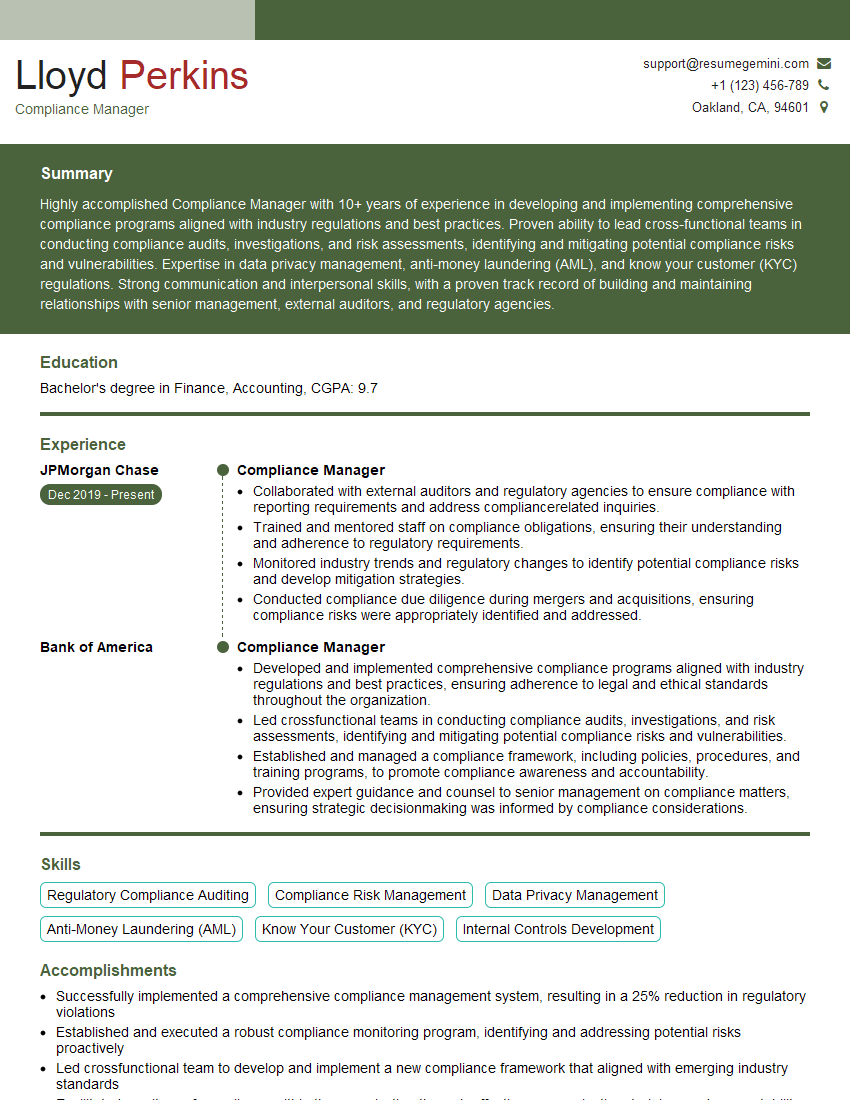
Compliance Manager Resume Sample
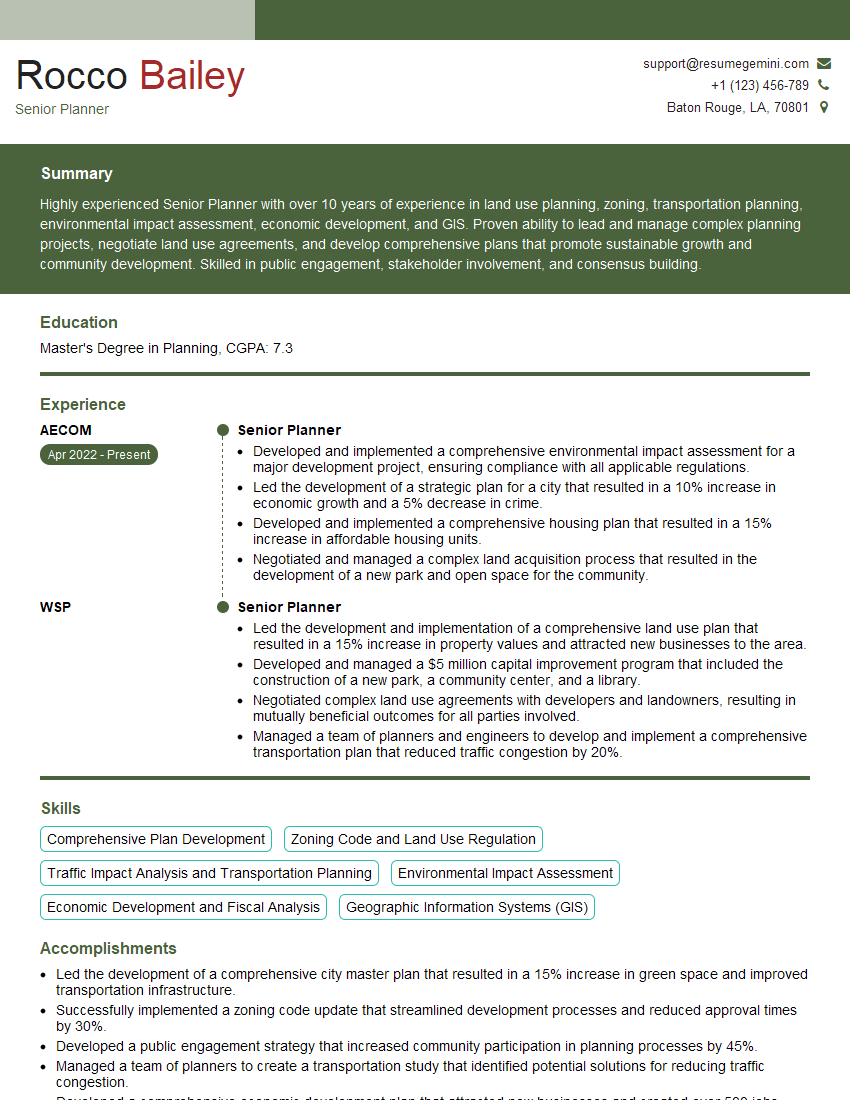
Senior Planner Resume Sample
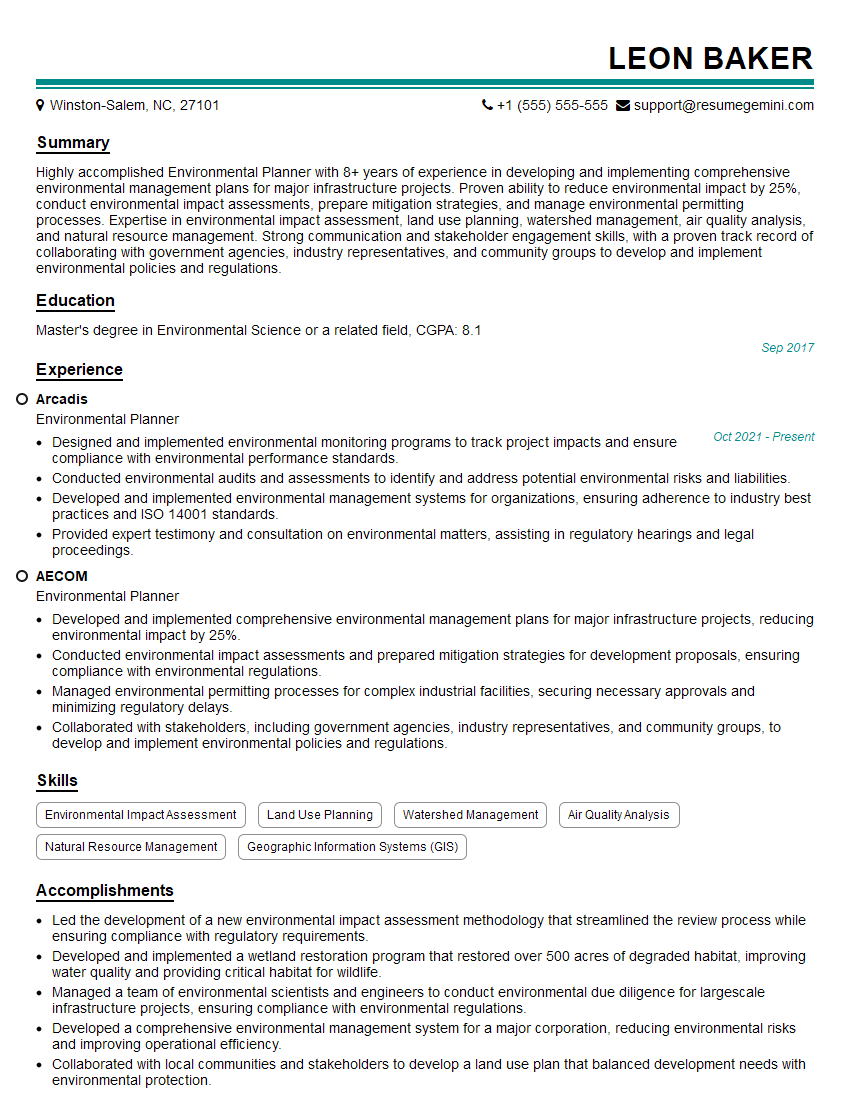
Environmental Planner Resume Sample
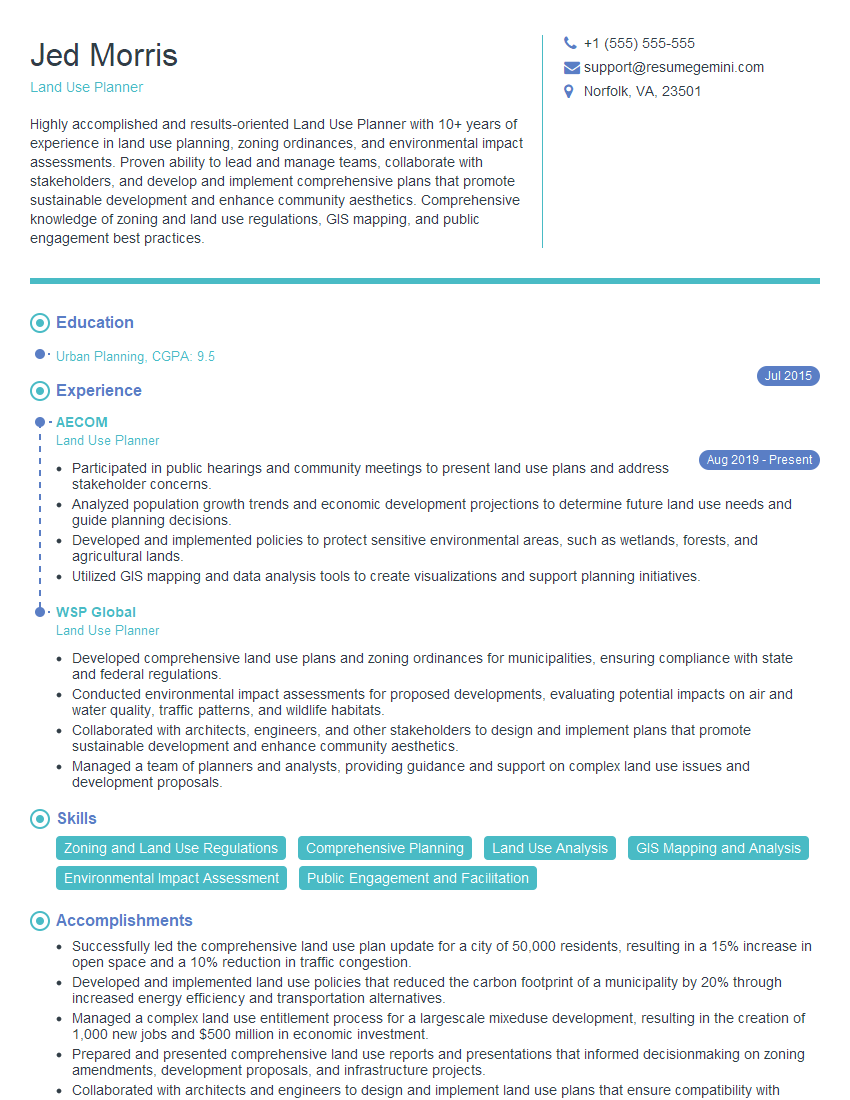
Land Use Planner Resume Sample
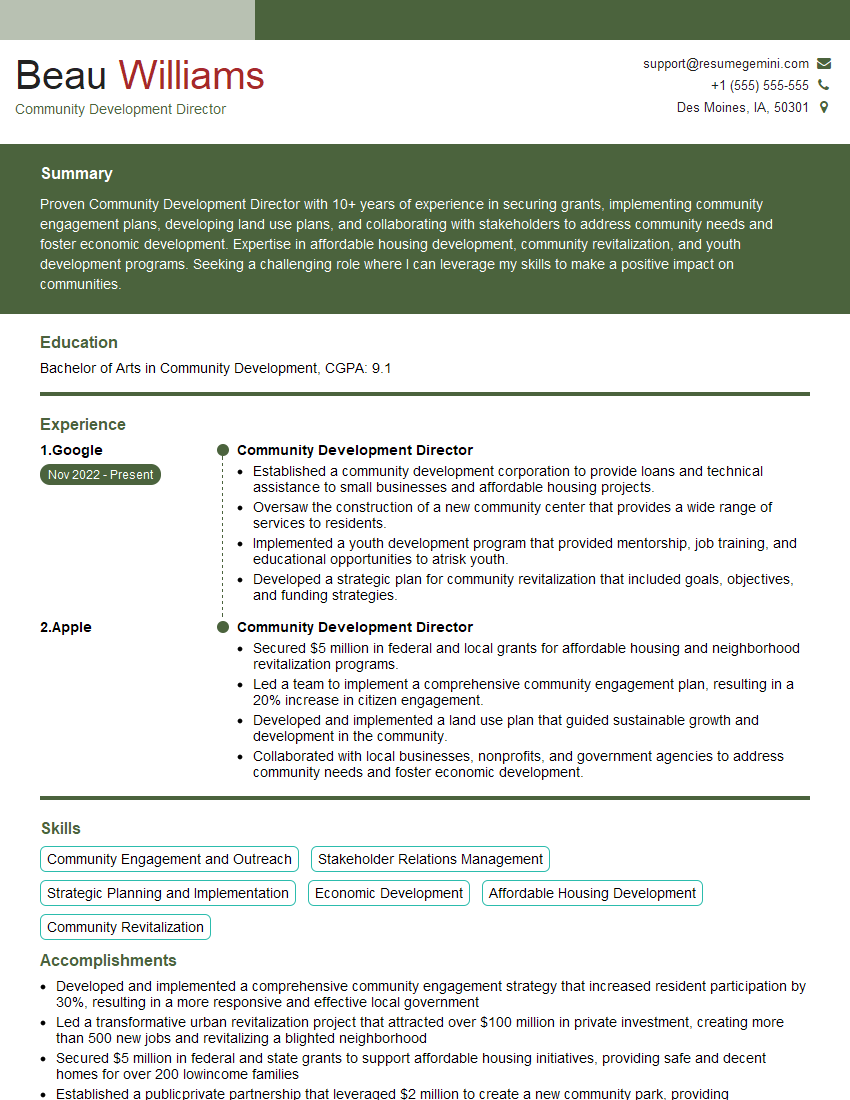
Community Development Director Resume Sample
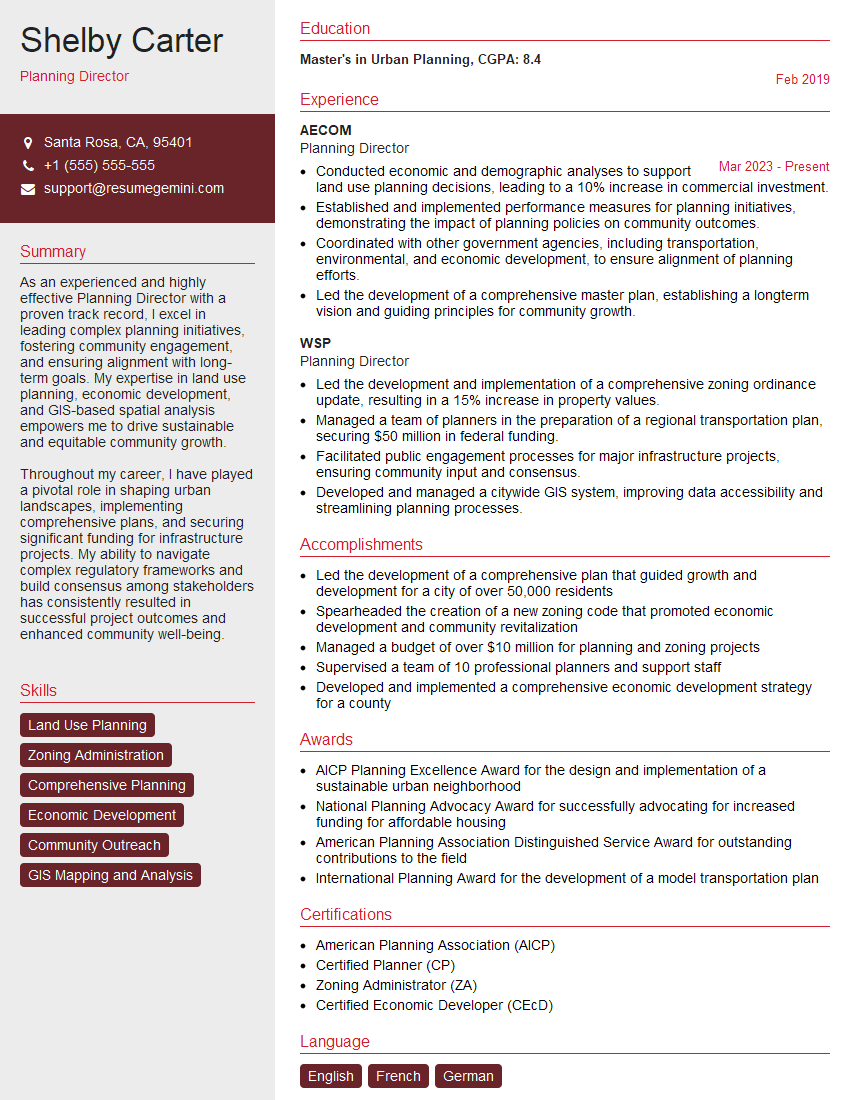
Planning Director Resume Sample
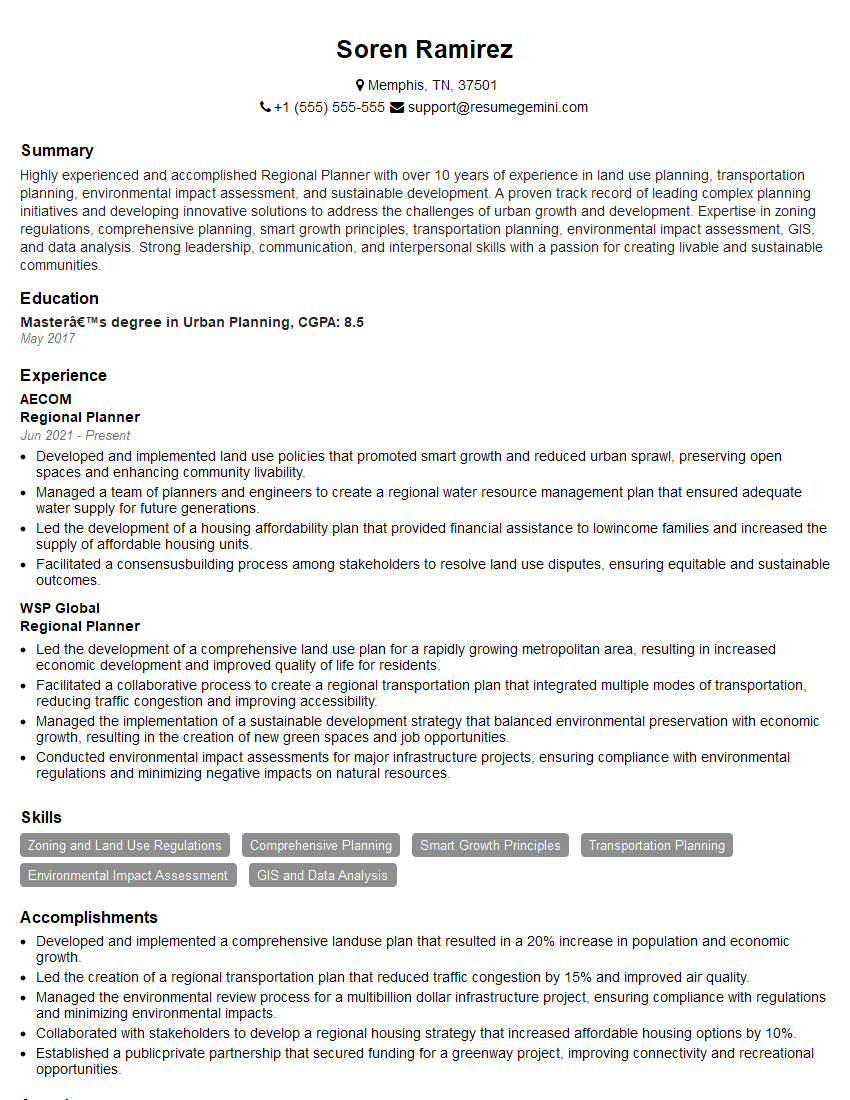
Regional Planner Resume Sample
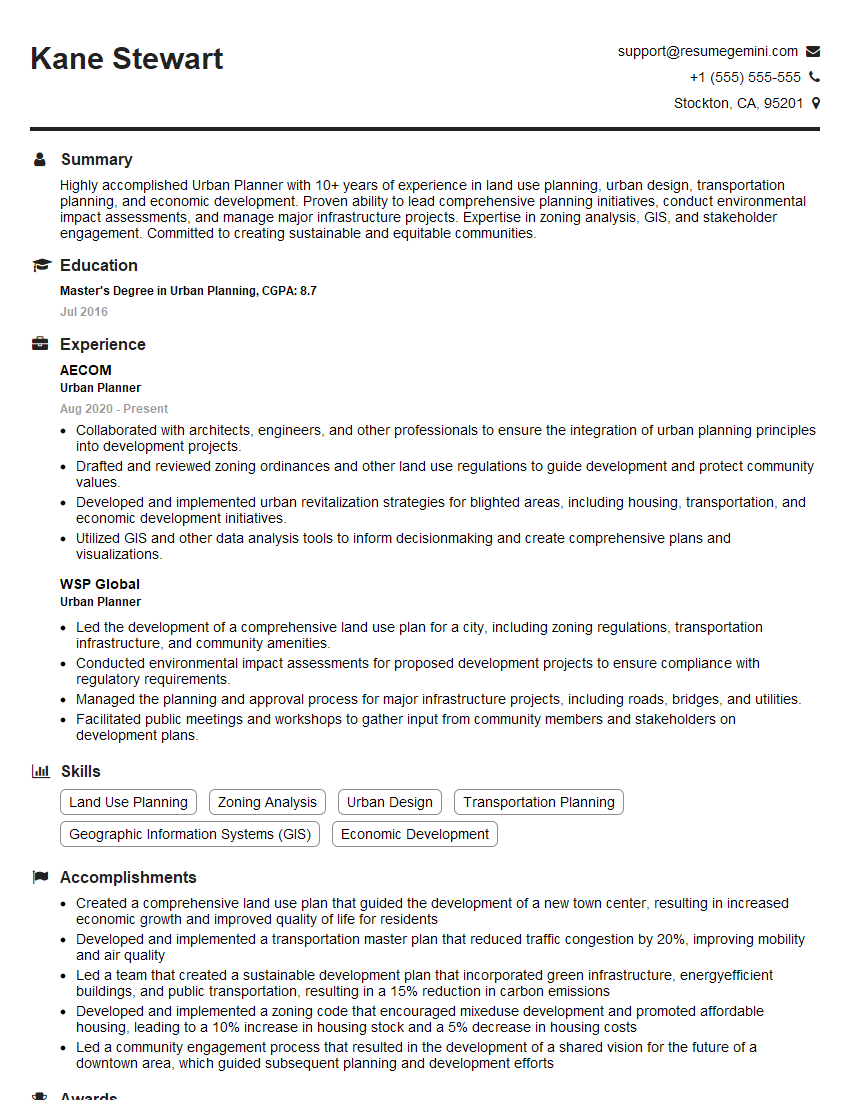
Urban Planner Resume Sample
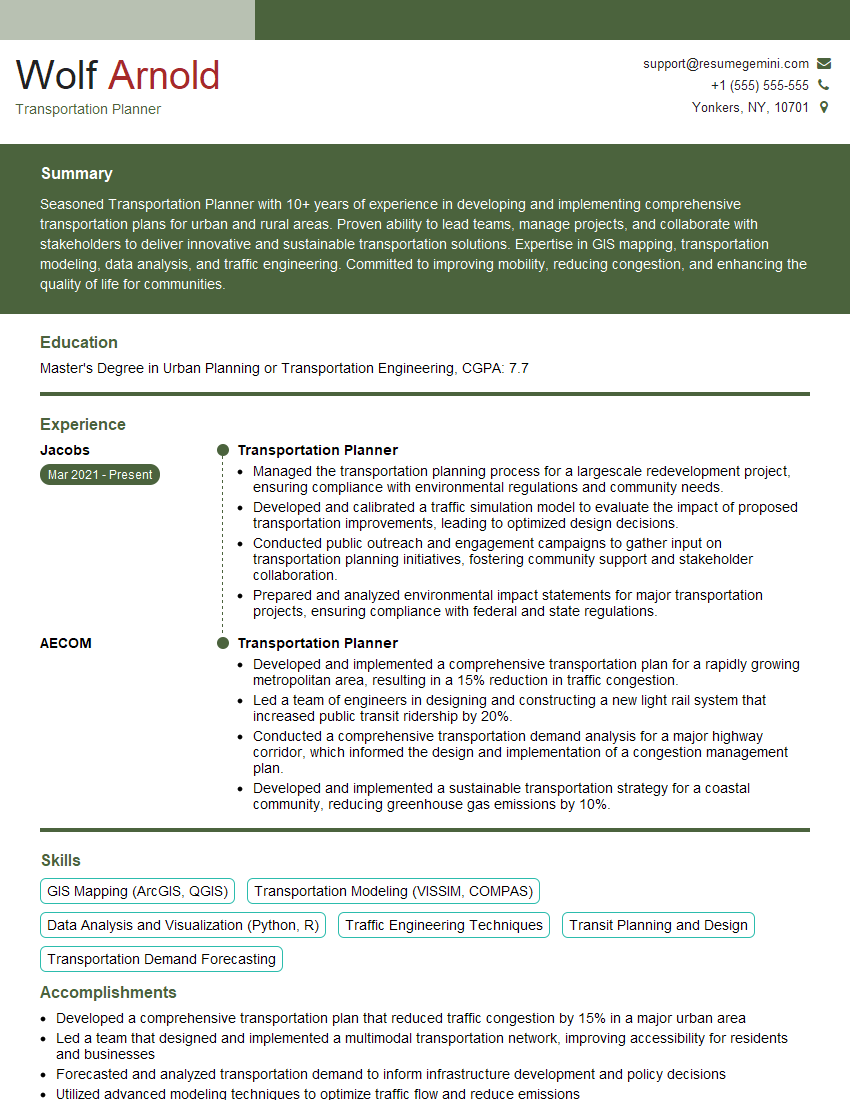
Transportation Planner Resume Sample
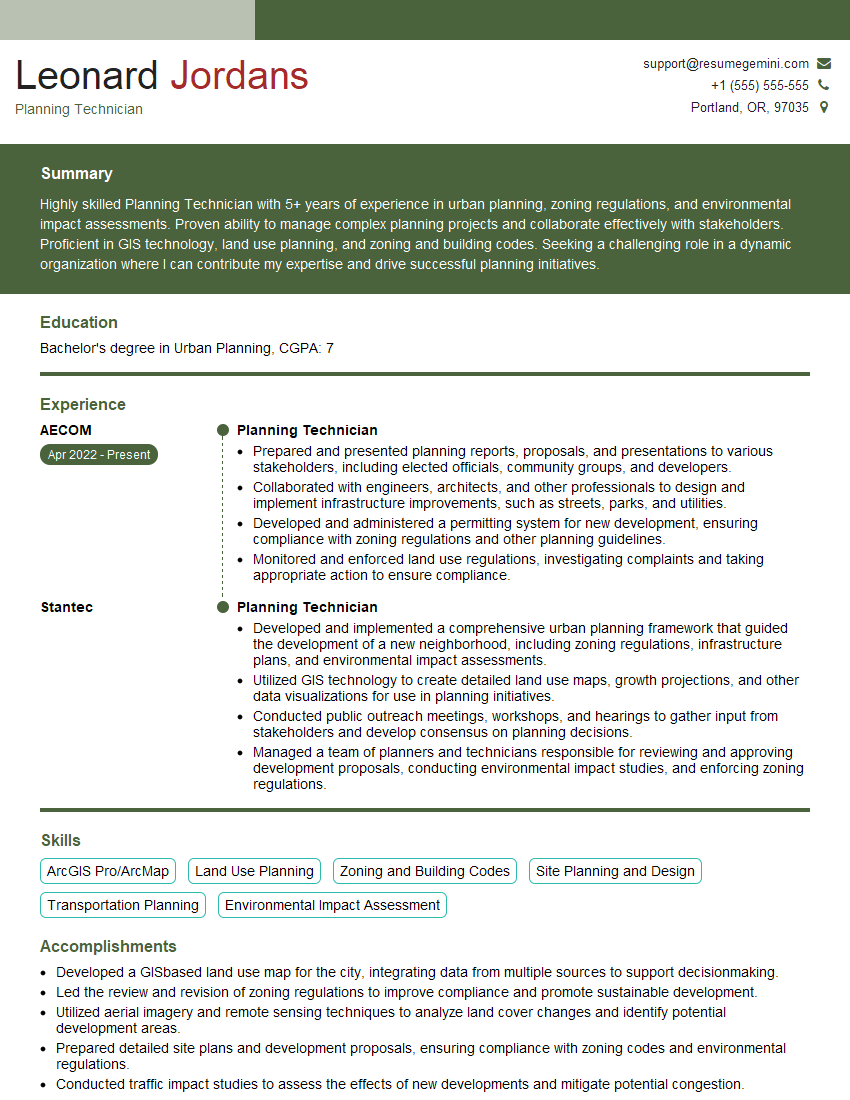
Planning Technician Resume Sample
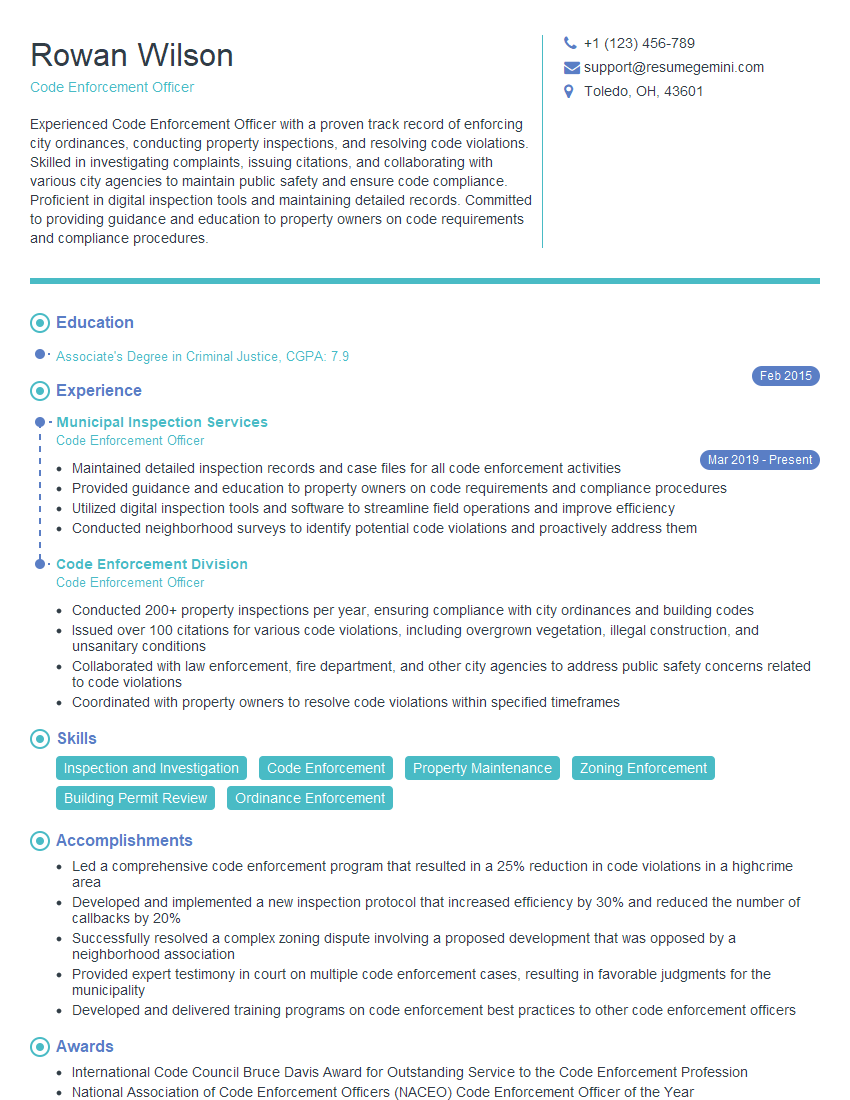
Code Enforcement Officer Resume Sample
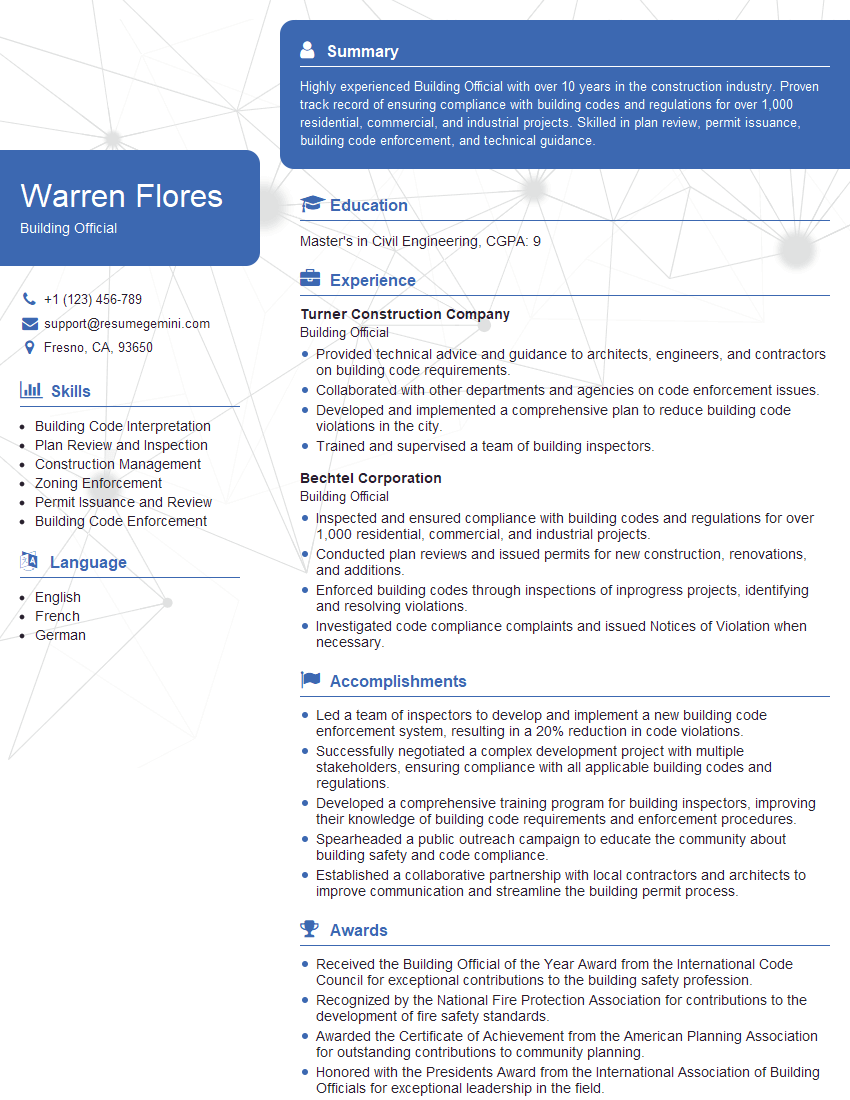
Building Official Resume Sample
Explore more articles
Users Rating of Our Blogs
Share Your Experience
We value your feedback! Please rate our content and share your thoughts (optional).
What Readers Say About Our Blog
To the interviewgemini.com Webmaster.
Very helpful and content specific questions to help prepare me for my interview!
Thank you
To the interviewgemini.com Webmaster.
This was kind of a unique content I found around the specialized skills. Very helpful questions and good detailed answers.
Very Helpful blog, thank you Interviewgemini team.